Electrical safety services are specialised inspections, testing, maintenance, and compliance activities that keep electrical systems safe, reliable, and legally compliant. They include system assessments, preventive maintenance, arc flash and shock risk studies, and emergency response planning. These services apply to offices, industrial plants, hospitals, data centres, public venues, and managed residential properties. They help organisations meet codes such as NEC and NFPA 70E, avoid failures, reduce liability, and determine which actions most effectively control electrical risk.
We provide professional electrical inspections, testing, and certification services to ensure your property is safe, compliant,
and fully protected.

A Residential EICR Certificate is a report that confirms the safety and condition of a home’s electrical installation after inspection. It helps identify faults the property is safe and compliant.

A Commercial EICR Certificate checks the electrical condition of business properties, identifying faults and risks. It ensures compliance and confirms the installation is safe for continued use.

Electrical fault finding identifies issues like power failures, faulty sockets, or wiring problems. It quickly locates faults to ensure safe and reliable electrical
performance.
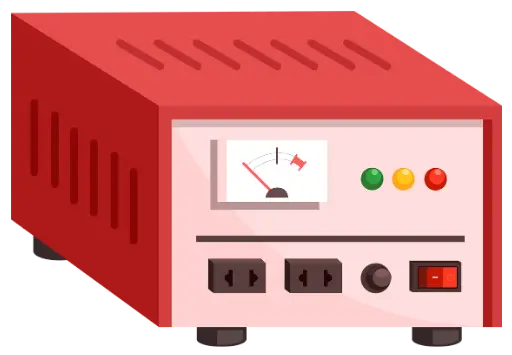
Consumer unit installation involves fitting a modern fuse board to improve electrical safety and circuit protection. It reduces risks of overloads, shocks, and fire hazards.

PAT testing checks portable electrical appliances to ensure they are safe to use. It identifies faults, damage, and risks to prevent electrical
accidents.
Electrical safety services include inspections, testing, maintenance, and compliance checks to ensure electrical systems are safe, reliable, and legally compliant.
Key Points:
Although every facility faces unique risks and constraints, building an effective electrical safety services programme follows a clear, structured progression. First, leadership defines scope, objectives, and legal obligations, then assigns roles and responsibilities, including a competent electrical safety coordinator.
Next, a thorough risk assessment is conducted, mapping all electrical assets, identifying hazards, and ranking risks by likelihood and consequence. From these findings, policies and procedures are drafted or updated to cover work on live systems, isolation and lockout/tagout, testing, maintenance, and documentation. The programme then specifies required training by role, ensuring qualified and instructed persons understand both technical and procedural requirements. Implementation follows, integrating safe systems of work into daily operations and scheduling inspections, preventive maintenance, and testing.
Performance indicators are set to track incidents, near-misses, and compliance. Finally, management establishes a review cycle, using incident data, audits, and regulatory changes to refine and continually improve the programme.
Facility electrical safety must comply with strict laws, codes, and industry standards to ensure safe operation, legal protection, and risk control across all electrical systems.
Key Points:
A section that provides quick answers to common queries.
They engage employees by inviting participation in risk assessments, training with real scenarios, recognising safe behaviours, and encouraging open reporting. This inclusive approach builds ownership, deepens understanding, and embeds safety as a shared, everyday responsibility among workers.
Indirect costs include injury-related absences, project delays, retraining needs, damaged equipment downtime, lowered employee morale, increased turnover, higher insurance premiums, investigation time, regulatory scrutiny, and disrupted workflows, all compounding to reduce overall productivity and organisational efficiency over time.
Electrical safety practices differ in regulatory strictness, enforcement culture, training standards, voltage systems, certification requirements, PPE expectations, and documentation. Some regions emphasise prescriptive codes, others performance-based risk assessment, creating varied implementation, compliance costs, and worker behaviours across international locations and industries.
Yes, consistent improvements in electrical safety can reduce insurance premiums over time. Insurers often reward lower risk with discounted rates, fewer exclusions, and better terms, especially when improvements are documented, audited, and supported by reduced incident and claim histories.
They should use clear signage, concise briefings upon arrival, and written instructions. Visual symbols, hazard maps, and colour codes support understanding. Regular reminders, multilingual materials, and designated contact persons help ensure visitors and contractors recognise, respect, and promptly report electrical hazards.