


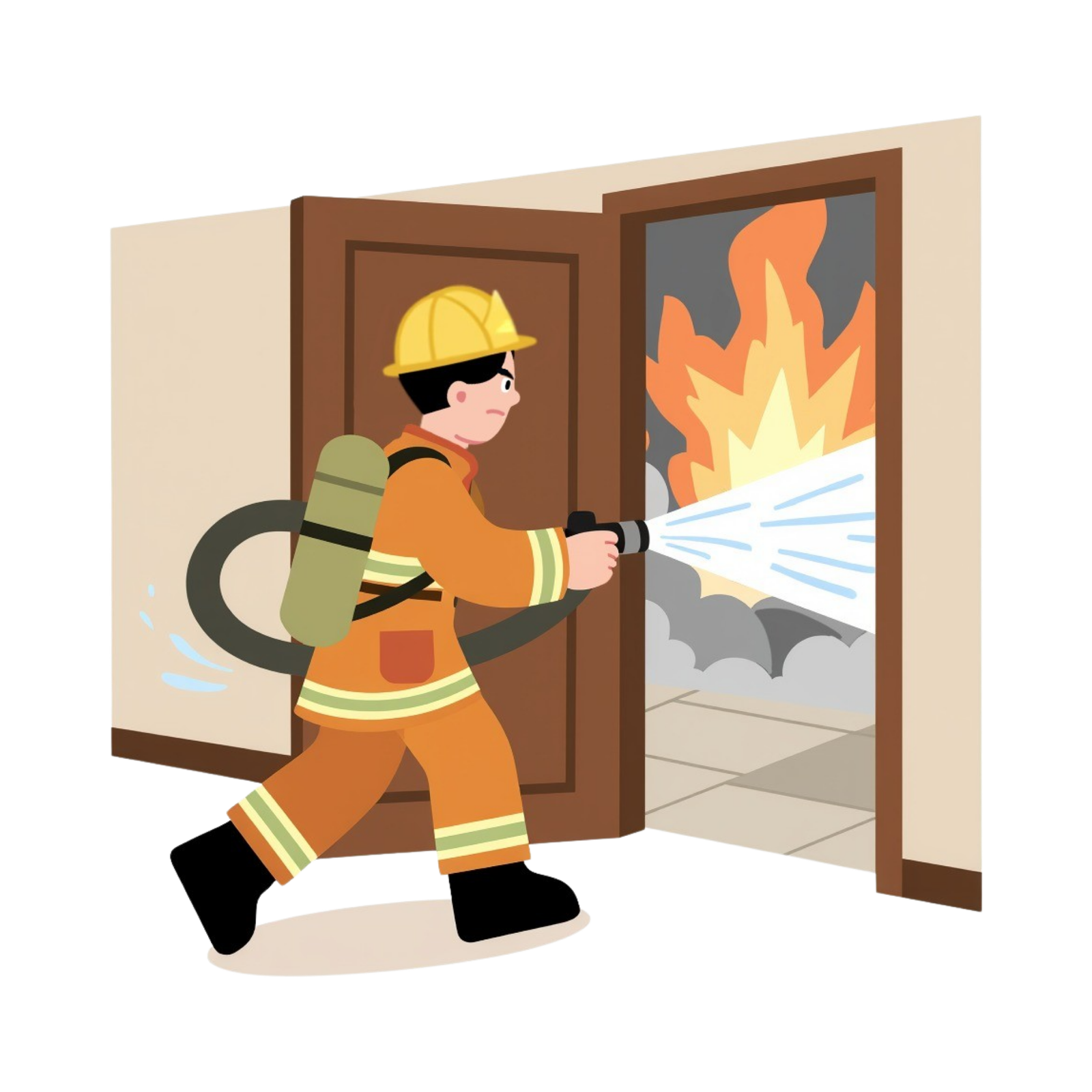

Fire Safety Services

Fire Protection & Safety Services

Fire safety services help UK businesses prevent fires, limit damage, and stay compliant. They include professional fire risk assessments, written fire strategies, and installation and maintenance of alarms, extinguishers, emergency lighting, and sprinkler systems. Providers translate complex regulations into practical actions, support staff training, and set up planned maintenance and inspections. Good services use structured hazard control and layered protection, so safety is not left to chance. The sections below explain how this works in practice. 

Complete Fire Safety Solutions

We provide a full range of fire safety services to help landlords, businesses, and property managers stay safe and compliant. From risk assessments to installations and certifications, our expert team ensures your property meets all required fire safety standards.

Fire Risk Assessment

A Fire Risk Assessment identifies fire hazards, assesses risks to people, and recommends safety measures to improve protection and ensure compliance.

Fire Alarm Installation

Fire Alarm Installation provides early fire detection by fitting reliable alarm systems to alert occupants quickly and improve overall safety.

Fire Extinguisher Servicing

Fire Extinguisher Servicing ensures extinguishers are fully functional, safe, and ready for use through regular inspection and maintenance.

Emergency Lighting Testing

Emergency Lighting Testing checks lighting systems to ensure they work during power failure, helping occupants safely exit the building.

Fire Door Certificate

A Fire Door Certificate confirms a fire door has been inspected and meets safety standards to help contain fire and smoke effectively.

How Fire Safety Services Help You Meet UK Regulations

Fire safety services help organisations comply with UK fire laws by turning complex regulations into practical actions such as risk assessments, safety planning, and ongoing compliance management.

Key Points:

Core Fire Safety Services for UK Businesses

Although every organisation faces unique risks, UK businesses typically rely on a common set of core fire safety services to achieve legal compliance and protect people and assets. These services usually begin with a formal fire risk assessment carried out by a competent person. The findings inform a written fire safety strategy, emergency plan, and clearly defined responsibilities.

Installation, commissioning, and periodic inspection of fire detection and alarm systems form another core service, alongside appropriate fire extinguishers, signage, and emergency lighting. Where required, businesses also depend on the design, installation, and maintenance of sprinkler or other fixed suppression systems.

Staff fire safety training, including the appointment and instruction of fire wardens, is a further essential service, ensuring procedures can be implemented effectively. Finally, routine maintenance, testing, and record-keeping across all systems and equipment support ongoing compliance with UK fire safety legislation and relevant British Standards.

Fire Safety Services Reduce Risk & Damage

Proactive fire safety services help prevent incidents, protect lives, and minimise damage through structured risk management.

Prevention Planning

Evaluate activities, equipment, and layouts to remove fire hazards and ignition risks.

Early Detection

Identify and respond to fires quickly before they escalate into major incidents.

Prepared Response

Train occupants for safe evacuation and effective emergency handling.

How Fire Safety Services Reduce Risk and Damage

Fire safety services reduce the chance of fire by identifying hazards, controlling risks, and preparing people to respond effectively. They turn potential dangers into managed, structured safety systems that protect life and property.

Fire safety specialists assess how a building is used, how equipment operates, and how materials are stored. They then create layered protection systems so that if one safety measure fails, others still help control the situation.

Competence

Qualified, certified, and experienced assessors and engineers.

Service Scope

Ability to design, install, and evaluate fire safety
systems.

Technical Expertise

Knowledge of fire alarms, detection, and British
Standards.

Clear Reporting

Transparent, well-documented, and easy-to-understand reports.
How to Choose a Fire Safety Provider

Selecting the right fire safety provider is essential for legal compliance and ensuring effective protection for your building and its occupants.

Need a Fire Safety Services Today?

Frequently Asked Questions

A section that provides quick answers to common queries.

Hidden costs include ongoing staff training, certification renewals, false-alarm charges, system testing and maintenance, equipment upgrades, business disruption during installations, documentation and compliance audits, emergency drills, liability insurance adjustments, and administrative time spent coordinating vendors and regulatory requirements.

They typically connect via standardised protocols, sharing sensor data, alarms, and device status with the central platform. This integration enables coordinated monitoring, automated responses, streamlined maintenance scheduling, real‑time reporting, and better compliance tracking within a unified building management interface.

They typically connect via standardised protocols, sharing sensor data, alarms, and device status with the central platform. This integration enables coordinated monitoring, automated responses, streamlined maintenance scheduling, real‑time reporting, and better compliance tracking within a unified building management interface.

Yes, they can. Plans are carefully adapted to respect historic fabric, using sensitive compartmentation, discreet detection, and evacuation strategies, while working closely with conservation officers to balance life safety requirements and strict heritage or listed building protections.

They should be reviewed immediately after major organisational changes, then at least annually. This guarantees new structures, processes, staff roles and occupancy patterns are fully reflected, maintaining compliance, clear responsibilities, effective evacuation procedures, and up‑to‑date risk controls.

Digital tools include cloud inspection platforms, asset-tracking systems, IoT sensor dashboards, and mobile checklist apps, helping organisations log tests, schedule maintenance, store certifications, analyse trends, automate reminders, and centralise records to support continuous compliance and risk monitoring.

Our Accreditation

Trusted certification bodies in London