
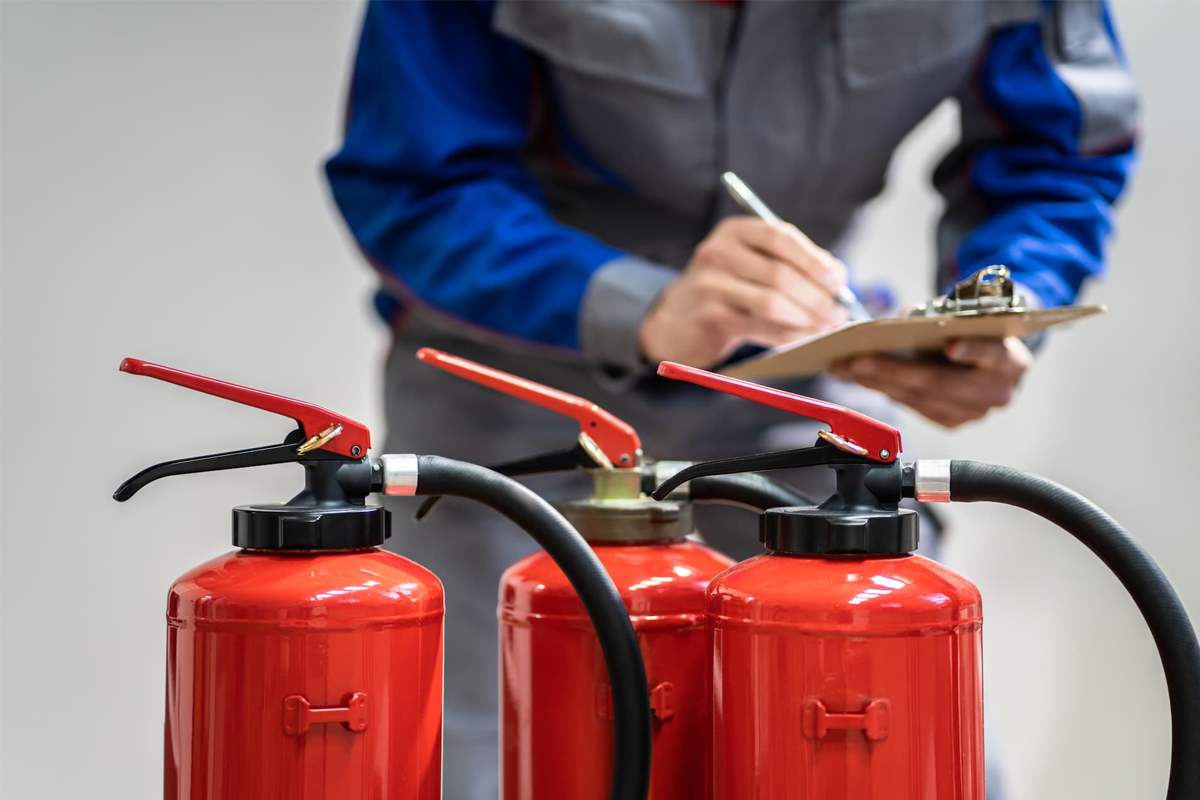
A Fire Safety Risk Assessment is a systematic approach to identifying and managing potential fire hazards in a property. It’s an essential requirement for ensuring the safety of occupants and complying with fire safety regulations. Whether you’re a business owner, landlord, or property manager, performing a fire safety risk assessment helps reduce the likelihood of a fire and ensures that emergency measures are in place.
In the UK, a fire risk assessment is required by law under the Regulatory Reform (Fire Safety) Order 2005 for all non-domestic properties and common areas of residential buildings. But how many steps make up the assessment process? Let’s break it down.
The first step is to identify all potential fire hazards in your property. This includes:
You should consider every room, storage area, and outdoor space to ensure no potential fire hazards are overlooked.
Next, assess who might be at risk in the event of a fire. This step is especially important in public, commercial, or multi-tenant buildings. You need to consider:
Assessing who is at risk helps you focus on the safety of the most vulnerable people and plan for their safe evacuation.
Once you’ve identified fire hazards and at-risk individuals, the next step is to evaluate the risks. This involves:
This step helps prioritize the most dangerous fire hazards so that you can address them first.
At this stage, it’s important to document all findings and decide on preventive measures to reduce the risk of fire. This could include:
By implementing preventive measures, you reduce the risk of fire and its potential damage.
Fire safety is an ongoing process, so it’s essential to regularly review and update your fire safety risk assessment. Consider:
Ensure your safety measures are always up-to-date, as new hazards or changes in building usage could affect your fire risk.
For the fire risk assessment to be effective, it’s essential to ensure that everyone on the property understands fire safety protocols. This step involves:
Training and information ensure that people are prepared to act quickly in case of a fire.
To summarize, a Fire Safety Risk Assessment consists of the following six key steps:
By following these six steps, you can ensure your property is safe from fire hazards, comply with legal requirements, and provide a safe environment for everyone inside. Regularly updating your fire risk assessment and implementing safety measures will significantly reduce the risk of fire and help protect your property and the people within it.