
Recent Posts
A Gas Safety Certificate is an essential document for landlords, property owners, and landlords who rent out residential or commercial properties. It ensures that gas appliances, fittings, and chimneys or flues in a property are safe and meet the necessary standards. In the UK, gas safety is governed by regulations set out by the Health and Safety Executive (HSE), and a valid certificate is required to ensure the safety of tenants.
Here’s a breakdown of Gas Safety Certificate requirements:
1. Who Needs a Gas Safety Certificate?
The following groups are legally required to have a Gas Safety Certificate:
For Landlords:
- Private Landlords: Any landlord renting out a residential property in the UK is required by law to have an annual gas safety inspection carried out on their property. The inspection checks all gas appliances, flues, and installations.
- Letting Agents: If you’re a letting agent managing rental properties on behalf of landlords, it’s your responsibility to ensure that all gas appliances in a rental property are inspected every year.
- Social Landlords: Housing associations and councils must also ensure that gas safety checks are done annually.
For Property Owners:
- Homeowners: Although homeowners are not legally required to have a Gas Safety Certificate unless they rent out the property, it’s advisable to get one to ensure safety and peace of mind.
2. What is Included in a Gas Safety Check?
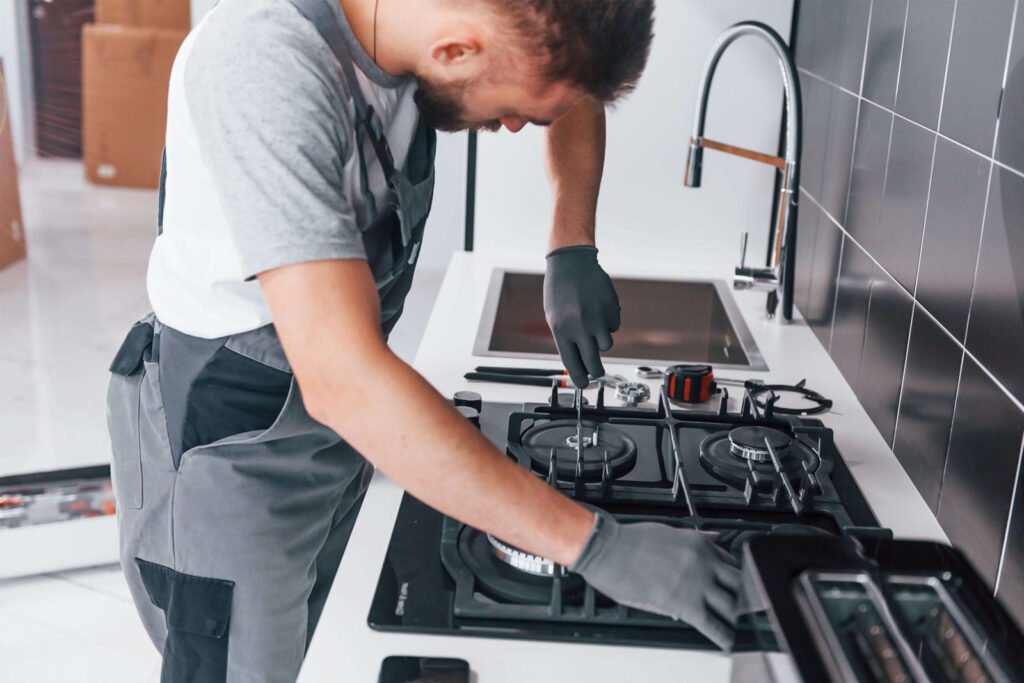
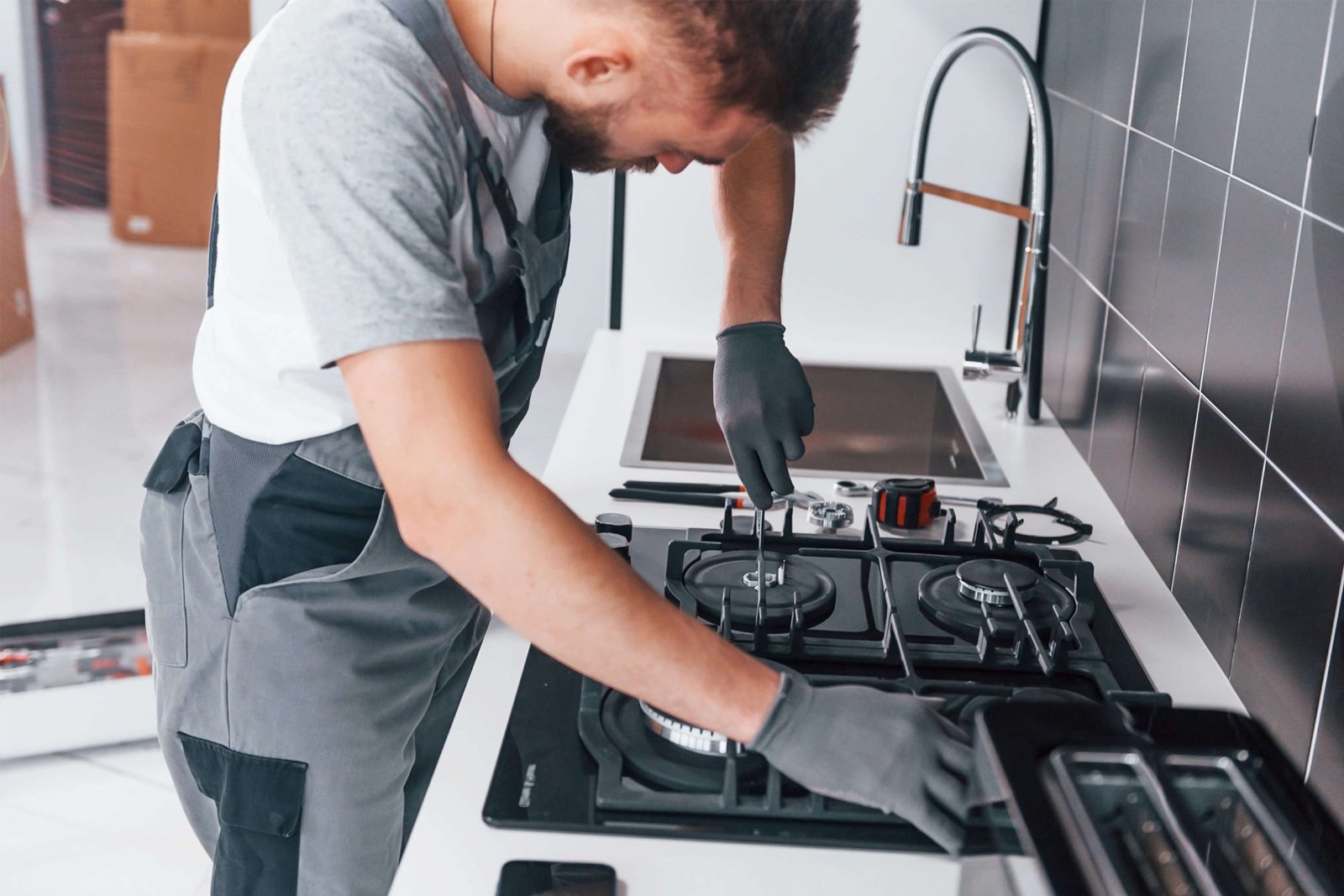
A Gas Safety Check is a thorough inspection of your property’s gas appliances, pipework, and flues. During the check, the gas engineer will:
- Inspect Gas Appliances: Ensure that all appliances (e.g., boilers, cookers, heaters) are functioning correctly, are properly installed, and are operating at the correct pressure.
- Check Gas Pipework: Inspect the condition of the gas supply pipework to ensure there are no leaks or signs of damage.
- Test for Carbon Monoxide: Check for any dangerous levels of carbon monoxide in the home, which can be a result of faulty appliances or blocked flues.
- Examine Flues and Vents: Ensure that the flue or venting system is free from blockages and is able to remove exhaust gases safely from the property.
- Record Results: The gas engineer will record the details of the inspection, including the condition of each appliance and any necessary repairs or maintenance.
3. Legal Requirements for Landlords
As a landlord, you must comply with the following regulations to maintain a valid Gas Safety Certificate:
- Annual Inspections: Gas safety checks must be carried out at least once a year by a Gas Safe registered engineer.
- Gas Safety Record: After the inspection, the engineer will provide a Gas Safety Record (also known as a Gas Safety Certificate). This document details the inspection results and confirms that the gas appliances meet the required safety standards.
- Providing the Certificate to Tenants: You are required to provide a copy of the Gas Safety Certificate to your tenants within 28 days of the inspection. If a new tenant moves in, the certificate should be provided before they take occupancy.
- Retain the Records: As a landlord, you must keep a copy of the gas safety record for at least two years.
4. Penalties for Non-Compliance
Failing to comply with gas safety regulations can lead to severe consequences:
- Fines: Landlords who do not comply with gas safety checks may face hefty fines, which can be as much as £6,000.
- Imprisonment: In more serious cases, non-compliance can result in imprisonment (up to 6 months).
- Liability for Tenant Safety: If a gas-related accident occurs and the property wasn’t properly inspected, the landlord could be held liable for damages or injuries to tenants.
5. How to Obtain a Gas Safety Certificate
To obtain a Gas Safety Certificate, you need to:
- Hire a Gas Safe Registered Engineer: Only a qualified engineer registered with the Gas Safe Register is legally allowed to carry out gas safety checks and issue the certificate.
- Schedule an Annual Inspection: The inspection should take place on a yearly basis, and the engineer will provide a written report after the check.
- Make Necessary Repairs: If any appliances fail the inspection or require repairs, they must be fixed before the certificate can be issued.
6. Conclusion
A Gas Safety Certificate is a legal requirement for landlords and property owners with gas appliances. Ensuring that your gas appliances and installations are regularly checked by a qualified Gas Safe engineer helps protect your tenants and ensures compliance with the law. Remember to schedule your annual gas safety checks, keep records, and always use a certified professional to carry out the inspections. This proactive approach not only keeps tenants safe but also helps avoid potential penalties.