
Gas safety during property renovations in the UK requires early risk assessment, proper checks, and clear legal compliance. Existing gas pipes, meters, appliances, flues, and ventilation can be damaged or compromised by structural changes, causing leaks or carbon monoxide hazards. A Gas Safe registered engineer should inspect, isolate, protect, disconnect or relocate appliances, then complete post‑works testing and certification. Homeowners and builders share responsibility for using qualified professionals and maintaining safe access, with further details explaining how to manage each stage safely.
Key Takeaways
- Plan renovations around existing gas systems, as disturbed pipework, flues or appliances can cause leaks, carbon monoxide risks and serious safety hazards.
- Arrange pre‑works gas safety checks by a Gas Safe registered engineer to assess pipework, appliances, flues and ventilation, and inform the project design.
- Isolate, clearly label and physically protect gas meters, pipework and appliances during demolition or structural changes to prevent accidental damage.
- Use only Gas Safe registered engineers to disconnect, relocate and recommission gas appliances, ensuring compliance with Gas Safety and Building Regulations.
- After work, all affected gas installations were tested and documented to confirm leak‑free pipework, correct combustion, safe flues and adequate ventilation.
Table of Contents
Why Gas Safety Matters During Renovations
During home renovations in the UK, gas safety becomes a critical concern because existing pipework, appliances, and ventilation systems can be disturbed or damaged. Any change to a property’s structure, layout, or services can alter how gas systems perform, so ignoring safety can quietly remove the freedom to live, work, and move without restrictions.
Renovation offers people the chance to reshape their space, but that freedom relies on invisible systems functioning correctly. When gas safety is treated as central rather than an afterthought, homeowners retain control over their environment instead of reacting to unexpected failures, delays, or legal complications.
Recognising why gas safety matters at this stage allows people to plan works, timelines, and budgets on their own terms. It supports a renovation process where decisions are driven by preference and design ambitions, not by last‑minute crises linked to overlooked gas installations or disrupted infrastructure.
Gas Risks to Consider Before Starting Work
Before any renovation begins, occupants and contractors must recognise how easily gas pipework and appliances can be damaged by drilling, structural changes, or heavy equipment.
Damage to Gas Pipework and Appliances
Renovation work can easily damage hidden gas pipework and connected appliances, creating immediate safety hazards and costly repairs. Drilling into floors, chasing walls, or adjusting layouts can puncture or stress copper and steel pipes, even when they appear safely buried. Once compromised, joints may leak slowly, releasing gas long before anyone notices a smell.
Appliances can also be disturbed by moving cupboards, boxing-in, or shifting worktops. Strain on connections, poorly refitted isolation valves, or kinked flexible hoses can all lead to leaks. Even simply disconnecting and reconnecting a hob or boiler without proper checks can undermine safety. Those planning renovations protect their independence best by insisting on pre-work surveys and post-work leak testing by a Gas Safe registered engineer.
Changes to Flues and Ventilation
Gas safety during building work is not only about protecting pipework and appliances; the way flues and ventilation are altered can be just as hazardous. When walls move, roofs change, or rooms are converted, existing flues can become blocked, shortened, enclosed, or disconnected from the open air they rely on.
Before starting structural changes, a competent Gas Safe engineer should review every affected appliance, chimney, and terminal. They should confirm flue routes, minimum clearances, and the permanent ventilation each appliance needs for safe combustion.
Homeowners often want airtight spaces, but sealing gaps, adding insulation, or replacing windows can trap combustion products and carbon monoxide. No flue should be boxed‑in or extended without design checks, appropriate materials, and a post‑work flue integrity test.
Gas Safety Checks Before Renovation Begins
Before any renovation work begins, a structured gas safety check of the existing pipework, meters and connections is essential.
Reviewing Existing Gas Installations
Thorough scrutiny of existing gas installations is essential before any renovation work begins, as hidden defects can turn routine building activity into a serious safety risk. A systematic review allows owners to shape their project without being constrained later by unexpected hazards or costly remedial work.
An independent Gas Safe registered engineer should inspect pipework routes, joints, isolation valves, regulators and meters, checking for corrosion, damage, improper sizing and non‑compliant materials. They will test for gas tightness, confirm adequate ventilation and assess whether existing installations meet current standards, even if they were legal when fitted.
Documented findings give renovators the freedom to redesign confidently, knowing where gas infrastructure is safe, where it demands upgrading, and where it must be protected from disturbance.
Identifying Appliances Affected by Building Work
A clear inventory of which gas appliances will be affected by the renovation is the foundation of a safe project plan. Before any wall is removed or pipe rerouted, the homeowner and contractor should map every boiler, hob, fire, and flue in relation to the proposed works. This allows freedom in design while keeping clear of hidden hazards.
| Appliance Type | Typical Location | Potential Impact |
| Boiler | Utility room/loft | Flue route, ventilation, access |
| Gas hob | Kitchen | Pipe rerouting, isolation valves |
| Gas fire | Lounge/bedroom | Chimney integrity, combustion air |
| Warm air unit | Hallway/cupboard | Duct changes, enclosure alterations |
Each identified appliance should then be flagged for pre-works safety checks by a Gas Safe registered engineer.
Protecting Gas Systems During Renovation
During renovation, protecting existing gas systems becomes a critical priority to prevent leaks, damage, and unsafe alterations.
Safe Handling of Gas Appliances
Protecting gas appliances and pipework during renovation starts with recognising how easily they can be damaged or disturbed by building work. Walls come down, floors are lifted, and heavy tools move through the space; any of these can crack joints, strain flues, or block ventilation. A safety‑minded approach preserves both personal freedom and the option to adapt the property later without hidden hazards.
Key practical measures include:
- Isolating and clearly labelling gas supplies to appliances before any demolition, drilling, or chasing begins.
- Shielding boilers, meters, and pipework with rigid barriers, not just dust sheets, to prevent impact and vibration damage.
- Ensuring temporary layouts never block combustion air, flue routes, or emergency access to gas controls and meters.
Coordinating Work With Gas Safe Engineers
Thoughtful coordination with a Gas Safe registered engineer keeps renovation plans aligned with legal duties and technical realities from the outset. During design, they map existing pipework, meters, and flues so structural changes, new openings, or extensions do not compromise safe clearances or ventilation. This protects the occupier’s freedom to redesign while keeping invisible risks controlled.
Regular check‑ins prevent ad‑hoc decisions by builders from boxing in pipe runs or blocking access to valves and appliances. A clear schedule limits disruption and avoids rushed, unsafe work.
| Stage | Key Engineer Role | Freedom Benefit |
| Pre‑design | Assess current gas system | Informed layout choices |
| Planning | Specify safe routes/locations | Fewer constraints later |
| During works | Inspect alterations, test integrity | Confidence to adapt plans |
| Handover | Final checks, certification | Assured compliance and flexibility |
Altering or Moving Gas Appliances
During renovation, there are times when gas appliances must be disconnected temporarily or even moved to a new location to accommodate structural changes.
When Appliances Need Disconnection
Although many home renovators focus on visible changes like cabinets or flooring, the moment a gas appliance is altered, moved, or temporarily taken out of service is often when the greatest risk arises. Disconnection becomes essential whenever work might strain, expose, or partially dismantle the gas supply. A detached view of common renovation scenarios shows that temporary shutdown is often the safest route to long‑term freedom of use.
Typical triggers for professional disconnection include:
- Structural changes that affect walls, floors, or units supporting the appliance or pipework.
- Any work near joints, valves, or flexible hoses where impact, drilling, or vibration could loosen fittings.
- Situations where appliances would obstruct trades, be covered by new finishes, or be left unused for extended periods.
Requirements for Appliance Relocation
Once an appliance has been safely disconnected for building work, the next question is whether it can be put back in the same place or lawfully moved to a new location. Relocation is never just a “lift and shift”; it must comply with the Gas Safety (Installation and Use) Regulations and relevant British Standards.
A Gas Safe registered engineer must confirm: pipework sizing and routing remain adequate; ventilation and combustion air are suitable; flue routes and terminal positions meet current rules; and clearances from combustibles and structural elements are maintained. Any new position must allow safe servicing, isolation, and emergency access. Engineers will pressure‑test altered pipework, recommission the appliance, and provide updated documentation so the property owner retains flexibility without sacrificing legal compliance or safety.
Post-Renovation Gas Safety Checks
After building work is complete, thorough post-renovation gas safety checks are essential to confirm that every appliance operates safely and efficiently.
Confirming Appliances Operate Safely
Confirming that gas appliances operate safely following renovation work is a critical step before fully reoccupying or using the property. It allows occupants to enjoy their space without hidden constraints, knowing combustion risks are under control. A competent Gas Safe registered engineer normally carries out these checks, using calibrated instruments rather than guesswork.
Key confirmations typically include:
- Burner flames: verification of flame stability, correct colour, and quiet operation, indicating proper combustion and minimal carbon monoxide risk.
- Ventilation and flues: confirmation that air supply and extraction are unobstructed, with effective removal of combustion products.
- Safety devices: testing of flame‑failure devices, thermostats, and automatic shut‑off controls to guarantee appliances safely shut down under fault conditions.
Documented test results provide clear evidence that appliances function safely and efficiently.
Checking Altered Gas Installations
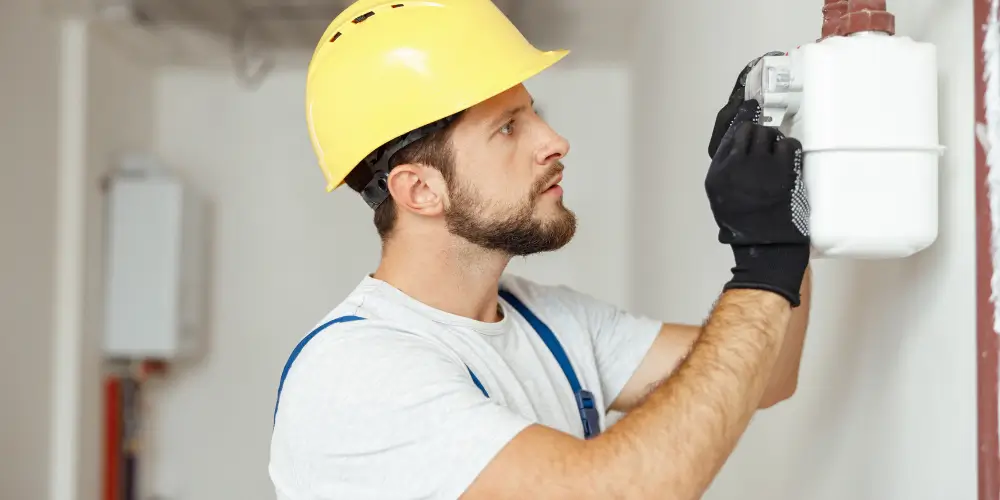
With appliance operation confirmed, attention must also be directed to any gas pipework or components that have been altered during the renovation. A Gas Safe registered engineer should visually trace all new or modified runs, checking materials, jointing methods, support spacing and accessibility of isolation valves.
Tightness testing of the complete installation is essential to verify there are no leaks, including at capped ends and hidden junctions. Where appliances have moved, the engineer should verify correct pipe sizing to prevent pressure drop that could restrict use.
Combustion air, ventilation routes and flue clearances must be rechecked, as new walls, cupboards or enclosures can unintentionally block escape paths. Written confirmation of test results gives occupants confidence to use their renewed space freely.
Responsibilities During Property Renovations
During any renovation involving gas systems, legal and practical responsibilities are shared between landlords or homeowners and the builders or contractors they appoint.
Landlord and Homeowner Duties
Many legal obligations fall on both landlords and homeowners when renovation work could affect gas appliances or pipework in the UK. While they may delegate tasks, they cannot delegate legal responsibility for safety or compliance. They retain control over how intrusive works are, which systems are altered, and how risks are managed.
Landlords and homeowners must guarantee:
- Legal compliance – Works must not breach the Gas Safety (Installation and Use) Regulations 1998, building regulations, or tenancy law, even when pursuing ambitious design changes.
- Protection of occupants and neighbours – They must prevent exposure to gas leaks, carbon monoxide, and unsafe disconnections during and after works.
- Documented safety checks – They arrange appropriate pre‑ and post‑renovation gas safety checks and retain records to demonstrate due diligence.
Builder and Contractor Responsibilities
Builder and contractor responsibilities in UK renovations extend well beyond structural work and aesthetics, particularly where gas systems are present. They must plan works so that existing gas appliances, flues, and meters remain safe, accessible, and adequately ventilated throughout the project. Any interference with pipework or appliances must be undertaken only by Gas Safe registered engineers, even when time or budget pressures tempt shortcuts.
| Responsibility Area | Key Obligation | Practical Example |
| Planning | Identify gas risks before work starts | Pre‑work survey of boilers, meters, and flues |
| Coordination | Use only Gas Safe registered engineers | Sub‑contracting boiler relocation |
| Site Management | Protect, test, and document gas safety | Capping redundant pipework, issuing certificates |
They are also expected to cooperate with landlords, homeowners, and engineers, ensuring informed decisions without compromising legal safety duties.
Common Gas Safety Mistakes During Refurbishment
Although refurbishment offers an ideal opportunity to modernise a property, it is also when some of the most serious gas safety mistakes occur. In the rush to redesign space, people sometimes treat gas infrastructure as an afterthought, assuming it can be “sorted later”. This attitude undermines both legal duties and personal freedom, because unsafe decisions can quickly limit how a space can actually be used.
Common errors typically fall into three areas:
- Unqualified work – Allowing general tradespeople to move, cap, or connect gas pipework or appliances instead of insisting on a Gas Safe registered engineer.
- Compromised ventilation – Blocking air bricks, boxing in boilers, or installing powerful extraction without checking combustion air requirements.
- Hidden or weakened pipework – Burying joints in walls or floors, cutting structural sections that support flues, or concealing isolation valves, making emergency shut‑off difficult.
Avoiding these mistakes preserves both safety and the freedom to enjoy the refurbished property without hidden risks.
Frequently Asked Questions
Can I Stay in the Property While Major Gas-Related Renovation Work Is Ongoing?
They usually shouldn’t stay during major gas works; safety overrides convenience. A Gas Safe engineer may insist on vacating, isolating supply, and ventilating. Returning is typically allowed only after full testing, certification, and confirmation all appliances function correctly.
Does My Home Insurance Cover Gas-Related Accidents During Renovation Projects?
Their home insurance may or may not cover gas-related accidents; it hinges on policy wording, disclosure of renovation works, and use of licensed engineers. They should confirm exclusions, notify the insurer beforehand, and obtain written confirmation.
How Do I Verify a Gas Engineer’s Registration and Qualifications Online?
They can verify a gas engineer online by searching the engineer’s name or Gas Safe registration number on the official Gas Safe Register website, then confirming photo ID, qualifications, expiry dates, and permitted appliance categories.
Are There Specific Gas Safety Rules for Listed or Conservation Area Properties?
Yes. Listed and conservation properties follow the same Gas Safety (Installation and Use) Regulations, but planning and heritage controls restrict alterations to flues, vents and external pipework, demanding early liaison with conservation officers and Gas Safe engineers.
What Gas Safety Documents Should I Keep for Future House Sales or Lettings?
They should keep gas safety certificates (CP12), installation and commissioning records, appliance manuals, Building Regulations compliance certificates, Gas Safe engineer invoices, records of remedial work, chimney/flue inspection reports, and any manufacturer warranties to prove safe, compliant freedom-ready systems.
Conclusion
In conclusion, gas safety during property renovations depends on careful planning, competent workmanship and clear responsibilities. By evaluating risks early, protecting existing gas systems, using Gas Safe registered engineers for any alterations, and arranging post-renovation checks, homeowners and contractors can greatly reduce the risk of leaks, carbon monoxide poisoning and explosions. A methodical, safety-first approach guarantees compliance with the law and helps safeguard both the property and everyone who lives or works within it.