
Restaurant gas safety requirements in the UK oblige owners to use Gas Safe registered engineers for installation, servicing, and annual CP42 certification. All fixed and portable gas appliances, boilers, and water heaters must undergo planned safety checks. Adequate ventilation, clear flues, and accessible emergency isolation valves are essential. Owners must keep detailed records, update risk assessments, train staff on shut-off and leak procedures, and address defects promptly. The full guide explains each duty and how to stay compliant confidently.
Key Takeaways
- UK restaurant owners must comply with gas safety law, using only Gas Safe registered engineers for installation, maintenance, and annual CP42 commercial catering gas safety certificates.
- All fixed and portable gas appliances, including ovens, fryers, tandoors, boilers, and water heaters, require planned, documented safety checks by a Gas Safe engineer.
- Adequate ventilation, correctly sized and clear flues, and accessible emergency gas isolation valves are essential to prevent fire, explosion, and fume risks.
- Keep detailed records of gas safety reports, certificates, repairs, and daily/weekly in-house checks to prove compliance and satisfy regulators and insurers.
- Train staff regularly on safe operation, leak indicators, emergency shut-off procedures, and the “stop, isolate, call engineer” protocol for any suspected gas issue.
Table of Contents
Legal Gas Safety Duties for Restaurant Owners
Although gas is indispensable to most commercial kitchens, restaurant owners carry strict legal duties to manage its risks. In the UK, gas safety law does not treat compliance as optional; it requires owners to control hazards so staff and guests can enjoy a safe, uninterrupted operation. Core duties include guaranteeing that any work on gas pipework, flues, or safety devices is carried out only by Gas Safe registered engineers.
Owners must arrange regular safety checks, keep written records, and act promptly on any defect identified. They must maintain effective ventilation, guarantee safe access to emergency isolation valves, and display clear instructions so staff can shut off gas quickly if needed. Risk assessments must be reviewed whenever equipment, layout, or menu changes. Ultimately, the law demands that owners prevent gas leaks, explosions, and carbon monoxide exposure through proactive management, not after‑the‑fact fixes.
Commercial Kitchen Gas Appliances Covered
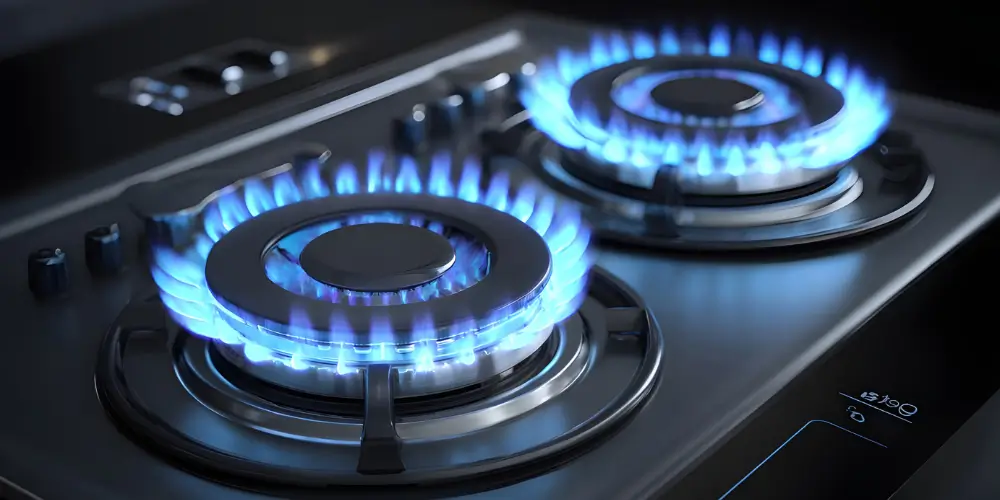
A compliant gas safety regime in a restaurant applies to all fixed and portable commercial kitchen gas appliances, not just the main cookline. UK owners are responsible for any gas-fired unit that can spark, heat, or burn, regardless of size or frequency of use.
This typically includes ranges, ovens, salamander grills, chargrills, fryers, solid-top stoves, and combination or convection ovens. It also extends to gas-fired brat pans, pasta boilers, bain-maries, hot cupboards with gas burners, and specialist equipment such as tandoor ovens, rotisseries, and stone-deck pizza ovens.
Portable or movable appliances are equally in scope: mobile wok burners, countertop grills, hotplates, crepe plates, and any gas appliance on castors or quick-release connections. Gas-fired water heaters and boilers serving the kitchen are also covered. If it burns gas within or for the kitchen operation, it falls under the restaurant’s gas safety responsibilities.
Gas Safety Checks for Restaurant Equipment
Every gas appliance in a restaurant requires planned, documented safety checks to verify it is operating correctly and does not present a risk of fire, explosion, or carbon monoxide poisoning. Regular checks give owners the confidence to run their kitchens at full pace without hidden hazards or surprise shutdowns.
In the UK, safe operation demands that inspection and testing be carried out by a Gas Safe registered engineer competent in commercial catering. They verify that equipment lights reliably, burns with a stable flame, and shuts down correctly. They also validate safety devices, interlocks, and controls function as intended.
Engineers typically perform combustion analysis, check flue performance where relevant, and confirm appliances are correctly installed and sited for safe use. Findings are recorded in a gas safety report, with any defects classified and prioritised. Owners then decide promptly how to act, keeping both compliance and operational freedom intact.
Inspecting Gas Pipework and Connections
Routine scrutiny of gas pipework, connections, and kitchen ventilation is fundamental to preventing leaks, incomplete combustion, and the build‑up of hazardous fumes. Owners who want a smooth‑running, low‑stress kitchen recognise that disciplined inspection is what keeps regulators satisfied and teams free to focus on service, not emergencies. Gas pipework should be visually checked for corrosion, mechanical damage, and signs of past leaks such as staining or odour. All unions, flexible hoses, quick‑release couplings, and isolation valves must be tight, correctly supported, and accessible.
Ventilation assessments confirm that airflow supports safe combustion and comfortable working temperatures. Key elements include:
- Clear, unobstructed canopy intakes
- Adequate make‑up air to match extraction rates
- Balanced airflow preventing draughts and flame disturbance
- Regular cleaning of filters and internal duct surfaces
Flue Safety and Extraction System Safety Checks
While ventilation supports safe combustion within the kitchen, flue and extraction systems determine how effectively combustion products and cooking fumes are removed from the building. UK restaurant owners who want the freedom to run busy services without interruption must guarantee these systems function efficiently and reliably.
Routine safety checks focus on confirming that flues are continuous, correctly sized, and free from corrosion, blockages, or unsealed joints that could leak combustion products back into the workspace. Fans, ductwork, and canopies must provide adequate capture and removal of fumes, with sufficient makeup air to prevent negative pressure that could pull gases into the kitchen.
An engineer typically verifies flue integrity, terminal locations, and airflow performance against manufacturer instructions and relevant standards. Regular cleaning of grease-laden ducting and filters also reduces fire risk, supports strong extraction, and helps maintain a safe, unrestricted working environment for staff and customers.
Gas Safety Record and Documentation
Although gas systems are often treated as purely technical assets, formal records and documentation are central to legal compliance and day‑to‑day safety in UK restaurants. A Gas Safety Record is not just paperwork; it is the legal proof that appliances, pipework and ventilation have been checked by a Gas Safe registered engineer and found fit for use at the time of inspection.
To protect both operational freedom and staff safety, owners typically maintain:
- Evidence of the engineer’s Gas Safe registration, including licence number and scope of work
- Dated Gas Safety Records detailing appliances inspected, results, and any advisory notes
- A log of remedial actions, with dates, invoices, and confirmation of completion
- Written policies describing how often checks occur and where documents are stored
Keeping these documents accessible, physically on‑site and digitally backed up, allows owners to demonstrate compliance instantly, avoid enforcement delays, and make informed decisions about equipment, upgrades, and risk.
Common Issues Found During Inspections
Many commercial gas safety inspections in UK restaurants reveal a familiar pattern of problems that, if left unaddressed, can escalate quickly into serious hazards or enforcement action. Inspectors frequently encounter undocumented alterations to pipework, appliances installed by non‑registered fitters, and incomplete or missing ventilation. These issues often stem from owners prioritising speed or cost over compliance, unintentionally trading operational freedom for significant risk.
Blocked or poorly maintained extraction systems are another recurring concern, especially where filters are rarely cleaned. Inspectors also find flexible hoses past their expiry date, damaged seals, and appliances not securely fixed, increasing the chance of leaks or instability.
A further pattern involves inadequate combustion air, leading to high carbon monoxide readings, and emergency isolation valves that are inaccessible or incorrectly labelled. Finally, gaps in staff awareness such as not knowing how to shut off gas or recognise leak indicators regularly feature in inspection reports.
Repairs Required After Gas Safety Failures
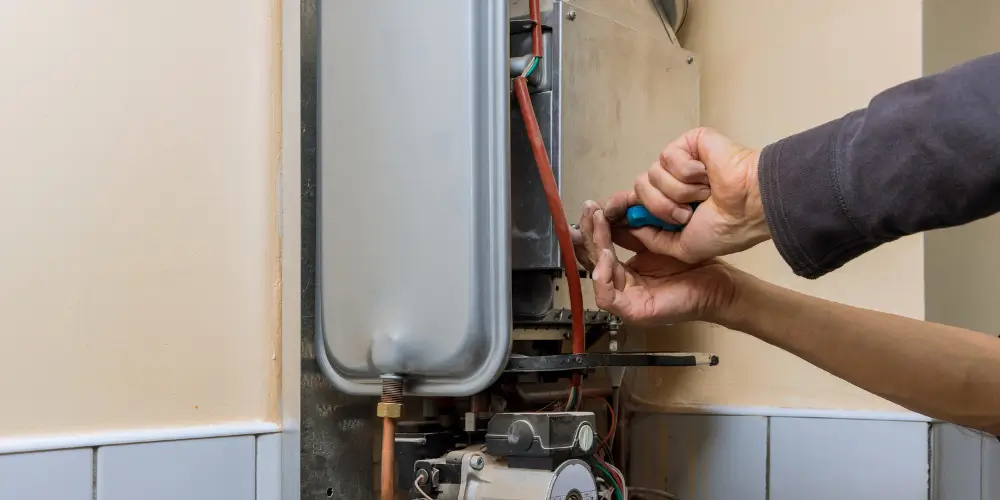
Gas safety failures identified during inspection do not end with a warning notice; they trigger specific repair obligations that must be addressed within set timeframes to restore compliance. Once a defect is classified, immediately Dangerous (ID), At Risk (AR), or Not to Current Standards (NCS) the responsible person must decide quickly: shut down, repair, or replace. Freedom to operate is preserved only by acting decisively and documenting every step.
Typically, urgent repair outcomes include:
- Isolating and capping unsafe appliances or pipework until a Gas Safe registered engineer completes remedial work.
- Replacing faulty components such as regulators, valves, flexible hoses, or flue sections with certified parts.
- Upgrading ventilation and extraction where combustion air or fume removal is inadequate for current equipment loads.
- Reconfiguring layouts or pipe routes to remove strain, heat exposure, or mechanical damage risks.
On completion, a clear record of defects, repairs, and test results supports uninterrupted trading and future inspections.
Maintaining Restaurant Gas Safety Compliance
Sustaining gas safety in a restaurant depends on turning one-off inspections into a structured, ongoing compliance regime. Owners who value operational freedom recognise that predictable, well-managed risk is what keeps regulators, insurers, and staff off their backs.
Compliance starts with a written gas safety policy, tied to clear responsibilities: who books Gas Safe engineers, who logs defects, who signs off remedial work. Annual CP42 commercial catering gas safety certificates are scheduled well in advance, with reminders and fallback dates.
Daily and weekly in-house checks, flame quality, ventilation, emergency shut-off access, visible damage, odours, are logged quickly, not bureaucratically. Any concern triggers a “stop, isolate, call engineer” rule. Training is refreshed so staff know how to light, isolate, and ventilate safely, and how to act if alarms sound. Records of certificates, invoices, and checklists are stored centrally, proving compliance and preserving the restaurant’s licence to operate freely.
Frequently Asked Questions
Can I Operate During a Gas Safety Inspection, or Must the Kitchen Close?
They may often keep operating, but gas appliances under inspection or deemed unsafe must stop immediately. An engineer’s instructions govern. If safety is uncertain or leaks suspected, the entire kitchen should close until the system is certified safe.
How Do Gas Safety Requirements Differ for Food Trucks Versus Fixed Restaurants?
Gas safety rules differ mainly in mobility, ventilation, and fuel storage. Food trucks face stricter requirements for cylinder securing, airflow, and on‑board emergency shut‑offs, while fixed restaurants focus on permanent pipework, fixed appliances, and building-integrated extraction.
What Staff Gas Safety Training Is Recommended Beyond Basic Health and Safety Induction?
They should receive hands-on training in emergency gas isolation, leak recognition, ventilation checks, safe appliance use, cylinder handling, combustion awareness, alarm testing, evacuation drills, incident reporting, and regular refreshers, ideally led by a Gas Safe engineer.
How Should I Communicate Gas Safety Procedures to Non‑English‑Speaking Kitchen Staff?
They should use translated, jargon‑free instructions, visual step‑by‑step posters, colour‑coded labels, brief demonstrations, and bilingual staff champions, reinforcing key shutdown and emergency actions through regular walk‑throughs, toolbox talks, and simple confirmation checklists requiring staff to show, not just say, understanding.
Are There Tax Benefits or Grants for Upgrading to Safer Commercial Gas Equipment?
Yes. In the UK, safer commercial gas upgrades can qualify for capital allowances, possible Enhanced Capital Allowances, local authority grants, and energy‑efficiency schemes. Owners should consult an accountant and council business‑support teams to maximise financial freedom.
Conclusion
In conclusion, restaurant gas safety requirements in the UK depend on clear legal compliance, correctly installed and maintained appliances, and robust ventilation and flue systems. Regular gas safety checks, accurate documentation, and prompt repairs following any failures are essential to protect staff, customers, and the business. By understanding common issues and implementing a proactive maintenance regime, restaurant owners can guarantee ongoing compliance, minimise operational disruptions, and create a safer, more reliable commercial kitchen environment.