
Why gas leaks are dangerous: Gas leaks are dangerous because they can rapidly turn a property into a life‑threatening environment. Escaping gas displaces oxygen and can cause headaches, dizziness, confusion, or unconsciousness. Faulty appliances may also produce carbon monoxide, a deadly, invisible gas. Leaked gas can ignite easily, creating a serious fire or explosion risk, especially in enclosed spaces. UK landlords must manage these hazards through strict gas safety checks, maintenance, and clear emergency procedures, which are explained in more depth ahead.
Key Takeaways
- Gas leaks can cause oxygen deprivation and carbon monoxide exposure, leading to headaches, confusion, collapse, long-term health damage, or death.
- Escaping gas forms flammable mixtures; a small spark from switches or appliances can trigger fires or explosions that destroy property and endanger lives.
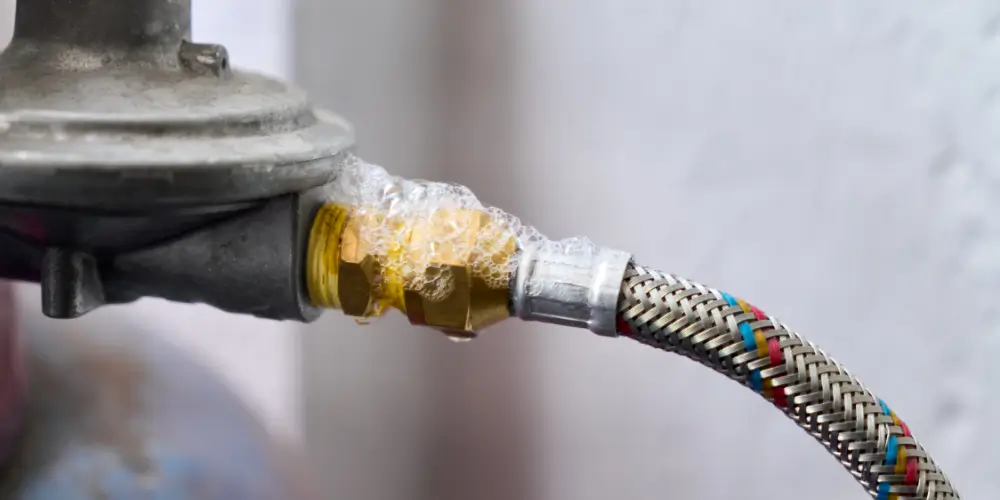
- Common leak sources include damaged pipework, faulty boilers or cookers, and deteriorated hoses or valves, especially in older or poorly maintained installations.
- Warning signs include a sulphuric or “rotten egg” smell, hissing at joints, discoloured materials, and occupants feeling unwell but improving when outside.
- UK landlords must arrange annual Gas Safe checks, maintain safe appliances, keep records, and ensure tenants can access the gas meter and emergency control valve.
Table of Contents
Why Are Gas Leaks Dangerous?
Although gas is an essential energy source in rental properties, a leak turns it into a serious hazard that can threaten both life and property. For landlords who value autonomy and long‑term income, the danger lies in how swiftly a minor fault can undermine both tenant safety and legal standing.
Gas leaks can displace oxygen, leading to headaches, dizziness, confusion, or loss of consciousness. In enclosed spaces, this can quietly incapacitate occupants before they realise anything is wrong. Combustion faults can also produce carbon monoxide, a colourless, odourless gas that interferes with the blood’s ability to carry oxygen, causing serious injury or death.
Beyond health impacts, gas leaks invite regulatory scrutiny, penalties, and potential criminal liability if statutory duties are ignored. By understanding these risks, landlords retain control over their properties, protect their tenants’ right to a safe home, and safeguard their own financial and personal freedom.
How Gas Leaks Can Cause Fire and Explosions
Beyond the health risks and legal exposure, gas leaks also create ideal conditions for fire and explosions. When gas escapes into a property, it mixes with air; once the concentration reaches a flammable range, even a tiny ignition source can trigger combustion. A light switch, boiler spark, cigarette, or static discharge may be enough.
Natural gas and LPG are highly combustible. In enclosed spaces such as flats, stairwells, or lofts, gas can accumulate unnoticed, forming an explosive atmosphere. If ignited, the rapid expansion of burning gas can blow out windows, collapse walls, and spread fire to neighbouring properties, restricting occupants’ ability to exit freely.
For landlords who value autonomy over their time and investments, preventing this scenario is critical. Properly maintained appliances, secure pipework, and swift response to any suspected leak are essential to avoid catastrophic property damage and life‑threatening explosions that can occur without warning.
Health Effects of Escaping Gas
Even comparatively small gas leaks can have serious health implications for occupants and visitors. Escaping mains gas displaces oxygen in the air, making it harder for the body to function properly. Initial symptoms typically include headaches, dizziness, unusual fatigue, and impaired concentration, effects that quietly limit a person’s ability to think clearly and act freely within their own home. At higher concentrations, occupants may experience nausea, loss of coordination, and, ultimately, collapse.
For individuals with asthma, COPD, or other respiratory conditions, reduced oxygen and irritant effects can aggravate breathing difficulties and trigger attacks. Prolonged low‑level exposure may lead to persistent coughing, eye and throat irritation, and disturbed sleep, undermining wellbeing and independence.
In severe leaks, rapid oxygen depletion can cause unconsciousness and, if exposure continues, can be fatal. These health risks highlight why landlords must guarantee gas systems are regularly checked, promptly repaired, and never dismissed as minor issues.
Carbon Monoxide Risk From Faulty Gas Appliances
While escaping mains gas carries clear health risks, the greater threat often comes from carbon monoxide (CO) produced by faulty or poorly maintained gas appliances. Unlike mains gas, CO is odourless, colourless, and non-irritating, so it robs occupants of the ability to detect danger for themselves. This makes timely, informed landlord action essential to safeguard tenants’ freedom to live safely and independently.
CO is produced when gas appliances, such as boilers, cookers, and fires, burn fuel without enough oxygen or efficient combustion. Even relatively low levels can cause headaches, dizziness, confusion, and flu‑like symptoms that people may dismiss or misattribute. Higher concentrations or prolonged exposure can lead quickly to collapse, unconsciousness, and death.
Because occupants cannot rely on their senses, landlords must rely on competent installation, regular servicing, and suitable CO detectors to prevent an avoidable, invisible threat to life and long‑term health.
How Gas Can Build Up Indoors
Gas can accumulate indoors when it escapes faster than it can disperse or be safely vented away. In enclosed rooms, gas spreads to fill available space, concentrating first at ceiling level for lighter‑than‑air gases, or closer to the floor for heavier mixtures. Without effective ventilation, this movement continues until the air–gas blend reaches levels that can threaten health or ignite.
In typical UK housing, tightly sealed windows, draught-proofing, and internal doors can all slow natural air exchange. While such measures improve comfort and efficiency, they can also allow leaked gas to linger, especially in basements, lofts, and small utility rooms with limited airflow.
Mechanical extraction, open air bricks, and correctly designed flues help uphold both safety and personal autonomy by allowing occupants to choose warmth and efficiency without accepting hidden risk. Where airflow is obstructed or disabled, the balance tips, and even a modest release of gas can steadily build to dangerous levels.
Common Causes of Gas Leaks
When evaluating gas safety in rental properties, landlords must understand the most frequent sources of leaks. These typically include damaged gas pipework and connections, faulty or deteriorating gas appliances, and issues with flexible gas hoses and control valves. By recognising these common problem areas, landlords can target inspections and maintenance more effectively.
Damaged Gas Pipework and Connections
Damaged gas pipework and loose or deteriorated connections are among the most frequent structural causes of gas leaks in UK rental properties. Over time, building movement, corrosion, poor-quality repairs, or DIY interference can weaken pipe joints, unions, and fittings, allowing gas to escape silently into living spaces.
Landlords who want to offer tenants genuine freedom in how they use their homes must first secure the unseen infrastructure that makes that freedom safe. That means ensuring the entire fixed gas installation – from the meter to the final connection point – is intact, properly supported, and protected from accidental impact or vibration. Regular inspection by a Gas Safe registered engineer is essential to identify hairline cracks, perished seals, and improperly tightened joints before leaks develop.
Faulty or Damaged Gas Appliances
Although the pipework itself may be sound, faults within gas appliances are a frequent and often underestimated source of leaks in UK rentals. Boilers, gas fires, and cookers can all develop internal defects that allow gas to escape inside the property, undermining a tenant’s basic freedom to live safely and without anxiety.
Key risks arise from worn burner assemblies, cracked heat exchangers, loose internal joints, and failed seals around combustion chambers. Poorly fitted replacement parts, DIY alterations, and skipped annual services further increase the chance of hidden leaks.
A landlord who ignores aging or unreliable appliances risks both legal consequences and tenants walking away. Proactive repair or replacement preserves autonomy for all parties and keeps the property legally compliant.
Problems With Gas Hoses and Valves
Hidden behind cookers, boilers, and meters, gas hoses and isolation valves are among the most common yet overlooked sources of leaks in UK rental homes. When these components age, perish, or are installed poorly, they can silently release gas, undermining a tenant’s ability to live freely and safely in their home. Rubber hoses can crack, metal connectors can loosen, and valves can seize in half‑open positions, all without obvious signs.
Landlords who want minimal interference in their tenants’ lives must understand three critical risk areas:
- Perished or kinked flexible hoses, especially behind appliances.
- Incorrectly fitted, cross‑threaded, or over‑tightened connectors.
- Stiff, damaged, or unlabelled isolation valves that cannot be reliably shut off in an emergency.
Warning Signs of a Gas Leak
How can a landlord quickly recognise the early signs of a gas leak before it becomes dangerous? The clearest indicator is an unusual smell of gas, often described as sulphuric or “rotten egg.” This odourant is deliberately added to normally odourless gas so problems can’t quietly build unnoticed. A persistent or sudden smell, especially near appliances, meters, or pipework, should never be dismissed.
Visual and audible clues matter too. A landlord may notice hissing or blowing sounds from pipe joints, flexible hoses, or around the gas meter. On pipework, discoloured patches, sooty marks, or melting on nearby materials can signal escaping gas.
In rooms with gas appliances, occupants may report frequent headaches, dizziness, or nausea that eases when they go outside. Windows misting excessively or pilot lights repeatedly blowing out can also indicate trouble. Attentive landlords look for patterns: recurring odours, noises, or physical symptoms point to a potential leak requiring immediate professional attention.
Why Gas Leaks Are Especially Dangerous in Rental Properties
Gas leaks present a heightened risk in rental properties because the people exposed to the danger are rarely the ones in direct control of the gas installations. Tenants depend on landlords to maintain appliances, pipework, and ventilation. When this chain of responsibility fails, the freedom to live safely in one’s home is compromised without the tenant’s knowledge or consent.
Several factors make rented homes uniquely vulnerable:
- Tenants may not know the full history of the property, recent work on gas systems, or hidden defects, yet they carry the immediate personal risk.
- Higher turnover in rentals means more frequent changes in appliance use and furniture layout, increasing the chance that vents are blocked or warning signs are missed.
- Some tenants hesitate to report concerns, fearing conflict, rent rises, or losing the tenancy, allowing minor issues to escalate into serious, sometimes life‑threatening, hazards.
What to Do If You Suspect a Gas Leak
When a gas leak is suspected, landlords and tenants must act immediately and in a specific order to reduce danger. They need to know how to turn off the gas supply safely, ventilate the property without increasing ignition risks, and then leave the building. From there, contacting the gas emergency services and, if necessary, the fire brigade becomes the next critical step.
Turn Off the Gas Supply Safely
Swift action can greatly reduce the danger posed by a suspected gas leak, and one of the most important steps is safely turning off the gas supply. A landlord who understands this procedure gains more control over the incident and protects occupants’ freedom to live without unnecessary risk.
They should guarantee every adult tenant knows where the emergency control valve (ECV) is located and how it operates. Typically, it sits next to the gas meter, with a handle that turns a quarter-turn.
- Identify the ECV and confirm it is clearly labelled and accessible.
- Turn the handle so it is at a right angle to the pipe, shutting off the gas flow.
- Confirm all gas appliances are switched off to prevent automatic reignition later.
Ventilate the Property Without Creating Ignition Risks
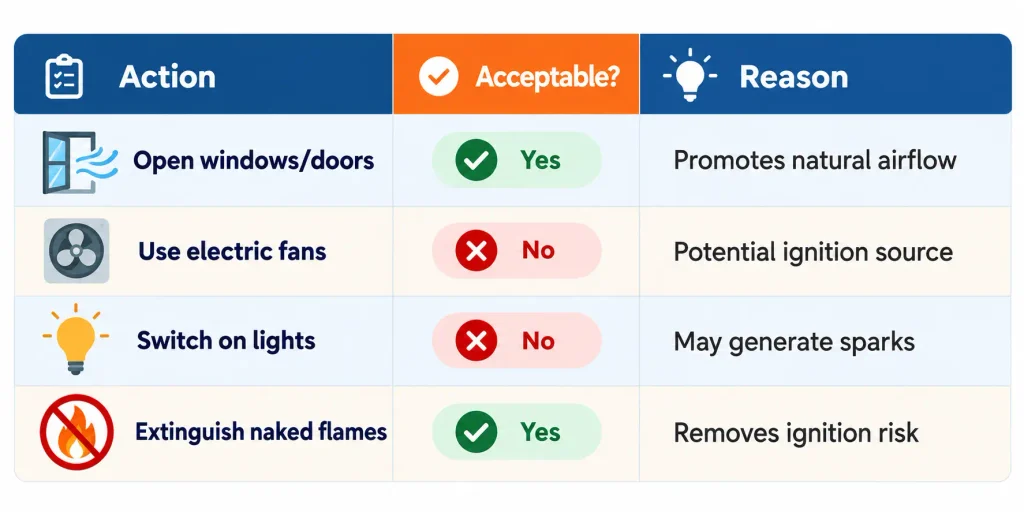
Although shutting off the supply is essential, effective ventilation is just as important to reduce the concentration of any escaped gas without introducing new hazards. A landlord should prioritise controlled, low‑risk airflow that clears gas while preserving occupants’ freedom to move calmly and safely.
They should open doors and windows manually, starting with those furthest from any suspected leak, allowing gas to dissipate naturally. Mechanical fans, extractor hoods, and anything requiring electricity must stay off to avoid sparks. Smoking, candles, or any open flames are strictly incompatible with safe ventilation.
Leave the Property and Get Emergency Help
Leaving the property promptly and contacting emergency services are the next critical steps once a gas leak is suspected. A landlord who values their own independence and that of their tenants recognises that staying inside risks explosion or poisoning, instantly removing choice and control. Everyone must leave without delay, closing doors behind them if safe, without using switches, phones, or lighters.
Outside, they should move well away from the building before seeking help. Landlords must:
- Call the National Gas Emergency Service on 0800 111 999 and follow instructions.
- Inform the fire and rescue service if there is visible gas, fire, or strong fumes.
- Keep people back, avoid re‑entry, and wait for engineers to confirm the property is safe.
Landlord Responsibilities for Gas Safety
Every landlord who lets out a property with gas appliances in the UK carries clear legal duties to protect occupants from gas-related risks. These duties exist so that people can enjoy their homes without hidden threats undermining their freedom and safety.
By law, landlords must guarantee that all gas appliances, flues, and pipework they provide are installed and maintained by a Gas Safe registered engineer. An annual gas safety check is mandatory, and the resulting Gas Safety Record must be given to existing tenants within 28 days, and to new tenants before they move in.
Landlords must also keep records of these checks for at least two years, act promptly on any faults, and never allow the use of appliances that are unsafe or capped off. Clear access to gas meters and emergency control valves must be maintained, enabling occupants to act quickly if they suspect a leak.
Frequently Asked Questions
Can Landlords Charge Tenants for Emergency Gas Leak Callouts or Repairs?
Landlords generally cannot charge tenants for emergency gas leak callouts or repairs, as safety and legal compliance remain the landlord’s responsibility. Tenants retain the freedom to report leaks immediately without financial fear, ensuring protection and prompt action.
How Often Should Landlords Proactively Replace Aging Gas Pipework or Fittings?
They should replace aging gas pipework only when inspection or risk demands it; no fixed interval is mandated. Regular gas‑safe checks, manufacturer guidance, visible corrosion, leaks, or outdated materials justify proactive replacement to protect occupants’ safety and autonomy.
Are Smart Gas Detectors Acceptable Alternatives to Traditional Gas Safety Checks?
Smart gas detectors are not acceptable substitutes for traditional gas safety checks; they work only as supplementary tools. Landlords still need certified annual inspections to legally safeguard occupants while embracing tech that enhances, not replaces, mandatory safety duties.
What Records Must Landlords Keep to Prove Ongoing Gas Safety Compliance?
Landlords must keep: annual Gas Safety Records (CP12), installation and commissioning certificates, maintenance and repair invoices, engineer Gas Safe registration details, appliance manuals, risk assessments, tenant notification proofs, and records of remedial actions, usually retained for minimum two years.
How Should Landlords Handle Gas Safety When a Property Is Empty Between Tenancies?
Landlords should maintain valid gas safety certificates during void periods, keep appliances capped or safely isolated, permit only registered engineers to work, document all checks, and guarantee systems are fully tested before granting new tenants unrestricted occupation of the property.
Conclusion
To sum up, “Why gas leaks are dangerous” Gas leaks pose serious risks of explosion, fire, and carbon monoxide poisoning, making proactive gas safety essential in UK rental properties. By understanding how leaks occur, recognising warning signs, and responding quickly to suspected problems, both landlords and tenants can greatly reduce danger. Landlords who meet their legal duties, regular gas safety checks, prompt repairs, and clear communication, help protect lives, preserve property, and guarantee homes remain safe, compliant, and fit for tenants to live in.