
This is the guide for gas safety before buying a home. Before buying a home in the UK, a buyer should check the boiler’s age, condition, and service history, plus visible gas pipework for neat, secure installation. They should look for warning signs such as gas smells, soot marks, yellow flames, or unusual noises from appliances. Asking for Gas Safety Records, installation certificates, and repair invoices helps confirm work by Gas Safe engineers. These checks help avoid hidden dangers, extra costs, and future issues that can be better understood with more detail.
Key Takeaways
- Ask for gas safety documents (Gas Safety Records, installation certificates, service records) and confirm all work was done by a Gas Safe registered engineer.
- Check boiler age, service history, visible condition, and listen for unusual noises; budget for replacement if it’s old or poorly maintained.
- Inspect visible gas pipework for neat routing, proper support, suitable materials, and correct sealing where pipes pass through walls.
- Watch for warning signs: gas smells, sooty marks, staining, or yellow/orange flames, and arrange a professional gas safety inspection if any appear.
- Use any identified gas issues to negotiate price, request remedial work, or be prepared to walk away from an unsafe or non-compliant property.
Table of Contents
Why Gas Safety Matters Before Buying a Home
Peace of mind depends heavily on understanding gas safety before buying a home. For a buyer who values safety, hidden hazards are the real threat. Gas appliances, pipework, and flues run out of sight, yet failures can lead to carbon monoxide leaks, fires, explosions, and long‑term health risks. A home that seems like a bargain can become a financial trap if unsafe gas systems demand urgent, expensive remedial work.
Gas safety also shapes how freely someone can use their space. Reliable, compliant systems allow confident heating, cooking, and everyday living without constant worry. Lenders, insurers, and future buyers increasingly expect evidence of proper gas safety management; neglecting it can restrict options later, weakening bargaining power and resale prospects. Learn Why Annual Gas Safety Checks Are Essential for Landlords and Homeowners?
Check the Age and Condition of the Boiler
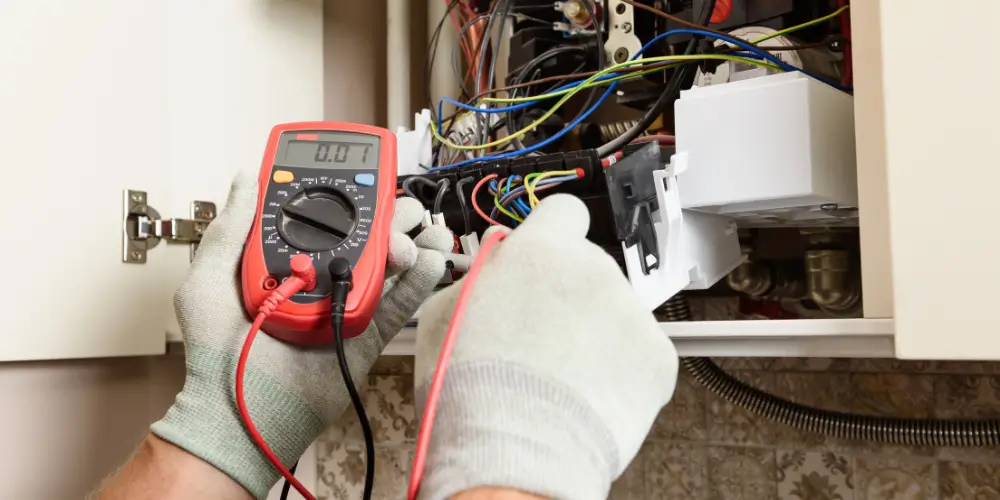
A homebuyer’s first gas safety checkpoint is the boiler’s age and visible condition. An older boiler is not automatically unsafe, but it can be less efficient, more prone to breakdown, and harder to repair due to obsolete parts.
They may ask the seller or agent for installation paperwork, service history, and any warranty documents. A well‑kept service record, ideally annual and by a Gas Safe registered engineer, indicates responsible maintenance. Visually, they may note corrosion, staining, leaks, or scorch marks around the casing and flue area, and listen for unusual noises during operation. They should also confirm the boiler’s make and model, then check typical lifespan and known issues online, helping them budget realistically for future replacement or upgrades.
Check Gas Pipework and Installation Condition
A buyer who values independence needs to know the backbone of the gas system is sound. Visible pipework should appear secure, neatly routed, and properly supported, not loosely clipped or trailing across floors and ceilings. Pipe routes that look improvised, tangled, or patched together can indicate unplanned alterations.
They should note the pipe material and size, ensuring copper or approved alternatives are used and that pipe diameters look appropriate for the appliance load. Any joints, valves, or regulators should appear professionally fitted, aligned, and free from obvious damage or makeshift repairs.
Where pipes pass through walls or floors, there should be proper sleeving and sealing, not rough holes. Around meters and manifolds, the layout should be orderly and clearly labelled. Overall, the installation should look intentional, not experimental, supporting a safe, hassle‑free move.
Look for Signs of Gas Safety Problems
Many warning signs of gas safety problems can be spotted without tools or specialist knowledge. A buyer can simply walk through the property and pay attention to smell, sight, and sound. Any persistent smell of gas, however faint, is a major red flag. So is a musty, burnt, or sulphur-like odour near appliances or meters.
Visually, staining or discolouration around boilers, fires, or cookers may indicate incomplete combustion. Sooty marks, melted surfaces, or yellow or lazy orange flames (instead of crisp blue) suggest poor burning and possible carbon monoxide risk. Condensation on windows specifically after using gas appliances may also hint at problems.
Unusual noises from boilers or fires, popping, banging, or hissing, warrant caution. Residents’ explanations such as “it’s always been like that” should not be accepted as reassurance. A buyer who notices any of these signs should factor in likely remedial costs and insist on professional assessment before committing.
Check Available Gas Safety Documents
Before progressing too far with a purchase, a buyer should ask the seller or agent for any gas safety documents available for the property. These records reveal how responsibly the system has been managed and whether hidden risks might limit a buyer’s freedom to live in the home as they choose.
Key documents typically include a Gas Safety Record for rented properties, installation certificates for boilers and gas fires, and Building Regulations compliance certificates. Together, they indicate whether work was done by Gas Safe registered engineers and in line with UK regulations.
| Document Type | Why It Matters | What To Look For |
| Gas Safety Record | Confirms basic safety checks | Date, engineer’s Gas Safe number |
| Boiler Installation Cert. | Shows compliant installation | Address, model, installation date |
| Building Regs Certificate | Evidence of notified work to the council | Matching property details, reference |
If documents are missing or unclear, a buyer retains the option to negotiate, seek further checks, or walk away.
Ask About Previous Repairs and Maintenance
Ideally, a prospective buyer should ask direct questions about any past repairs, services, or recurring faults on the property’s gas appliances and pipework. This line of questioning helps them understand whether the system has been reliably maintained or repeatedly patched up. They may request written confirmation of when boilers, gas fires, or cookers were last serviced, who carried out the work, and why it was needed.
A buyer who values independence will also want to know if parts have been replaced with manufacturer‑approved components and whether recommendations from previous inspections were actually completed or ignored. Frequent call‑outs for the same issue can signal deeper problems and potential future costs, limiting the buyer’s freedom to use their new home as they wish. Clarifying this history early enables them to judge whether the installation feels dependable, negotiable in price, or simply not worth the ongoing risk and expense.

Check Gas Safety in Older Properties
Although older homes often appeal through their character and period features, their gas installations can conceal age‑related defects and outdated materials. A buyer who values independence will want clear evidence that the system is safe, efficient, and not quietly restricting their future choices or budget.
Key points in older UK properties include:
- Visually check accessible pipework for corrosion, paint flaking, or makeshift joints, especially around basements, hearths, and meter cupboards.
- Confirm whether the original iron or steel pipework has been upgraded to modern copper or approved plastic and whether any redundant pipe runs remain live.
- Examine the age and type of boilers, fires, and cookers; back‑boilers, open‑flued appliances, and unflued heaters can carry higher risk if not maintained or upgraded.
- Assess ventilation and chimney condition in rooms with gas appliances; blocked, undersized, or altered flues can trap combustion products and increase carbon monoxide danger.
What to Do If You Find Gas Safety Problems
Discovering a potential gas safety issue during a purchase should trigger a deliberate, structured response rather than a rushed decision. A buyer starts by pausing any commitment: no exchanging contracts, no completion dates, until the risk is understood. They obtain a written report from a Gas Safe registered engineer, distinguishing between immediate dangers and advisory defects.
If an appliance is labelled “Immediately Dangerous” or “At Risk”, gas should be capped off and the property treated as unusable until rectified. Armed with the engineer’s findings, the buyer can renegotiate: insist the seller completes repairs, request a price reduction, or walk away entirely.
They should keep all reports, invoices, and certificates as leverage and future protection. If the seller resists, the most powerful option is disengagement; there are always other properties. Protecting safety first preserves the buyer’s long‑term freedom to live and move without hidden hazards.
Frequently Asked Questions
Do I Need a Gas Safety Check for a Mortgage or Home Insurance Approval?
They usually don’t strictly need it, but lenders and insurers often expect evidence of safe gas systems. A recent gas safety check reassures them, can smooth approvals, reduce conditions, and protects the buyer’s long‑term freedom in the property.
How Much Does a Pre-Purchase Gas Safety Inspection Typically Cost in the UK?
A pre‑purchase gas safety inspection in the UK typically costs £80–£200, depending on property size, region, and appliance count. Buyers seeking independent assurance often choose higher‑end engineers, valuing transparent reporting and full operational checks over minimal compliance.
Can I Make Gas Safety Checks a Condition in the Purchase Contract?
Yes, buyers can make gas safety checks a condition in the purchase contract. They typically instruct their solicitor to add a specific clause requiring satisfactory gas inspection results, with rights to renegotiate, demand remedial work, or withdraw.
Should I Attend the Gas Inspection Visit With the Engineer Present?
Yes, attending is wise. The buyer gains unfiltered insight, can question the engineer directly, photograph evidence, understand any risks or costs, and avoid relying solely on written reports that might soften, summarise, or omit inconvenient details.
What Qualifications Should My Gas Engineer Have Beyond Basic Gas Safe Registration?
They should hold Gas Safe registration plus appliance‑specific competencies (e.g., boilers, fires, LPG), ACS or equivalent qualifications, evidence of recent CPD, manufacturer training, public liability insurance, written references, and preferably membership of a recognised professional or trade body.
Conclusion
By taking gas safety before buying a home seriously, protects both health and investment. Checking the boiler, pipework, documentation and visible warning signs, and asking informed questions about repairs and maintenance, helps reveal hidden risks, especially in older properties. If issues are uncovered, buyers can negotiate remedial work, adjust their offer, or walk away. A professional gas safety inspection offers essential peace of mind when committing to a new home.