
Why annual gas safety checks are essential? Annual gas safety checks in the UK protect lives, guarantee legal compliance, and prevent costly emergencies for both landlords and homeowners. A Gas Safe engineer inspects appliances, pipework, and flues to prevent gas leaks and carbon monoxide risks. Landlords must obtain an annual Gas Safety Record, or face penalties and possible invalid insurance. Homeowners are strongly advised to do the same to avoid unexpected breakdowns, expenses, and disruption, as well as to understand the wider benefits in more depth.
Key Takeaways
- Annual gas safety checks protect occupants from gas leaks and carbon monoxide poisoning by ensuring appliances, flues, and pipework are operating safely and efficiently.
- For landlords, yearly checks are a legal requirement in the UK, with Gas Safety Records needed to prove compliance and avoid prosecution or fines.
- Insurers may refuse claims or invalidate policies if a current Gas Safety Record is not in place at the time of an incident.
- Regular inspections catch minor faults early, preventing costly emergency repairs, breakdowns, and premature replacement of boilers or other gas appliances.
- Timely checks and proper documentation safeguard future letting options and demonstrate responsible property management to tenants, insurers, and regulatory bodies.
Table of Contents
What Is an Annual Gas Safety Check?
An annual gas safety check is a formal inspection of gas appliances, pipework, and flues carried out by a qualified Gas Safe registered engineer to verify they are operating safely and efficiently. It focuses on whether boilers, fires, cookers, meters, and associated ventilation are working correctly, burning gas cleanly, and releasing fumes outdoors.
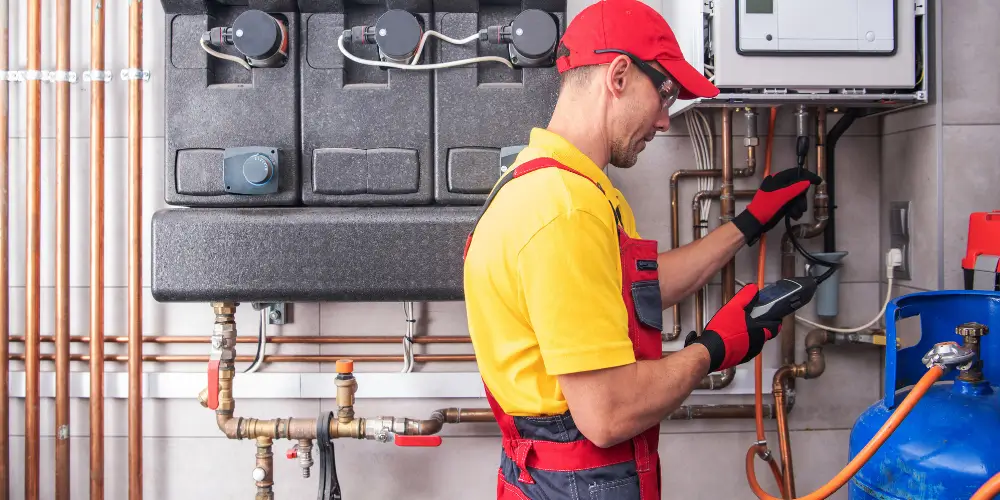
During the visit, the engineer visually inspects each appliance, tests gas tightness, checks ventilation routes, and verifies that safety devices operate as intended. Flue integrity and flame quality are examined to confirm combustion gases do not leak into living spaces.
The engineer then records findings in a clear report, highlighting any defects or recommendations. This gives owners transparent information, so they can decide what to repair, upgrade, or replace. By understanding the actual condition of their system, people retain control over their environment while reducing risks from carbon monoxide, leaks, or inefficient operation.
Legal Requirements for Gas Safety Checks
Beyond the practical benefits of understanding what a gas safety check involves, there are specific legal duties that apply, particularly to landlords. In the UK, the Gas Safety (Installation and Use) Regulations 1998 require landlords to arrange an annual gas safety check on every gas appliance and flue provided for tenants. This must be carried out by a Gas Safe registered engineer.
Landlords must also keep a written Gas Safety Record and provide tenants with a copy within 28 days of the check, or before a new tenant moves in. Records must be retained for at least two years. Even where tenants supply their own gas appliances, landlords remain responsible for the safety of flues and pipework.
Homeowners are not legally compelled to have annual checks, but are strongly advised to do so. Meeting these requirements protects health, prevents disputes, and supports a landlord’s ability to let property without legal obstruction. For detailed guidance on legal requirements, read our blog post Gas Safety Certificate Requirements: What Landlords Need to Know.
Preventing Gas Leaks and Carbon Monoxide Risks
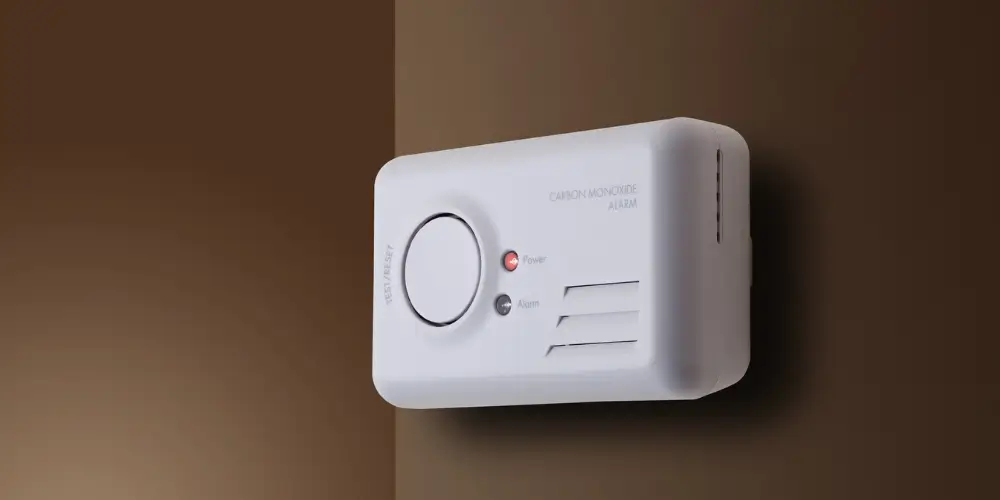
A central purpose of annual gas safety checks is to reduce the risk of gas leaks and carbon monoxide (CO) poisoning exposure before they escalate into emergencies. By confirming that appliances burn gas cleanly and that ventilation is unobstructed, these checks help occupants live independently without unseen threats undermining their choices. Technicians verify pipework integrity, test flues, and ascertain safety devices function as intended.
| Focus Area | Freedom‑Centred Benefit |
| Leak detection | Avoids sudden failures that limit how a property is used |
| Burner performance | Maintains efficient, predictable energy costs |
| Ventilation and flues | Preserves clean indoor air without constant worry |
| CO alarm placement | Enables early warnings with minimal lifestyle intrusion |
| Ongoing record‑keeping | Provides proof of diligence, reducing external interference |
Through systematic inspection, landlords and homeowners gain confidence that their gas systems are not silently eroding health, finances, or autonomy.
Protecting Occupants From Gas Safety Hazards
Three intertwined priorities define meaningful protection from gas safety hazards: early risk detection, clear escape routes, and rapid emergency response. For landlords and homeowners who value independence, these priorities create the conditions for safe, unconstrained living. When the environment is protected, occupants are free to use their homes as they choose without constant concern about hidden dangers.
Protection begins with establishing simple, well‑understood procedures. Occupants should know where the gas shut‑off valve is located, how to isolate supply quickly, and when to call emergency services. Clear, unobstructed exits guarantee that anyone can leave the property within seconds if they smell gas or feel unwell.
Visible, easy‑to‑read safety information placed near cookers, boilers, and exits supports confident decision‑making rather than fear. Combined with up‑to‑date alarms and straightforward household rules on ventilation and smoking, these measures reduce risk while preserving the personal freedom to enjoy gas appliances securely.
Identifying Unsafe Gas Appliances Early
Spotting unsafe gas appliances before they fail depends on noticing small, easily missed warning signs and acting on them quickly. For landlords and homeowners who value independence, early recognition preserves both freedom of choice and control over their property, rather than leaving decisions to emergency engineers or insurers.
Warning signs often start subtly: a yellow or flickering burner flame instead of a clear blue one, persistent condensation on windows near the appliance, unusual soot marks, or scorch staining around hobs, fires, and boilers. Strange ticking, booming, or whistling noises, pilot lights that repeatedly go out, or a boiler that keeps locking out can also indicate developing faults.
A faint smell of gas, headaches, dizziness, or unusual tiredness when an appliance is running should never be dismissed. Routine visual checks by occupants, backed by professional annual inspections, help guarantee unsafe appliances are identified and isolated long before they become critical.
Reducing the Risk of Gas Related Incidents
Reducing the risk of gas related incidents relies on combining disciplined routine checks with clear safety procedures that everyone in the property understands. When occupants and owners know how to recognise unusual smells, sounds, or flame colours, they can act quickly instead of feeling trapped by uncertainty. Annual gas safety checks support this awareness by confirming that appliances burn cleanly, flues draw correctly, and ventilation is unobstructed.
Risk reduction centres on interrupting danger before it builds. Simple measures keeping combustible items away from cookers and boilers, ensuring vents remain open, and never blocking air bricks to “keep heat in” significantly cut the chance of fire, explosion, or carbon monoxide build‑up. Clear guidance on how to shut off the gas at the meter and who to call in an emergency gives occupants real control. With these safeguards in place, people enjoy the freedom to use gas confidently, without hidden hazards undermining their independence.
Meeting Gas Safety Responsibilities
Fulfilling gas safety responsibilities means understanding not only what the law requires, but also how those duties apply in day‑to‑day property management. In the UK, landlords must arrange annual gas safety checks by a Gas Safe registered engineer, keep records for at least two years, and provide certificates to tenants within 28 days or at the start of a tenancy. Homeowners, while not under the same legal pressure, share a practical duty to safeguard everyone living in or visiting the property.
Meeting these responsibilities supports personal autonomy rather than restricting it. By keeping appliances, flues, and pipework properly maintained, owners and landlords avoid dependence on emergency interventions and retain control over their living environment. Clear documentation, engineer credentials, and a simple schedule for annual inspections allow individuals to meet regulatory expectations efficiently, while preserving the flexibility to manage properties, choose contractors, and plan maintenance on their own terms.
Avoiding Problems From Missed Gas Checks
Ignoring or postponing annual gas safety checks can quickly turn a routine obligation into a legal, financial, and safety liability. When inspections slip, landlords and homeowners risk losing the very freedom they value, control over their time, money, and property choices. Problems rarely appear overnight; they build quietly, then demand attention on their own terms.
To avoid being cornered by avoidable crises, many owners focus on four core risks:
- Legal exposure – Missed checks can lead to prosecution, fines, or invalidated tenancies, limiting future letting options.
- Insurance issues – Insurers may refuse claims after an incident if no current Gas Safety record exists.
- Cost escalation – Minor faults, left unchecked, can become major repairs or full system replacements.
- Loss of autonomy – Emergency interventions by authorities, utility companies, or courts reduce an owner’s ability to manage a property on their own terms.
Supporting Safe Property Management
Supporting safe property management involves more than meeting an annual obligation; it requires building simple, reliable systems that keep gas safety on track with minimal disruption. When gas checks are embedded into routine management, landlords and homeowners gain the freedom to focus on other priorities, knowing essential safeguards are handled. Clear schedules, digital reminders, and organised record‑keeping make compliance almost automatic rather than a recurring hassle.
This structured approach supports flexible living arrangements, including frequent lets, house moves, or portfolio growth, without sacrificing safety. Consistent checks also create a clear audit trail, making it easier to demonstrate compliance to insurers, agents, or local authorities, while keeping bureaucracy to a minimum.
Why Regular Gas Checks Should Not Be Delayed
Although an annual gas safety check might seem like a task that can be pushed back a few weeks, even short delays can greatly increase risk. For landlords and homeowners who value independence and control over their space, postponing checks quietly hands that control to chance and hidden faults.
- Gas appliances can deteriorate quickly, turning small issues into sudden leaks, incomplete combustion, or dangerous carbon monoxide build‑up.
- Early detection prevents emergency callouts, disruptive breakdowns, and costly repairs that restrict how a property can be used and enjoyed.
- For landlords, delayed checks risk non‑compliance with UK gas safety regulations, exposing them to legal penalties and potential restrictions on letting activity.
- Insurers may challenge claims if records show overdue inspections, leaving owners financially exposed when they most need support.
Regular checks, completed on time, secure the freedom to live or let property without hidden technical or legal threats.
Frequently Asked Questions
Can I Stay in the Property While the Gas Safety Check Is Carried Out?
Yes, occupants can remain in the property during a gas safety check, moving freely between rooms. The engineer simply needs clear access to appliances and meters, briefly interrupting use of gas equipment while tests are performed safely.
How Long Does a Typical Annual Gas Safety Inspection Usually Take?
A typical annual gas safety inspection usually takes 30–60 minutes. Duration varies with property size and number of appliances. The engineer needs clear access; occupants remain free to stay, observe, or move about as they choose.
What Should I Do if I Lose My Gas Safety Certificate?
They should contact the original Gas Safe registered engineer or company to request a duplicate certificate, verify records are held, and guarantee future checks are digitally stored or backed up to maintain uninterrupted proof of compliance and safety.
Are Smart Boilers or Smart Thermostats Treated Differently in Gas Safety Checks?
Smart boilers and smart thermostats undergo gas safety checks like conventional systems; engineers still test combustion, ventilation, flues, and pipework. Smart controls mainly add electrical and connectivity checks, firmware considerations, and user‑override risks, but no separate legal gas‑safety regime.
How Can I Check That My Engineer Is Properly Gas Safe Registered?
They verify an engineer’s status on the official Gas Safe Register website or phone line, matching the ID card number, photo, expiry date, and listed qualifications to the person present before allowing any work.
Conclusion
To conclude, “Why annual gas safety checks are essential?” Annual gas safety checks provide crucial reassurance for both landlords and homeowners across the UK. They confirm legal obligations are being met, reduce the risk of gas leaks and carbon monoxide exposure, and help identify unsafe appliances before they become dangerous. By prioritising timely inspections and accurate records, property owners protect occupants, avoid costly issues, and support responsible property management. Regular gas safety checks are a simple, essential step in maintaining a safe, compliant home.