
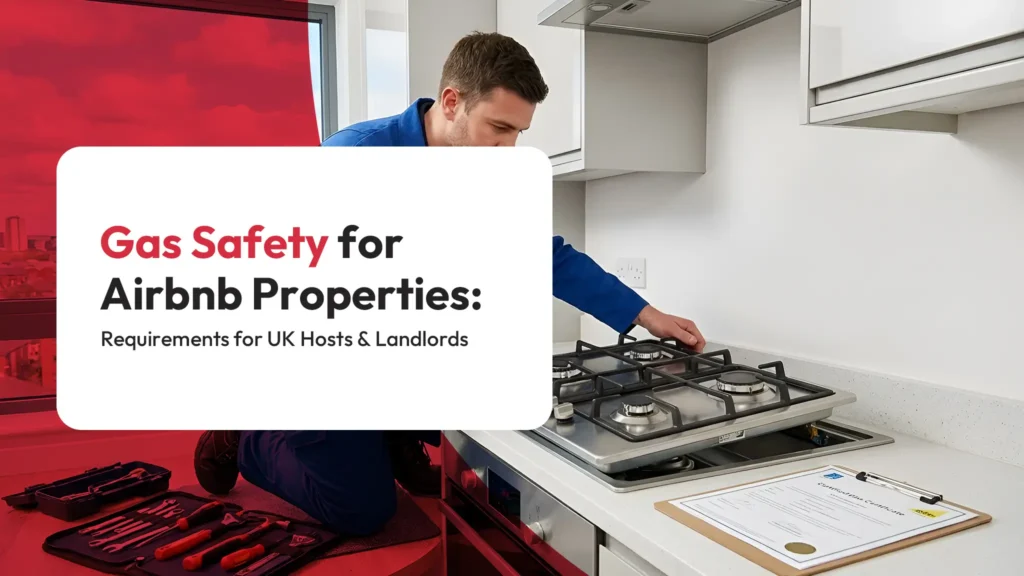
When it comes to gas safety for Airbnb Properties, UK Airbnb hosts are treated as landlords for gas safety and must follow UK landlord gas regulations. They must use Gas Safe registered engineers for any gas work and obtain annual Gas Safety Records (CP12) for all gas appliances. Hosts should maintain safe appliances, working CO alarms, and clear instructions for guests on safe use and emergencies. Good documentation and prompt responses to issues protect guests and reduce legal risk, with further details explaining how to stay compliant.
Key Takeaways
- UK Airbnb hosts are treated as landlords and must comply with gas safety law, including using only Gas Safe registered engineers for any gas work.
- Arrange an annual Gas Safety check on all gas appliances and flues, and obtain a Gas Safety Record (CP12) kept for at least two years.
- Ensure every gas appliance provided, even rarely used ones, is safely installed, maintained, and accessible, with adequate ventilation and no DIY alterations to pipework.
- Provide guests with clear instructions for using gas appliances, show location of emergency shut-off controls, and install and test carbon monoxide and smoke alarms.
- If an appliance is unsafe or a leak is suspected, isolate the gas supply, have a Gas Safe engineer attend immediately, and relocate or cancel guests if necessary.
Table of Contents
Gas Safety Responsibilities for Airbnb Hosts
Although Airbnb operates as a platform rather than a traditional landlord, the legal and moral duty to guarantee gas safety in a listing rests squarely with the host. In the UK, anyone accepting paying guests becomes, in effect, a landlord for gas‑safety purposes. That status triggers clear obligations under gas safety legislation, regardless of how “informal” or flexible the hosting arrangement feels.
A host who values personal freedom and low bureaucracy can still operate within these rules by treating gas safety as a non‑negotiable baseline rather than an optional extra. This means ensuring that only Gas Safe registered engineers work on gas systems, keeping written evidence of compliance, and understanding that guests are entitled to expect a safe environment. Failure to meet these responsibilities risks criminal liability, civil claims, and listing removal. Taking gas safety seriously protects guests, preserves hosting autonomy, and strengthens the long‑term viability of short‑term rentals.
Gas Appliances Covered in Short-Term Rentals
Once the host’s overall gas safety responsibilities are understood, attention must turn to the specific appliances found in a typical short‑term rental. In UK Airbnbs, any gas‑fired equipment connected to the property’s gas supply falls within the legal framework, regardless of how often it is used. This usually includes gas boilers for central heating and hot water, gas fires in lounges or bedrooms, gas hobs and ovens in kitchens, and sometimes gas‑fed range cookers.
Properties may also feature gas water heaters, gas‑powered tumble dryers, or decorative flame-effect fires. Portable gas heaters using cylinders, if provided by the host, are treated as covered appliances too. Even rarely used or “backup” appliances remain within scope as long as they are connected and capable of operation. Hosts retain the freedom to choose which gas appliances to offer, but every installed item brings parallel duties around safety certification and ongoing oversight.
Preparing an Airbnb Property for Gas Checks
Many practical steps are required before an Airbnb property is ready for a gas safety check. A host who values flexibility and hassle‑free bookings benefits from preparing systematically. First, they identify every gas appliance and note its location, model, and age; this list helps streamline the visit and future checks. Access routes to boilers, meters, and flues are cleared so the engineer can work quickly, without moving furniture or luggage.
Hosts guarantee operating manuals and previous gas safety records are available, along with any warranties or installation certificates. They confirm that gas and electricity supplies are on, and that keys or codes for meter cupboards and plant rooms work. Carbon monoxide alarms are tested and any expired units replaced. Finally, the host documents any recent issues guests have mentioned such as unusual noises or intermittent hot water, so the check addresses potential fault patterns efficiently and supports long‑term, low‑stress hosting. Here is the guide for How to Prepare for a Gas Safety Inspection: Checklist for London Landlords
What a Gas Safe Engineer Inspects
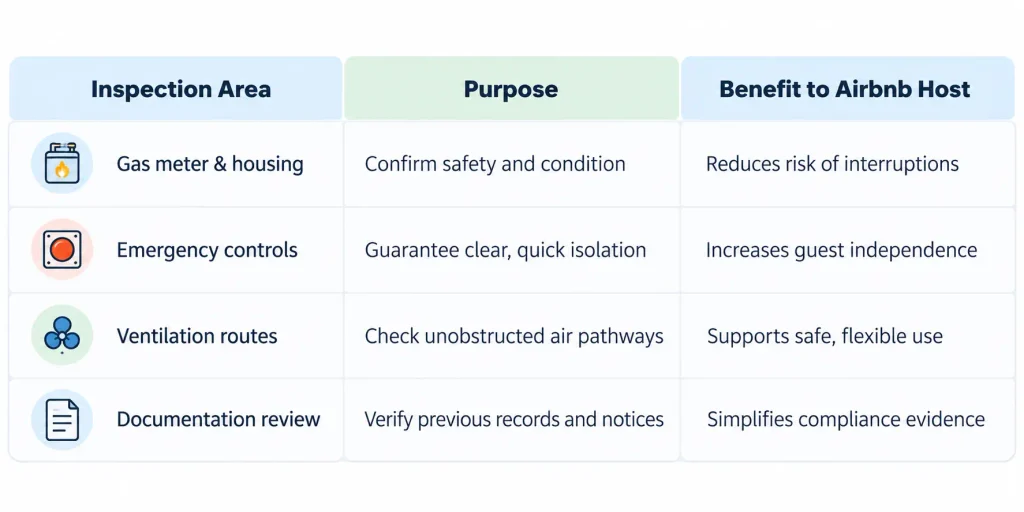
A structured gas safety inspection follows a clear sequence, starting with confirmation that the gas supply, meter, and emergency control valve are sound and accessible. The engineer verifies that shut‑off points are clearly labelled and unobstructed, so guests and hosts retain control if something goes wrong. They also check that the gas installation aligns with current regulations and manufacturer guidance, avoiding hidden risks that could restrict use of the property.
Identification checks matter too. The engineer confirms their Gas Safe registration, licence card details, and any relevant categories for the work being undertaken. This protects hosts’ legal position and supports hassle‑free short‑term letting.
Key elements are typically reviewed in a consistent pattern:
Checking Gas Appliances, Pipework and Flues
Thorough checking of gas appliances, pipework, and flues forms the core of any safety inspection in an Airbnb property. A host who wants the freedom to operate smoothly must guarantee every gas appliance is correctly installed, securely connected, and burning gas cleanly. Engineers verify appliance settings, test safety devices, and confirm that there is no risk of carbon monoxide escape during normal use.
Pipework must be continuous, properly supported, and free from corrosion or mechanical damage. Tightness tests are carried out to confirm there are no leaks that could trigger alarms, emergency callouts, or enforcement action. Any flexible connections are checked for age, kinks, and incorrect routing.
Flues and chimneys are examined to guarantee combustion gases are carried safely outdoors. Engineers confirm flue integrity, clear termination points, and adequate ventilation. Obstructed or poorly designed flues are flagged immediately, as they undermine both legal compliance and guest safety.
Gas Safety in Guest Areas and Kitchens
Gas safety in guest areas and kitchens focuses on how visitors actually use the space, not just how appliances are installed. Hosts and landlords must assume guests will cook at odd hours, open windows, or move furniture, and should plan the layout so that gas hobs, ovens and heaters remain unobstructed, with clear airflow to any vents or extractors.
In open‑plan living spaces, seating, soft furnishings and luggage must be kept away from open flames or hot surfaces, and portable items should never block access to gas isolation valves. Where gas fires or boilers are located in guest lounges or bedrooms, guards or enclosures may be required to prevent contact, tampering or accidental covering.
Kitchens should have robust, easy‑to‑use controls, visible flame failure devices where required, and adequate fixed ventilation, so guests can enjoy flexible use of the property without compromising legal gas safety standards.
Providing Gas Safety Information to Guests
Although most guests never think about how a property’s gas system works, they still rely on clear, simple information to stay safe. UK hosts and landlords are expected to provide instructions that empower guests to act independently without feeling restricted or monitored.
A brief, visible guide works well when it focuses on essentials:
- How to use gas appliances safely: Plain, step‑by‑step instructions beside hobs, ovens, and heaters, including how to switch them off fully and what indicator lights or symbols mean.
- Where shut‑off controls and detectors are located: A simple note or diagram showing the main gas isolation valve, emergency control valve, and positions of carbon monoxide and smoke alarms.
- What to do if something seems wrong: A short, calm action plan: turn appliances off, open windows, avoid switches, leave the property if necessary, and contact the host and National Gas Emergency number.
Common Gas Safety Issues in Airbnb Properties
Clear guidance for guests only works well when the property itself is free from underlying faults, and many short‑let homes share a familiar set of gas‑related risks. Transient occupancy, rapid changeovers and varied guest behaviour all increase strain on gas systems.
Common issues include poorly maintained boilers, especially older combination units that have not been serviced annually. Flues may be boxed‑in or modified during refurbishments, leaving inadequate ventilation or blocked outlets. Gas hobs often show signs of damaged burner caps, sooting or yellow flames, indicating incomplete combustion.
In compact city flats, portable gas heaters, camping stoves or patio heaters sometimes migrate indoors, creating uncontrolled carbon monoxide and fire risks. DIY alterations to pipework, relocation of appliances, or capping of fireplaces without proper checks also appear frequently in short‑let properties. Finally, missing or disabled carbon monoxide alarms and smoke alarms undermine guests’ ability to act independently and protect themselves.

What Happens When Gas Safety Problems Are Found?
When a gas safety problem is identified in an Airbnb property, the response should be immediate and structured. The priority is always to remove risk to guests and anyone else on site, even if that means temporarily limiting how the property can be used.
- Immediate risk control If there is suspected gas escape or carbon monoxide risk, the appliance is isolated or the gas supply is shut off. Guests may need to leave the property until the area is confirmed safe.
- Professional investigation and repair A Gas Safe registered engineer must diagnose the fault, label unsafe appliances, and either repair them or permanently disconnect them. Temporary DIY fixes are not acceptable.
- Decisions about letting the property Where hazards remain unresolved, the property should be taken off the booking calendar. Letting can resume only when a competent engineer confirms that all affected appliances and flues are safe to use.
Gas Safety Records for Airbnb Rentals
Surprisingly often, hosts underestimate how central gas safety records are to running a compliant Airbnb. Yet these documents are the key that lets them operate freely without the threat of enforcement or sudden cancellations. UK law requires a valid Gas Safety Record (often called a CP12) for every property with gas appliances offered to paying guests.
The certificate must be issued by a Gas Safe registered engineer following an annual safety check. Hosts should keep records for at least two years and guarantee the latest certificate is easily accessible, ideally uploaded to their Airbnb listing and stored digitally.
Records must clearly identify the property, list each gas appliance checked, confirm it is safe or note required remedial work, and include the engineer’s Gas Safe registration details and signature. By maintaining accurate, up‑to‑date documentation, hosts retain control of their business and minimise interference from insurers, platforms, or regulators.
Frequently Asked Questions
Do I Need Carbon Monoxide Alarms if My Airbnb Has Only Electric Heating?
No, if the property truly uses only electric heating and has no fuel‑burning appliances, CO alarms are not legally required, though many independent hosts still choose to install them as an extra safeguard for guests.
Are Gas Safety Rules Different for Rural Off-Grid LPG Airbnb Properties?
Yes, core gas safety rules are broadly the same, but off‑grid LPG adds extra duties: secure cylinders, protect pipework, guarantee ventilation, maintain appliances, arrange annual Gas Safe checks, keep records, and provide clear safety info for guests.
How Do Gas Safety Requirements Apply to Airbnb Houseboats or Canal Boats?
They apply fully: any let houseboat must meet UK gas safety law, use Gas Safe boat-registered engineers, have annual checks, certificates, CO alarms, proper ventilation, secure LPG storage, and documented maintenance, regardless of movement or mooring location.
What Gas Safety Rules Apply if I Only Rent a Single Bedroom to Guests?
They still face landlord‑style gas rules: annual Gas Safe check, valid certificate, working CO alarm, and safe appliances in shared areas. Even when renting one room, responsible freedom means maintaining compliant installations wherever guests might reasonably access.
Are There Specific Gas Safety Obligations for Airbnb “Experiences” Involving Cooking?
Yes. Experiences that involve cooking typically trigger the same gas safety duties as other paid stays: safe, maintained appliances, adequate ventilation, CO alarms where required, competent oversight, and clear emergency procedures, plus compliance with any commercial kitchen regulations.
Conclusion
To sum up, gas safety for Airbnb Properties requires UK Airbnb hosts and landlords to treat gas safety with the same seriousness as traditional landlords. Ensuring annual checks by a Gas Safe registered engineer, maintaining appliances, and keeping accurate gas safety records are legal and moral obligations. By clearly communicating safety information to guests and promptly addressing any issues found during inspections, hosts protect occupants, safeguard their property, and maintain compliance with UK gas safety regulations in short-term rentals.