
How to prepare for a Gas safety inspection? London landlords should confirm the gas safety inspection date in writing, notify tenants with at least 24 hours’ notice, and guarantee clear access to all gas appliances, flues and ventilation points. They should clear clutter around boilers, hobs and ovens, and have previous Gas Safety Records and certificates ready for the engineer. After the visit, they must review the report, act promptly on any issues, and update records, with further steps offering additional reassurance and compliance.
Key Takeaways
- Confirm the inspection date, time, and engineer’s Gas Safe details in writing, then share and calendarise the appointment for all occupants.
- Give tenants at least 24 hours’ written notice, clearly stating the visit’s purpose, timing, and access requirements for all gas appliances.
- Ensure clear access to boilers, hobs, ovens, meters, flues, and ventilation points by removing obstructions and providing safe steps for elevated appliances.
- Gather and organise previous Gas Safety Records, appliance certificates, and notes of remedial works, keeping digital backups securely stored and easy to access.
- After the visit, review the Gas Safety Record, action any remedial recommendations promptly with a Gas Safe engineer, and share updated certificates with tenants.
Table of Contents
Confirm Your Gas Safety Inspection Date
A homeowner should first verify the exact date and time of the gas safety inspection with the provider or landlord, confirming any booking reference or appointment ID. This prevents last‑minute confusion and gives both landlord and tenant freedom to plan their day around a clear schedule rather than waiting indefinitely.
The landlord should request written confirmation by email or text, including the engineer’s name, company, Gas Safe registration number, and estimated arrival window. If the slot feels too restrictive, they can negotiate an alternative date or time that respects existing commitments.
In London, where schedules shift quickly, landlords benefit from setting calendar reminders and sharing the confirmed appointment details with all adult occupants. This keeps expectations transparent and reduces disputes. If the provider reschedules, they should update tenants immediately and store the new confirmation. A clearly agreed inspection date protects legal compliance while minimising disruption to everyday life.
Arrange Access to Gas Appliances
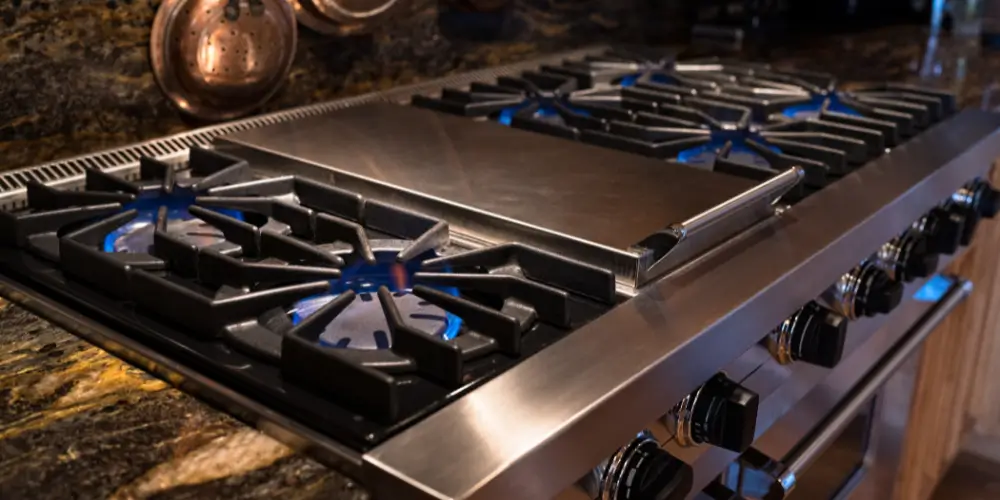
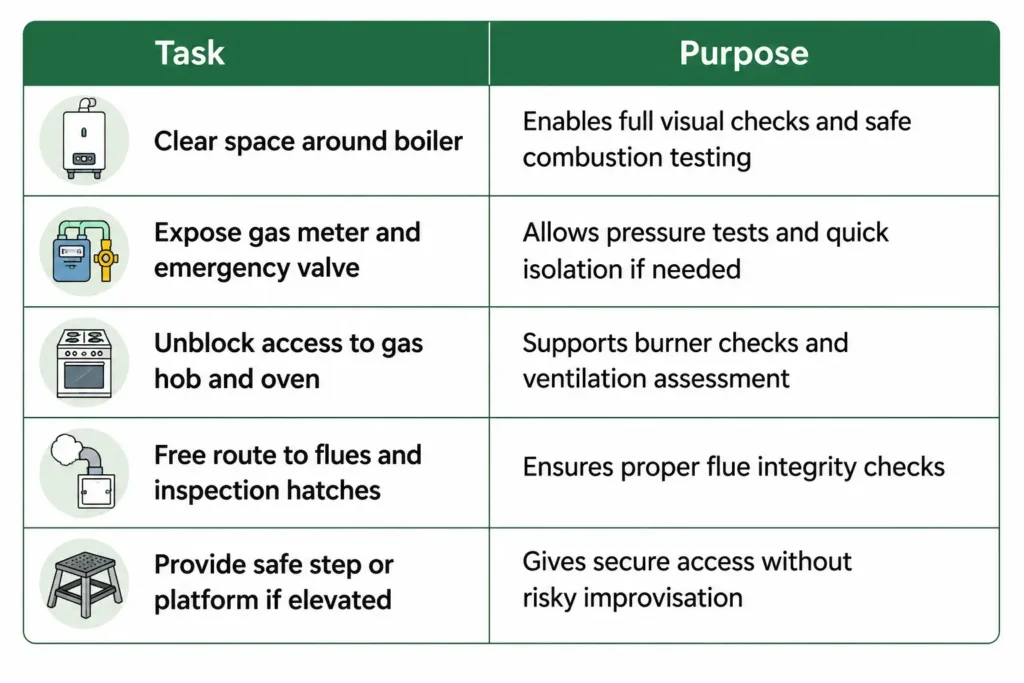
Ensuring clear access to every gas appliance allows the engineer to work efficiently and complete all legal checks in a single visit. Landlords who value time and autonomy will want to remove every avoidable obstacle before the inspection. That means identifying each appliance, confirming its location, and making sure nothing blocks safe entry or ventilation.
Doors, cupboards, and panels hiding boilers, meters, or flues should open fully and without tools. Stored items, bikes, or bulky furniture need relocating so the engineer can move freely, kneel, and use testing equipment without restraint.
Notify Tenants Before the Visit
Informing tenants well in advance of a gas safety inspection helps prevent access issues, missed appointments, and disputes. Landlords in London are expected to give reasonable written notice typically at least 24 hours, though more time is often appreciated. Advance notice respects the tenant’s right to quiet enjoyment while allowing lawful access for essential safety checks.
Clear communication works best. A brief email, text, or letter stating the date, time window, engineer’s details, and purpose of the visit allows tenants to plan around work, childcare, or other commitments. Where possible, landlords may offer alternative time slots so tenants can choose what fits their schedule.
Keeping a record of all notices, screenshots of messages, email copies, or signed letters, helps demonstrate that access was requested fairly and transparently. If tenants raise concerns or propose different times, a landlord who responds cooperatively usually encounters fewer delays and less friction.
Clear Flues and Ventilation Areas
Before the gas engineer arrives, flues, vents, and air bricks should be cleared of obstructions so appliances can be tested safely and accurately. This step protects occupants’ freedom to use gas appliances without hidden risks such as carbon monoxide buildup or poor combustion. Landlords are expected to guarantee that every route for fresh air and fumes is open, visible, and easy to access.
They can walk the property and confirm that no one has blocked ventilation in the name of “cosiness” or storage convenience. Visual checks are usually enough, but they should be systematic:
- Exterior flue terminals free from ivy, pigeon nests, or accumulated leaves.
- Air bricks and wall vents not covered by furniture, curtains, or draft excluders.
- Ventilation grilles in kitchens and living areas clear of grease, dust, or paint.
- Any tenant-installed coverings (tape, cardboard, plastic) removed before inspection.
Check Boiler and Gas Appliance Areas
Attention then turns to the boiler and other gas appliance locations, where safe access and a tidy environment are essential for a smooth inspection. Landlords guarantee the engineer can reach the boiler, hob, fire, or other gas units without moving furniture or possessions. Clear floor space, unobstructed doors, and visible controls allow the inspection to proceed quickly and without disruption to occupants’ routines.
They also remove stored items from around boilers and appliances, especially flammable materials such as cardboard boxes, paint, aerosols, and cleaning chemicals. This protects residents and demonstrates respect for legal safety duties while preserving day‑to‑day autonomy in the property.
Pipework, casing, and visible joints are checked for damage, corrosion, or makeshift repairs. Where signs of leaks or tampering appear, landlords arrange professional attention before the inspection date. Finally, they confirm that appliance manuals and user instructions are nearby, so engineers can verify safe, manufacturer‑compliant operation.
Gather Previous Gas Safety Records
A crucial part of preparing for a gas safety inspection is assembling previous Gas Safety Records and any certificates for installed appliances under the UK law the Gas Safety (Installation and Use) Regulations 1998. Having these documents ready, allows a landlord to demonstrate consistent compliance without delay or confusion. Clear records also help identify patterns of recurring faults, ageing appliances, or systems that may soon need upgrading, so they can act on their own terms rather than under pressure.
Landlords typically benefit from keeping records for several years, neatly ordered and easy to access, whether digitally or in hard copy. This organisation lets them respond quickly to agents, insurers, and local authorities, instead of scrambling for paperwork at the last minute.
- Folders labelled by property, with annual Gas Safety Records in date order
- Digital scans stored in secure cloud folders, backed up regularly
- Notes of past remedial works attached to the relevant certificate
- A simple index page listing appliances, locations, and certificate dates
What Happens During the Inspection?
During a gas safety inspection, a qualified Gas Safe registered engineer systematically checks each gas appliance, flue, and associated pipework in the property. They confirm the engineer’s ID, then allow full access so the inspection can move quickly and without friction. Each appliance is visually inspected for signs of damage, poor installation, or unsafe modification.
The engineer tests gas soundness to verify there are no leaks, checks burner pressure and gas rate, and verifies that ventilation is adequate so combustion gases disperse safely. Flues and chimneys are examined to confirm they are clear, correctly routed, and capable of removing fumes effectively.
Operating checks follow: the engineer starts appliances, monitors flame quality, and confirms that safety devices shut the system down if something goes wrong. Finally, meter locations, emergency control valves, and accessibility are reviewed, helping landlords maintain a safe, compliant property without unnecessary restrictions on normal use.
What If Problems Are Found?
If the engineer identifies a problem, the report will clearly state what is wrong, how serious it is, and whether the appliance or installation is immediately unsafe. Each issue is coded, so a landlord can see at a glance if something is merely advisory or demands urgent attention. This transparency lets them keep control of decisions while still meeting legal obligations and protecting tenants.
Common findings might include:
- Minor ventilation issues that are safe for now but could restrict combustion over time
- Aging flues or pipework that still work but no longer meet current standards
- Appliances that function but show signs of incomplete combustion, indicating rising risk
- Installations classified as “Immediately Dangerous,” requiring the gas supply to that appliance to be capped off
Actions After the Inspection
Once the gas safety inspection is complete, the priority is to review the report and act on any issues raised. A landlord who values autonomy treats this document as a practical roadmap, not bureaucracy. They read each observation, confirm which items are advisory and which are legally critical, and contact the engineer promptly if anything is unclear.
Where remedial work is required, they move quickly to appoint a qualified Gas Safe engineer, agreeing clear timelines and costs. They may choose solutions that minimise disruption to tenants while protecting their own flexibility, such as scheduling works between tenancies where possible.
After works are complete, they obtain written confirmation and, if needed, a follow‑up check to verify that defects have been resolved. They then inform tenants in plain terms what has been done and why, reassuring them that appliances are safe so everyone can use the property without anxiety or hidden risks. Here you can find all Legal Gas Safety Certificate Requirements: What Landlords Need to Know.

Keeping Gas Safety Records Updated
Although a gas safety record might appear to be simple paperwork, a diligent landlord treats it as a living document that needs consistent upkeep. In London, this record is not just proof of compliance; it is a practical tool that protects tenants’ freedom to live safely and landlords’ freedom from unnecessary legal risk.
To keep control, a landlord logs every inspection, repair, and replacement as it happens, not weeks later. Digital copies are backed up, and printed versions are kept on-site, ready for any visit from Gas Safe engineers or local authorities.
- Photos of appliances before and after works, time‑stamped and stored securely
- A clear timeline of certificates, expiry dates, and booked future inspections
- Records of tenant notifications, including how and when certificates were shared
- Notes from verbal conversations with engineers, captured immediately after visits
Consistent, organised records turn compliance into confidence, not constraint. Check out Why Annual Gas Safety Checks Are Essential for Landlords and Homeowners?
Frequently Asked Questions
Do I Need a Gas Safety Certificate if the Property Is Currently Vacant?
Yes, a certificate is required once a tenant is in place, but not strictly while vacant. However, many landlords choose to keep it valid anyway, protecting flexibility to let quickly and satisfying legal duties without delay.
Can I Switch Gas Engineers or Companies Between Annual Safety Checks?
Yes, landlords may freely switch gas engineers or companies between annual checks, provided each is Gas Safe registered. They just keep previous certificates for records, maintain continuity of safe operation, and verify the new engineer’s registration details.
What Are the Typical Costs of a Landlord Gas Safety Inspection in London?
Typical London landlord gas safety inspections cost roughly £60–£120 per property, depending on appliance count and location. Savvy landlords compare independent engineers and larger firms, confirming whether the price includes the CP12 certificate and any call‑out or admin fees.
Does a Gas Safety Certificate Cover Gas Cookers Supplied by the Tenant?
Yes, usually only if the cooker is permanently connected and part of the fixed installation. Portable, tenant‑owned gas cookers often fall outside the landlord’s certificate, though landlords still must guarantee pipework and meters feeding them are safe.
How Does Gas Safety Compliance Affect My Landlord Insurance Policy?
Gas safety compliance typically underpins landlord insurance validity; insurers may reject claims or void cover if inspections lapse or records are missing. A compliant landlord keeps liability reduced, premiums stable, tenant risks lower, and regulatory interference minimal.
Conclusion
By following this checklist for “How to Prepare for a Gas Safety Inspection” , London landlords can approach gas safety inspections with confidence and efficiency. Clear communication with tenants, proper preparation of appliances and access, and understanding the inspection process all help prevent last‑minute issues. When problems are identified, prompt remedial action and accurate record‑keeping guarantee ongoing compliance. Ultimately, a proactive approach protects tenants, safeguards properties, and helps landlords meet their legal gas safety responsibilities year after year.