
In the UK gas safety for apartment blocks relies on clear legal duties, regular checks, and swift action on defects. Landlords or freeholders are legally responsible for gas systems, including communal pipework and plant rooms, and must use Gas Safe registered engineers. Annual safety checks are required for all landlords‑provided appliances in each flat. Residents should report gas smells or faults immediately and cooperate with access. The key rules, procedures, and warning signs are outlined in more detail below.
Key Takeaways
- Landlords or freeholders are legally responsible for gas safety in apartment blocks, including communal systems, and must comply with UK Gas Safety regulations.
- All landlords‑provided gas appliances and flues in each flat require annual checks and a Gas Safety Record from a Gas Safe registered engineer.
- Communal gas installations, such as shared boilers, meters, and pipework, need regular inspection, documented emergency procedures, and coordinated access arrangements.
- Residents must promptly report gas smells, flame changes, soot, or damaged vents, and avoid DIY work on any gas installation.
- Defects classified “At Risk” or “Immediately Dangerous” require immediate isolation of gas supplies, clear resident notification, and timely remedial work by competent engineers.
Table of Contents
Who Is Responsible for Gas Safety in Apartment Blocks?
In UK apartment blocks, legal responsibility for gas safety typically rests with the landlord or freeholder, who must guarantee that all gas appliances, pipework, and flues they own or provide are safely installed, maintained, and annually checked by a Gas Safe registered engineer. This duty arises from statute, not from contract, so it cannot be sidestepped by creative wording in leases or management agreements.
The landlord or freeholder may appoint managing agents, contractors, or a residents’ management company to organise inspections, records, and remedial work, but legal accountability for compliance remains with the party that owns or controls the relevant gas systems. They must also cooperate with network gas suppliers and emergency services when safety issues arise in shared areas or building infrastructure. Leaseholders and residents, while not the primary duty-holders for block-wide systems, retain the right to demand evidence of compliance and to challenge unsafe practices.
Gas Safety Requirements for Individual Apartments
Although block-wide gas systems fall under the landlord or freeholder’s duties, each individual apartment is also subject to specific gas safety requirements under UK law. Inside the flat, legal duties depend on who controls the gas appliances. Landlords remain responsible for annual Gas Safety (CP12) checks on any gas boiler, fire, or heater they provide, plus associated flues and pipework. They must give tenants a valid certificate. Why Annual Gas Safety Checks Are Essential for Landlords and Homeowners?
Where a resident owns or has installed their own gas appliance, they must guarantee it is safely maintained and serviced according to manufacturer guidance, again by a Gas Safe engineer. Tenants are free to refuse unqualified work and to request proof of registration before any visit. They should also keep vents clear, avoid DIY gas alterations, and report smells of gas, sooty stains, or persistent headaches immediately to their landlord and the National Gas Emergency Service.
Communal Gas Systems and Shared Installations
Communal gas systems in UK apartment blocks cover shared pipework, meters, risers, plant rooms, and any central boilers or heating systems serving multiple flats, and these fall under stricter, building-wide safety duties. Responsibility usually rests with the freeholder or managing agent, who must guarantee compliance with the Gas Safety (Installation and Use) Regulations and relevant building standards, preserving residents’ freedom to live without intrusive risk.
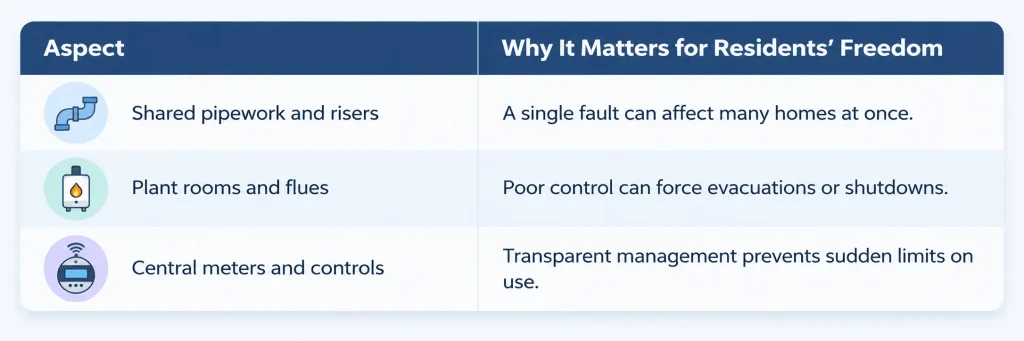
Clear documentation of routes, isolation valves, and emergency procedures enables swift action without blanket restrictions. Competent design minimises pressure drops and helps avoid arbitrary heating curfews or rationing. Where communal systems traverse private flats, access arrangements and notice periods should be agreed in writing so essential safety checks do not erode privacy or quiet enjoyment.
Which Gas Appliances Require Inspection?
Precisely which gas appliances need inspection in a UK apartment block depends less on their size and more on how they burn gas and vent fumes. Landlords and managing agents must guarantee that every fixed gas appliance they provide is checked by a Gas Safe registered engineer at appropriate intervals, typically annually.
This usually includes gas boilers, room‑sealed or open‑flued gas fires, gas water heaters, and built‑in or freestanding gas hobs and ovens supplied as part of the let. Any associated flues and chimneys, including those running through other flats or communal areas, also fall within the inspection scope.
Where a building has a centralised plant room, all boilers, meters, pipework, and safety devices within that system require regular inspection. Portable LPG heaters and appliances brought in solely by tenants generally sit outside the landlord’s legal duty, but responsible building management still treats them as a potential safety concern.
Managing Access to Flats During Inspections
When arranging gas safety checks in an apartment block, managing access to individual flats becomes as important as the inspection itself. Landlords and managing agents must balance legal duties with residents’ right to quiet enjoyment and control of their homes. Clear, respectful communication is essential: written notice setting out dates, times, purpose, and legal basis for entry allows occupants to plan without feeling coerced.
Flexible appointment windows, evening or weekend slots, and the option to reschedule help residents protect work, family, and personal commitments. Systems such as online booking, reminder texts, and named engineer details enhance trust and reduce missed visits.
Where access is refused or repeatedly missed, responsible management prioritises dialogue before escalation. Records of attempts, letters, emails, call logs, demonstrate that safety is pursued proportionately. Only as a last resort should landlords consider legal remedies, ensuring any action remains necessary, evidence‑based, and strictly limited to fulfilling statutory gas safety obligations.
Checking Flues, Ventilation and Gas Pipework
Effective access arrangements only serve their purpose if the gas system is examined methodically, including flues, ventilation and pipework in every flat and shared area. A competent Gas Safe engineer will visually trace flues from each appliance to their terminal, checking for continuity, corrosion, dislodged joints and signs of leakage into the building. Particular attention is paid to concealed or boxed‑in flues, which can silently compromise entire blocks if inspection hatches are missing.
Ventilation is assessed against appliance type, room size and building tightness. The engineer confirms permanent vents are present, unobstructed and appropriately sized, ensuring occupants can enjoy secure warmth without sacrificing fresh air or being forced to keep windows permanently open.
Gas pipework is inspected for correct routing, adequate support, protection from impact and corrosion, and compliance with current standards. Where older materials or questionable alterations are found, documentation and clear recommendations support informed, independent decisions by landlords and residents.
Testing Gas Tightness and Supply Pressure
Although visual checks reveal many issues, only formal testing of gas tightness and supply pressure confirms that a system is sound and safe to use. In apartment blocks, this testing is carried out by Gas Safe registered engineers using calibrated manometers and approved procedures set out in BS 6891 and IGEM standards.
They isolate each section of pipework, pressurise it, and then monitor readings for any pressure drop that would indicate a leak. This objective test protects residents’ right to live without hidden gas risks imposed by poor workmanship or ageing infrastructure.
Supply pressure testing checks that gas reaches each flat at a stable, adequate pressure, even at peak demand. Where pressures fall outside permitted tolerances, engineers must investigate regulators, meters, or shared risers. Proper certification of these tests provides traceable evidence that landlords and managing agents have not cut corners, supporting transparent, accountable building management.
Inspecting Appliance Safety Controls
Inspecting appliance safety controls guarantees that individual boilers, heaters, and cookers in apartment blocks respond correctly to abnormal conditions before they develop into hazards. A competent Gas Safe engineer checks that flame‑failure devices, thermostats, pressure switches, and overheat stats operate as designed, cutting gas or shutting the appliance when limits are exceeded. This disciplined inspection enables residents to live freely in their homes, without hidden mechanical faults undermining that freedom.
Key aspects include verifying manufacturer‑specified safety sequences, confirming reset mechanisms work, and ensuring controls have not been bypassed for convenience. Where access is limited, managing agents are expected to facilitate entry so that every flat benefits from the same standard of protection.
| Safety Control Focus | Purpose in Daily Use |
| Flame supervision | Stops unburned gas release |
| Overheat protection | Prevents runaway temperatures |
| Pressure controls | Maintain stable combustion |
| User interlocks | Discourage unsafe operation |
Identifying Unsafe Gas Conditions
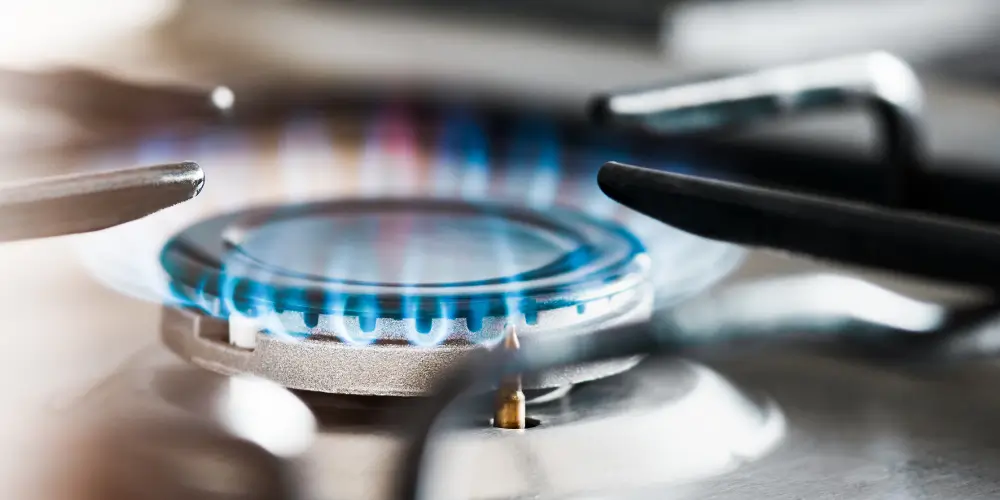
How can building owners and residents recognise when gas systems in an apartment block have moved from safe to potentially dangerous? They start by noticing changes: yellow or lazy burner flames instead of sharp blue, soot marks around appliances, or unfamiliar condensation and staining. A persistent smell of gas, even faint, signals immediate risk; freedom to live safely includes the freedom to step away and call the emergency number without hesitation.
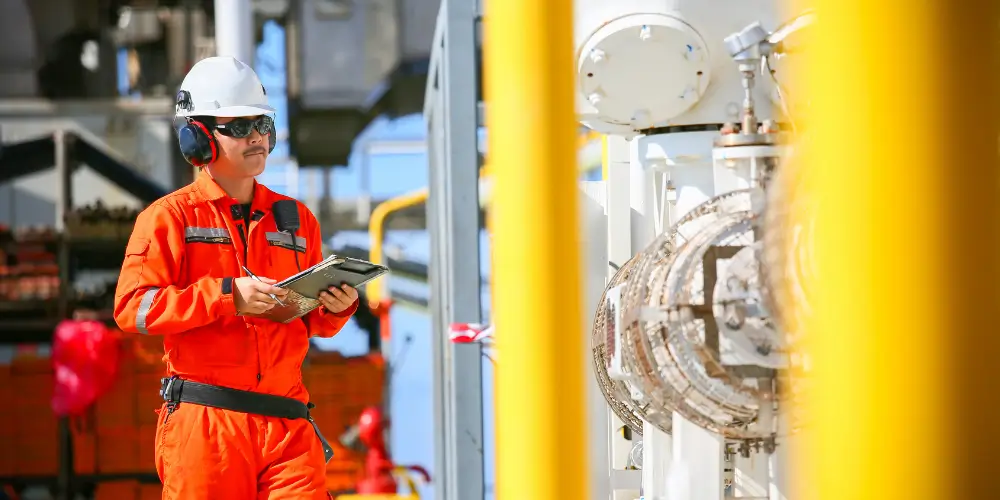
Professionals also watch for structural warning signs: damaged flues, poorly supported pipework, blocked vents, or appliances clearly altered by unqualified persons. In shared plant rooms, unusual noises, vibration, or overheating on pipework and boilers indicate developing hazards. Carbon monoxide alarms repeatedly activating, even with windows open, point to combustion problems. An environment committed to autonomy recognises that identifying these unsafe conditions early is the key step that allows residents to act decisively, protect others, and insist on competent remedial work.
Recording Inspection Results and Defects
Once unsafe gas conditions are recognised, their value is lost if findings are not captured accurately and systematically. Meticulous recording protects residents’ freedom to live safely without constant oversight, because clear evidence removes ambiguity and disputes. Competent inspectors consequently document each appliance, location, reading, and defect classification in a structured format that can be audited and shared.
A simple record might resemble:
| Item / Area | Observation Summary | Risk Level |
| Boiler – Flat 2B | Flue joint staining | Medium |
| Meter Room – Block A | Inadequate ventilation openings | High |
| Riser – 3rd Floor | Pipe corrosion, no gas escape noted | Medium |
| Hob – Flat 5D | Burner flame yellow-tipping | Medium |
| Boiler – Flat 1A | No visible defects | Low |
Digital systems are often preferred, giving time‑stamped entries, photo evidence, and traceable revisions that empower managers and residents alike.
Actions Required After Safety Issues Are Found
Translating recorded defects into timely, proportionate action is essential to protecting residents and meeting legal duties. Once an engineer flags an appliance or installation as “At Risk” or “Immediately Dangerous,” responsible persons must decide swiftly: shut down, repair, or replace. Freedom to enjoy a home safely depends on not postponing these choices.
Where a danger is immediate, gas supplies to affected equipment should be isolated without delay, with clear notification to residents explaining what has been done, why, and for how long. Landlords or managing agents then arrange competent engineers to carry out remedial work, prioritising hazards that threaten life, not cosmetic issues.
All steps, warnings, isolation, repairs, re‑inspection should be documented and linked to the original defect report. Clear records support transparency, protect residents’ rights, and demonstrate compliance to regulators, insurers, and, if needed, the courts, allowing people to live freely without hidden technical risks.
Frequently Asked Questions
Can Leaseholders Choose Their Own Gas Safe Engineer Instead of the Block’s Contractor?
Yes, leaseholders sometimes can choose their own Gas Safe engineer, but only if leases and building policies allow it; freeholders or managing agents may insist on the block’s contractor to maintain consistent safety, records, and liability control.
How Do Gas Safety Rules Differ for Short‑Term Lets Like Airbnb Within Blocks?
Gas safety rules tighten for short‑term lets: hosts become “landlords,” needing annual Gas Safety Records, stricter documentation, and clearer user instructions. Building rules still apply, but commercial‑style enforcement and liability increase, limiting casual, unregulated use of gas appliances.
Are Smart Gas Meters and Monitors Allowed, and Do They Affect Safety Responsibilities?
Smart meters and monitors are usually allowed and even encouraged, but they never replace legal gas‑safety duties. Owners and landlords still need annual checks, certifications, and clear emergency procedures, regardless of smart monitoring or remote disconnection features.
What Happens if a Resident Installs an Unapproved Gas Appliance Without Informing Management?
They breach tenancy and safety rules, remain personally liable for risks, and can face appliance disconnection, forced inspection, repair or removal costs, potential eviction, and prosecution. Management’s legal duties persist, but they may recover losses from the resident.
How Are Gas Safety Requirements Handled During Major Refurbishments or Conversions of Apartment Blocks?
Gas safety requirements during major refurbishments are managed through updated gas designs, Building Regulations compliance, Gas Safe‑registered contractors, pressure testing, ventilation checks, and commissioning certificates, ensuring residents retain freedom of use while systems remain legally safe, efficient, and independently verifiable.
Conclusion
In conclusion, effective gas safety for apartment blocks depends on clear responsibilities, thorough inspections and prompt action on identified risks. Landlords, managing agents and gas engineers must work together to guarantee all individual flats and communal systems meet legal standards. By securing tenant access, accurately recording findings and rectifying defects without delay, apartment blocks remain compliant, protect residents from gas-related hazards and support a safe, well-managed living environment for everyone.