
An EICR inspection checklist for London landlords explains how to prepare a property before the electrician arrives, so the five‑yearly test runs smoothly and meets legal requirements. It covers clear access to the consumer unit and meters, working fixed lights, reachable hard‑wired appliances, coordinated access to all rooms and having previous electrical paperwork to hand. It also highlights what electricians look for in sockets, wet areas and safety devices, setting the stage for safer, compliant rentals.
Key Takeaways
- Ensure clear access to the consumer unit, meters, fixed wiring, and hard‑wired appliances so the electrician can inspect without moving large items.
- Confirm that all rooms and locked areas are accessible on the day, and coordinate entry with existing tenants in advance.
- Test fixed light fittings and replace failed bulbs to allow proper inspection of lighting circuits and switches.
- Gather previous EICRs, installation certificates, and paperwork for reference, helping the electrician assess past work and existing issues.
- Check that smoke alarms and CO detectors are present, powered, and up to date, as life‑safety devices are reviewed alongside the fixed installation.
Table of Contents
EICR Basics For London Landlords
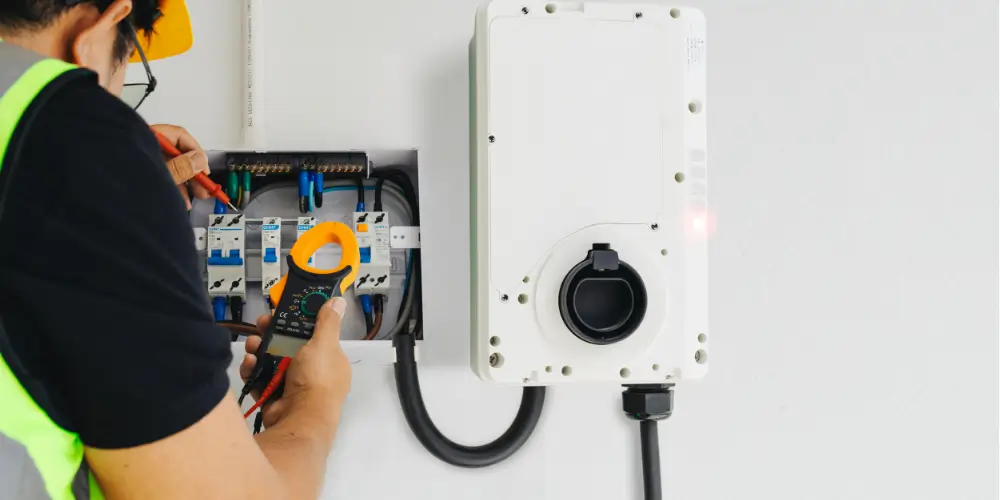
Many London landlords now recognise that an Electrical Installation Condition Report (EICR) is not just a compliance formality but a legal requirement and risk‑management tool. An EICR is a structured assessment of a property’s fixed electrical installation: wiring, consumer unit, protective devices, sockets, switches, and fixed light fittings. It does not cover portable appliances, which need separate checks.
During an EICR, a qualified electrician inspects and tests circuits to identify deterioration, damage, and non‑compliance with current safety standards. Findings are coded by severity, indicating whether issues present immediate danger, require urgent attention, or simply warrant improvement.
For London landlords, the EICR provides independent evidence that a property’s electrical system is safe for tenants. It also creates a clear action list so that remedial work can be prioritised. Understanding these basics helps landlords interpret reports accurately and plan maintenance, rather than reacting only when faults become disruptive or hazardous.
Your Legal EICR Duties And Renewal Rules
Since April 2021, almost all private rented homes in London have had to meet strict electrical safety rules for rented homes, placing clear EICR responsibilities on landlords. Legally, a landlord must guarantee a qualified person inspects and tests the fixed electrical installation at least every five years, or sooner if the report specifies a shorter interval. A valid EICR must be in place before a new tenancy begins and remain in place without gaps.
Landlords must give new tenants a copy of the latest EICR before they move in, and provide it to existing tenants within 28 days of the inspection. They must also supply the report to the local authority within seven days if requested. When an EICR identifies “unsatisfactory” items, landlords are required to carry out remedial or further investigative work within 28 days, or any shorter period stated, and then obtain and share written confirmation that the issues have been resolved.
Why Does the EICR Checklist Matter
An effective checklist matters because it connects compliance, safety, and peace of mind. It helps a landlord visualise what is being checked and why it matters to real people living in the property.
- A checklist reassures landlords that they are not missing hidden risks that could endanger tenants.
- It reduces last‑minute panic, replacing anxiety with a sense of control and preparedness.
- It strengthens trust: tenants feel valued, and landlords feel confident they have taken safety responsibilities seriously.
Quick EICR Prep Checklist
Before an electrician arrives to carry out the inspection, a landlord benefits from a checklist that makes the property quick and easy to assess. A practical first step is ensuring clear access to the consumer unit, meters, and any fixed electrical equipment by moving furniture and stored items. Keys for all locked cupboards or outbuildings containing electrical installations should be available.
Next, the landlord confirms that all rooms can be accessed, coordinating with tenants to avoid delays for the electrician. Bulbs in fixed light fittings should be working, allowing the electrician to see clearly and identify fittings.
Appliances that are hard‑wired, such as ovens or electric showers, should be left in place and accessible. Any previous electrical paperwork, past EICRs, electrical certificates, installation certificates, or minor works certificates should be gathered together. Finally, obvious damage, such as cracked sockets or broken switches, is noted so it can be highlighted during the visit.
Consumer Unit And Mains EICR Checklist
Confirm the consumer unit is accessible and not boxed in by furniture, stored items, or decorations. Any signs of overheating, scorching, or melting on or around the unit should be noted. The main switch and circuit breakers should be clearly labelled so circuits can be identified; if labels are missing or unclear, this is worth flagging.
Landlords can also check whether the unit is made of non‑combustible material (typically metal in modern installations) and whether there is obvious damage, missing covers, or exposed live parts. If there is a separate meter cupboard, it should be dry, tidy, and open, with any historical DIY wiring or alterations mentioned to the electrician.
Sockets, Switches, and Accessories EICR Checklist
Although sockets and switches may appear straightforward, they are among the most frequent sources of defects highlighted in an EICR. Before the electrician arrives, a landlord can conduct a simple visual inspection to identify obvious problems that may later result in C1, C2, or FI codes.
They should calmly walk through each room, noting anything that looks damaged, loose or overheated. Particular attention should be paid to older accessories, multi‑gang switches, and heavily used sockets near desks or media units.
A focused checklist might include:
- Cracked, discoloured or heat‑marked plates, missing screws, loose faceplates, or signs of arcing around switches and sockets.
- Broken or missing switch rockers, wobbly sockets, accessories obstructed by furniture, or units insecurely fixed to crumbling plaster.
- Excessive use of multi‑way adaptors or extension leads, sockets too close to obvious impact risks, and any accessory that feels warm or intermittently fails when operated.
Kitchen, Bathroom, and Wet Area EICR Checklist
As the EICR moves into kitchens, bathrooms and other wet areas, the inspection shifts to locations where water and electricity routinely coexist, and risk levels increase sharply. The electrician will pay close attention to the presence and condition of RCD protection on all circuits serving these rooms, as this is a primary defence against electric shock. They will also confirm that fittings are appropriately IP‑rated for their zone and not damaged or corroded.
In kitchens, particular focus is on fixed appliances, cooker circuits, under‑cabinet lighting, and outlets near sinks. Cable routes and connections are checked for heat, moisture or mechanical damage, and any signs of overloading or ad‑hoc DIY work are flagged.
In bathrooms and shower rooms, the inspector reviews compliance with zoning rules for baths and showers, including the positions of switches, lighting, shaver sockets, and any electric showers or towel rails. Bonding and earthing arrangements are also carefully verified.
EICR Checks For Smoke Alarms, CO, and Safety Devices
Moving beyond circuits and fixtures, the EICR also considers life‑safety devices such as smoke alarms, carbon monoxide (CO) detectors and other linked safety systems within the property. While the EICR is primarily an electrical report, the inspector will note whether these devices are present, sensibly located and electrically supplied in a way that is safe and reliable.
Landlords benefit from reviewing three emotional “what if” checks before the visit:
- What if a fire started at night? Are smoke alarms interlinked, tested regularly, and positioned along escape routes and in living areas?
- What if a boiler fault occurred silently? Is there a CO detector near gas appliances and bedrooms, powered correctly and within expiry date?
- What if power failed during danger? Are any mains‑powered alarms on a sound circuit, with visible test buttons and no signs of damage or tampering?
After Your EICR: Fixing C1–C3 Codes And Staying Compliant
Once the EICR has been completed and the report is in hand, a landlord’s priority shifts to understanding and resolving any C1, C2, or C3 codes to maintain legal compliance and protect tenants. Each code signals a different risk level and response time, so interpreting them correctly is essential.
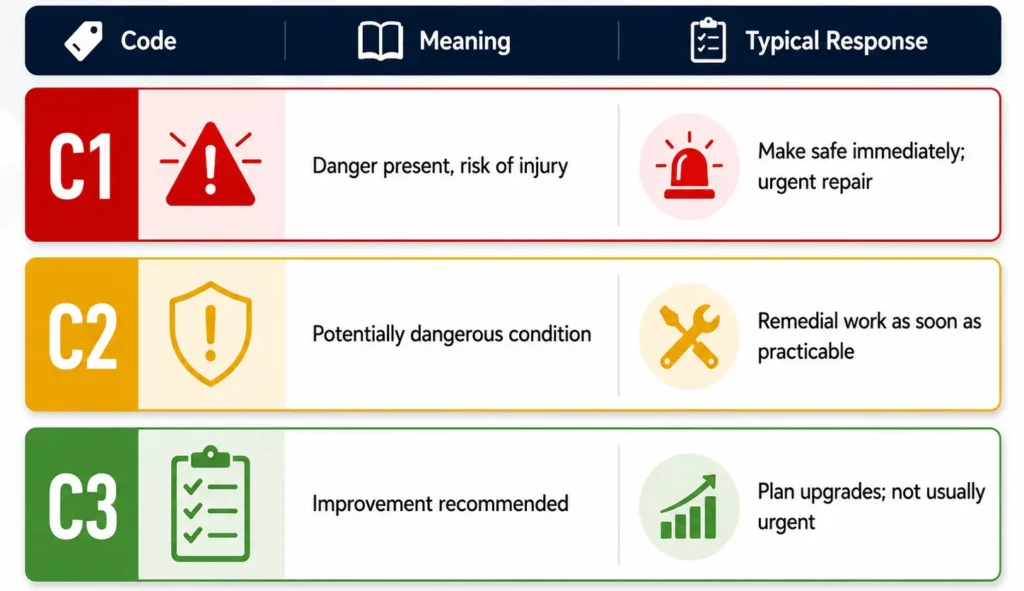
For London landlords, C1 and C2 issues must be fixed within 28 days, or sooner if stated, and a qualified electrician should provide written confirmation to keep with the EICR. C3 issues do not need to be fixed, but should be addressed during regular maintenance. Fixing problems early keeps tenants safe, lowers future costs, and makes future EICR inspections easier.
Frequently Asked Questions
What is included in an EICR inspection for rental properties in London?
An EICR inspects a property’s fixed electrical wiring, consumer units, sockets, switches, and protective devices. The electrician checks for damage, wear, and potential hazards. Findings are coded, and a report with recommended remedial actions is issued.
How often does a landlord need to carry out an EICR?
In the UK, landlords must carry out an EICR at least every five years or when a tenancy changes. This ensures the property meets legal safety standards. Some properties may need inspections sooner if electrical issues are identified.
What should landlords do to prepare before the electrician arrives?
Landlords should gather previous EICRs, certificates, and tenancy details. Ensure all rooms, lofts, and consumer units are accessible. Clear furniture or obstacles and provide keys, alarm codes, and safety instructions.
How long does an EICR inspection take for a typical UK property?
Most inspections take between 2–4 hours for an average home. The duration depends on property size, number of circuits, and any complications. Additional time may be needed if remedial work is identified during the inspection.
What happens if faults are found during an EICR inspection?
The electrician assigns codes based on urgency: C1, C2, C3, or FI. C1 and C2 faults require immediate or prompt remedial work. Landlords must arrange repairs and keep documentation to remain compliant with UK regulations.
Conclusion
For London landlords, a clear EICR inspection checklist turns a complex legal duty into a manageable routine. By understanding basic requirements, preparing the property before the electrician arrives, and knowing what will be inspected, they reduce the risk of failures, delays, and unexpected costs. Using the checklist to tackle C1–C3 issues promptly not only keeps tenancies compliant, but also protects tenants, prevents electrical hazards, and helps maintain a safe, reliable rental property portfolio.