
In England, landlords must obtain an Electrical Installation Condition Report (EICR) at least every five years, or sooner if a previous report recommends it or major electrical work has been done. Between EICRs, they should carry out routine visual and basic safety checks, often at each property visit and usually before a new tenancy starts. Older properties or heavy electrical use may justify inspections every 3–5 years, with further guidance available just ahead.
Key Takeaways
- Carry out informal visual electrical checks at every routine property visit between formal EICRs.
- Test RCD “test” buttons and check for damaged or scorched sockets and switches at least annually.
- Inspect more frequently (every 3–5 years) in older properties or where electrical use is heavy, even if the EICR interval is five years.
- Arrange immediate checks after major electrical work, flooding, fire, vandalism, or frequent breaker tripping.
- Review the last EICR date before new tenancies and consider a fresh inspection if usage patterns or installation condition have changed.
Table of Contents
What Is a Landlord Electrical Safety Check?
A landlord electrical safety check is a formal inspection and testing of a rental property’s fixed electrical installation to confirm it is safe for tenants to use. It focuses on wiring, sockets, lighting circuits, consumer units, and protective devices such as fuses and circuit breakers. The aim is to confirm that people can live and move freely in the property without facing hidden electrical hazards.
During a check, a qualified electrician assesses whether the installation meets current safety standards and is free from defects that could cause electric shock or fire. Tests may reveal loose connections, overloaded circuits, damaged accessories, or inadequate earthing. Findings are recorded in a written report, highlighting any dangerous or potentially dangerous issues. The check does not restrict how tenants use electricity; rather, it removes constraints created by unsafe systems, supporting secure, independent use of appliances and personal electrical equipment. Check the detailed process, What an EICR Involves and Why It’s Important.
How Often Must Landlords Arrange an EICR?
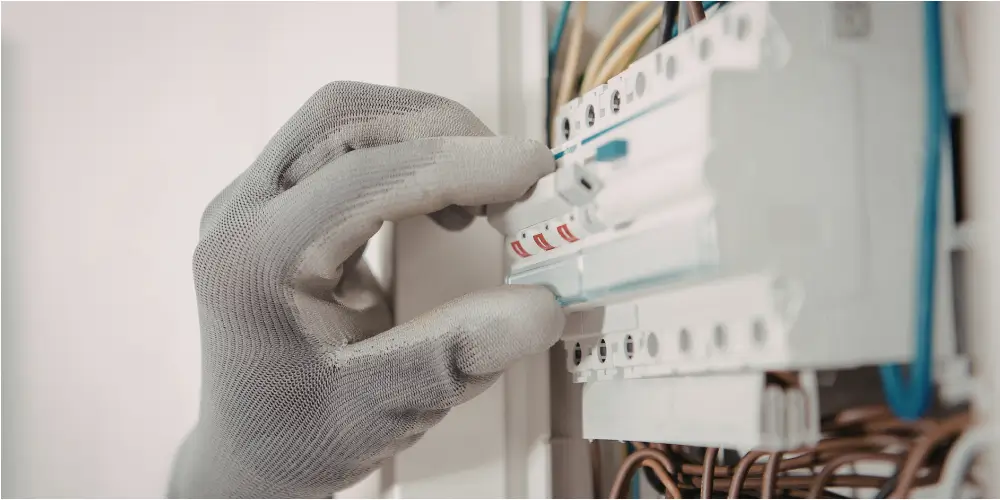
How frequently should an Electrical Installation Condition Report (EICR) be carried out for a rental property? Current regulations in England typically require an EICR at least every five years, or sooner if the report itself recommends a shorter interval. This rhythm aims to balance tenant safety with a landlord’s freedom to manage their property efficiently and predictably.
Landlords may also choose more frequent checks when they value peace of mind, run high‑turnover rentals, or operate older buildings where wear and tear on wiring is greater. A clear schedule keeps everyone informed and reduces the risk of surprise remedial work.
| Situation | Suggested EICR Interval |
| Standard private rental | At least every 5 years |
| Older or heavily used installation | Every 3–5 years |
| After major electrical upgrades | On completion, then per advice |
| Following serious electrical fault | Immediately after repairs |
| Landlord preference for assurance | Every 2–4 years |
Should Electrical Safety Be Checked Before Every New Tenancy?
Beyond setting a long‑term EICR schedule, landlords must also decide what to do at the start of each new tenancy. Legally, an existing in‑date EICR may be enough, yet many landlords prefer fresh checks whenever occupants change. Each tenancy introduces different lifestyles, electrical loads, and expectations; freedom from avoidable risk becomes a shared priority.
Checking electrical safety before every tenancy is not about box‑ticking, but about reducing uncertainty. A proactive approach offers clarity to both parties: tenants gain confidence to live freely in the space, and landlords gain assurance that systems remain within safe limits.
Landlords typically weigh three questions:
- How long ago was the last EICR and were any issues borderline?
- Has the property seen heavy use, alterations, or added appliances since then?
- Would a fresh check strengthen trust, minimise disputes, and support smooth, low‑interference living for the next tenants?
What Should Landlords Check Between Scheduled EICRs?
While full Electrical Installation Condition Reports are only required periodically, responsible landlords still have ongoing duties between formal inspections. They are expected to carry out basic visual checks that protect tenants’ freedom to live safely and independently in the property.
Between EICRs, landlords typically review accessible wiring, looking for damaged cables, loose fittings, scorch marks, or exposed conductors. They check sockets and switches for cracks, overheating, or signs of DIY alteration. Consumer units should be kept accessible, with clear labelling and no obvious signs of burning, water ingress, or tampering.
Landlords usually test RCD “test” buttons and encourage tenants to report tripping, buzzing, or flickering. Supplied appliances such as ovens, hobs, and white goods are examined for frayed flexes, broken plugs, or missing covers. They also keep records of reported issues, remedial work, and informal checks. Documented vigilance helps maintain safety without resorting to intrusive or excessive control.
When Is an Electrical Inspection Needed Earlier Than Five Years?
Sometimes circumstances change so considerably that a landlord cannot safely wait for the five‑year EICR cycle. Freedom to let property without anxiety depends on recognising these trigger points and acting before regulations force the issue. An early inspection is not about bureaucracy; it is about retaining control, protecting people, and preserving the value of the property.
Common situations that justify bringing an EICR forward include:
- Major renovation or rewiring – Any significant alteration to circuits, consumer units, kitchens, or bathrooms should be followed by a fresh inspection to confirm the whole system still works safely as one.
- Change of tenancy profile – A shift to HMOs, higher‑demand occupants, or more intensive appliance use can justify shortening the inspection interval.
- Damage or unusual events – Flooding, fire, vandalism, or serious DIY interference should trigger an immediate professional assessment, regardless of when the last EICR was completed.
Which Electrical Warning Signs Require Immediate Attention?
How can a landlord distinguish between minor quirks and serious electrical danger signals that cannot wait? The dividing line is simple: anything that suggests heat, burning, arcing, or loss of control demands rapid action. Frequent tripping of breakers or fuses, especially on the same circuit, points to overloading or faults that should be investigated without delay.
Tenants’ reports of buzzing, crackling, or humming from sockets, switches, or consumer units indicate possible loose connections or arcing. Discoloration, scorch marks, melted plastic, or warmth on outlets, light switches, or plugs are red flags for overheating.
A burning or “fishy” smell near electrical fittings, even if intermittent, must trigger an immediate shutdown of the affected circuit and urgent attendance by a qualified electrician. Flickering lights that persist after bulb replacement, shocks or tingles from metal appliances, and damaged cables or exposed conductors also require prompt, decisive intervention.
How Do Property Age and Condition Affect Inspection Frequency?
Age and condition of a rental property strongly influence how often its electrics should be inspected. Older buildings typically have wiring that has endured decades of use, DIY alterations, and changing electrical demands. Newer properties may be built to modern standards, but heavy usage and poor maintenance can still accelerate wear. Landlords who value flexibility and hassle‑free lets often find that more frequent checks preserve that freedom by preventing disruptive failures and disputes.
Key factors include:
- Property age – Pre‑1980s homes often contain outdated wiring, older consumer units, or limited circuits, all of which justify shorter inspection intervals.
- Visible wear and tear – Cracked sockets, discoloured switch plates, or damaged cable insulation indicate stressed systems needing closer monitoring.
- Intensity of use and history – HMOs, short‑lets, or homes with power‑hungry appliances, plus any record of past faults or alterations, should be inspected more often to keep risks and restrictions on everyone’s freedom low.
What Is the Difference Between Routine Electrical Checks and an EICR?
Although both aim to keep tenants safe and properties compliant, routine electrical checks and an Electrical Installation Condition Report (EICR) differ in scope, formality, and legal weight. Routine checks are informal, often visual inspections carried out more frequently to spot obvious wear, damage, or misuse. They allow landlords to act early, maintaining control over risks without waiting for a formal report.
An EICR, by contrast, is a structured, coded assessment of the fixed wiring, testing circuits and protective devices against current regulations. It must be completed by a qualified electrician and produces a written record that can be shown to tenants, insurers, or authorities, reinforcing the landlord’s position and accountability. Here is the complete EICR Inspection Checklist.
| Aspect | Routine Electrical Checks |
| Purpose | Quick safety assurance between EICRs |
| Level of detail | Visual, basic functional checks |
| Formality / Documentation | Informal notes; no standardised legal report |
What Happens If an EICR Finds Electrical Safety Defects?
When an EICR identifies electrical safety defects, it triggers clear legal and practical obligations for the landlord. The report will usually code issues as C1 (danger present), C2 (potentially dangerous), or C3 (improvement recommended). C1 and C2 findings mean the installation is unsatisfactory and action is mandatory, not optional.
Typically, the landlord must move quickly to stay compliant while keeping the property usable and safe for everyday life:
- Immediate risk control C1 defects require urgent action, sometimes including isolation of circuits or partial power shutdown until repairs are completed.
- Timely remedial work A qualified electrician must correct C1 and C2 issues within the statutory timeframe, then issue written confirmation or a new EICR.
- Evidence and communication Landlords should retain EICR reports and repair certificates, and provide copies to tenants or authorities on request, proving that risks are managed without unnecessary restrictions on normal living.
How Can Landlords Maintain Electrical Safety Throughout a Tenancy?
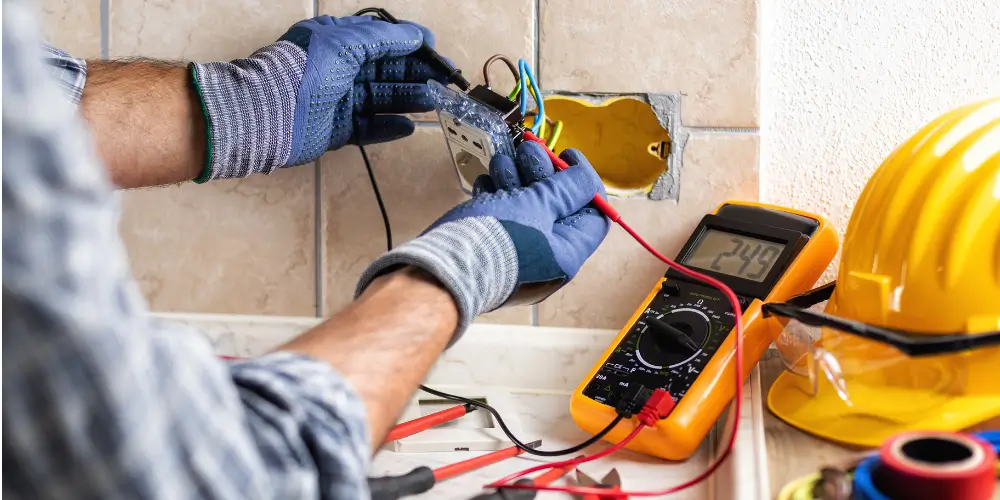
Maintaining electrical safety during a tenancy requires landlords to move beyond one-off inspections and adopt simple, consistent routines. Instead of relying solely on the five‑year EICR cycle, a responsible landlord schedules visual checks at each visit looking for damaged sockets, overloaded extensions, scorched fittings, or DIY alterations. These checks are light‑touch, preserving tenant autonomy while keeping risk in view.
Landlords can also provide tenants with straightforward guidance: how to use extension leads safely, why not to cover vents, and when to report burning smells, tripping breakers, or buzzing switches. Clear, non-patronising information empowers tenants to live freely while recognising hazards early.
Keeping concise digital records photos, repair dates, contractor details—helps show that issues are acted on quickly, not ignored. Finally, landlords should use only qualified electricians for remedial work and encourage tenants to report concerns without fear of blame, creating a cooperative culture around electrical safety.
Frequently Asked Questions
Can Tenants Request an Earlier Electrical Safety Check, and Can Landlords Refuse?
Tenants may request an earlier electrical safety check, but landlords can refuse unless legal duties or clear safety risks exist. Where hazards are evident, landlords must act promptly; empowered tenants can escalate concerns to local authorities or relevant enforcement bodies.
How Should Landlords Budget for Recurring Electrical Inspections Across Multiple Properties?
They forecast inspection cycles per property, ring‑fence a safety fund from monthly rents, and negotiate portfolio rates with electricians. They prioritise high‑risk blocks, track expiry dates centrally, and schedule grouped visits to cut costs and minimise disruption.
Are Electrical Safety Check Records Required for Landlord Insurance or Mortgage Compliance?
Yes, insurers and lenders often require up‑to‑date electrical safety records, though specifics vary by policy and lender. A landlord who preserves clear EICRs and remedial documentation gains leverage, smoother claims handling, and fewer obstacles to refinancing or portfolio expansion.
Do Furnished Properties Require Extra Electrical Checks on Supplied Appliances and Equipment?
Yes. Furnished properties typically need additional checks on all supplied appliances, often via PAT testing. Landlords remain responsible for safe operation, documented inspections, and swift removal or repair of any faulty equipment to protect occupants and reduce liability.
How Can Landlords Choose a Competent, Qualified Electrician for Pre‑Eicr Safety Checks?
Conclusion
In conclusion, maintaining electrical safety is an ongoing legal and moral responsibility for landlords, not just a five‑year EICR event. By arranging timely inspections, carrying out simple visual checks between tenancies, responding quickly to signs of deterioration, and keeping thorough records, landlords can protect tenants, reduce the risk of costly emergencies, and stay compliant. A structured approach to routine checks alongside formal EICRs guarantees rental properties remain safe, efficient, and fit for long‑term occupation.