
UK landlords must guarantee gas safety for flats to be let. They should make sure all gas appliances, flues, and pipework are installed, serviced, and annually safety-checked by Gas Safe registered engineers. They must respond promptly to reported faults, keep systems safe between tenancies, and maintain detailed records of checks and remedial work. A valid gas safety record (CP12) must be given to tenants within 28 days. Written access notices, flexible appointments, and clear documentation are essential, and the following sections explain each duty in more depth.
Key Takeaways
- Landlords must ensure all gas appliances, flues, and pipework in let flats are installed, serviced, and maintained only by Gas Safe registered engineers.
- An annual gas safety check (CP12) is legally required for every flat with gas appliances, with records kept and renewed at least every 12 months.
- Gas safety checks are required before re-letting if systems are new, altered, or unused, and for all flats served by shared gas systems.
- Landlords must give at least 24 hours’ written notice for inspections, offer reasonable appointment times, and document all access attempts.
- Tenants must receive a gas safety record within 28 days of inspection, with clear, secure, retrievable documentation retained for legal compliance.
Table of Contents
Gas Safety Duties for Flat Landlords
Although individual flats may feel self-contained, landlords retain clear and specific legal duties for gas safety throughout the building. The law does not permit them to step back and treat gas installations as the private domain of each occupier. Instead, they must actively manage risk so occupants can live freely without hidden threats from faulty appliances or pipework.
Core duties include ensuring that every gas appliance, flue, and associated pipework they provide is installed and maintained safely by Gas Safe registered engineers. Landlords must arrange regular professional servicing where appropriate, respond promptly to reports of suspected faults, and keep systems in a condition that does not endanger life or property. They must also retain evidence of compliance and act on any safety recommendations. These obligations apply regardless of the tenant’s knowledge, preferences, or willingness to arrange their own checks, limiting exposure to unacceptable, imposed risk.
When Flats Need a Gas Safety Check
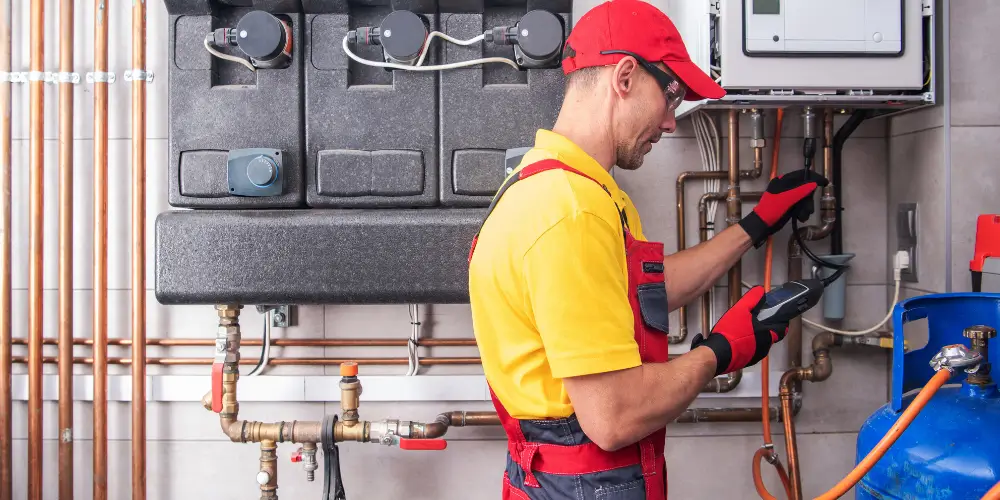
Having clear duties is only part of gas safety; landlords must also know exactly when formal checks are required in flats. In UK law, a gas safety check is compulsory at least once every 12 months for every let flat with gas appliances or flues. The deadline runs from the date of the last CP12 (Gas Safety Record), not from tenancy changes, so landlords cannot stretch intervals to gain extra time.
Checks are also required before re-letting if gas systems have been altered, newly installed, or left unused for a long period, even if the annual deadline has not yet expired. When a flat is between tenancies, the legal duty continues, because the property is still classified as “to let.” Shared systems serving multiple flats, such as a communal boiler, trigger checks for every affected flat. By timing checks correctly, landlords protect both legal freedom and tenant safety.
Preparing the Flat for a Gas Safety Check
Before any gas safety check can take place in a flat, clear arrangements for access to tenant-occupied properties are essential. Landlords must guarantee that engineers can safely reach all gas appliances, meters, and associated pipework within the agreed time window. This section explains the practical access requirements and the responsibilities of both landlords and tenants in facilitating a compliant inspection.
Access Requirements for Tenant Properties
When a flat is due for a gas safety check, clear and timely access to the property is essential for a safe and compliant inspection. Landlords must respect the tenant’s right to quiet enjoyment while still meeting legal duties. That balance depends on clear expectations and minimal disruption.
Access is typically coordinated through written notice and agreed times. Key requirements include:
- Provide at least 24 hours’ written notice, stating the purpose and proposed time window.
- Offer flexible appointment options, including evenings or weekends where possible.
- Guarantee the engineer can freely reach all gas appliances, meters, and ventilation points.
- Keep records of notices, responses, and attempted visits to demonstrate reasonable efforts.
Handled well, access safeguards both safety and personal autonomy. Find the more details here: How to Prepare for a Gas Safety Inspection: Checklist for London Landlords
Checking Gas Appliances in the Flat
Although modern gas systems are designed with multiple safeguards, each appliance in a flat still requires regular, methodical checks to remain safe and efficient. Landlords remain legally responsible for ensuring boilers, gas fires, cookers, and water heaters are examined by a Gas Safe registered engineer at least once every 12 months. This obligation underpins a tenant’s freedom to live without hidden, unmanaged risk. Check out Is Boiler Servicing Included? Gas Safety Check vs Boiler Service
A thorough appliance check typically includes verifying safe ignition, stable flame patterns, adequate ventilation, and correct operation of safety devices such as flame‑failure controls and thermostats. The engineer will also confirm that flues and chimneys serving each appliance are clear, correctly installed, and safely terminating away from windows and vents.
Landlords should retain records of appliance checks, share summaries with tenants, and act quickly on any advisory notes. Where an appliance is immediately dangerous, it must be isolated from use until fully repaired or replaced.
Inspecting Gas Pipework and Connections
How can gas pipework and its connections be overlooked, given that they carry fuel throughout a flat and silently define overall system safety? For landlords who value hassle‑free tenancies and minimal interference, regular visual inspection of pipework is the simplest way to prevent disruptive emergencies and interventions by authorities.
A competent Gas Safe registered engineer will typically:
- Confirm that exposed pipe runs are adequately supported, protected from impact, and routed clear of sharp edges or abrasion points.
- Examine joints, unions, and flexible connectors for visible signs of corrosion, mechanical damage, unauthorized alterations, or deterioration of seals.
- Check pipework passing through walls, floors, and cupboards to guarantee sleeving, ventilation, and clearances prevent hidden strain or heat damage.
- Review meter location and adjacent pipework to verify labels, emergency control valves, and access remain unobstructed for swift isolation.
Testing Gas Tightness and Gas Pressure
Because gas systems in flats operate out of sight for long periods, testing gas tightness and gas pressure provides the objective proof that pipework and appliances are sound, secure, and correctly supplied. For landlords who want freedom from avoidable emergencies and legal exposure, this testing is non‑negotiable and must be carried out by a Gas Safe registered engineer.
Routine tightness testing confirms the system is leak‑free at the meter and throughout the installation. Pressure testing verifies that appliances receive the correct supply to operate efficiently without strain or instability.
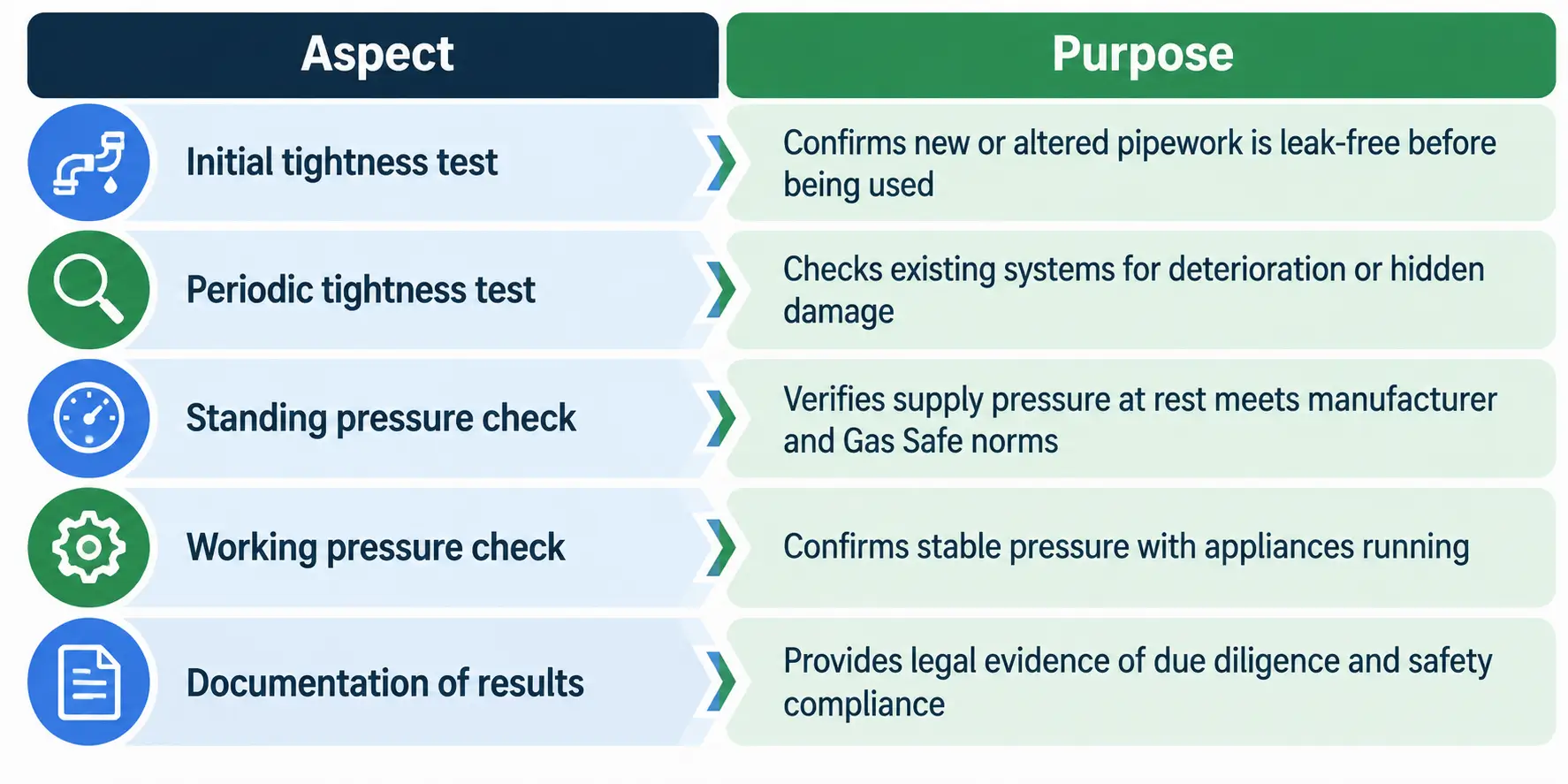
Reliable results allow occupants to enjoy their homes without constant anxiety about hidden gas risks.
Checking Flues and Ventilation Arrangements
Every gas‑heated flat depends on correctly designed and maintained flues and ventilation to remove combustion products and supply fresh air safely. For landlords, this is not just a technical detail but a legal and moral boundary that protects occupants’ freedom to live without hidden risk.
Gas Safe‑registered engineers will typically:
- Inspect visible flue sections for corrosion, loose joints, inadequate support, or signs of leakage, especially on concealed or shared flue systems common in blocks of flats.
- Confirm flue terminations discharge safely outside, with correct clearances from windows, balconies, and neighbouring properties, so combustion products cannot drift back indoors.
- Check permanent ventilation openings, under‑door gaps, and air bricks meet manufacturer and Building Regulations requirements for each appliance’s input rating.
- Assess for unsafe alterations, sealed vents, blocked chimneys, enclosed boilers, or new windows and insulation that compromise airflow, and advise landlords on remedial work and access arrangements.
Accurate records support ongoing compliance and tenant confidence.
Testing Safety Devices and Controls
Testing safety devices and controls is the stage where a gas safety check moves from visual inspection to proving that protection systems actually work under real conditions. At this point, the engineer confirms that, if something goes wrong, the system automatically limits risk so occupants can live freely without hidden hazards.
Key devices include flame‑supervision components, overheat stats, gas shut‑off valves, and carbon monoxide (CO) alarms. Each is tested using manufacturer procedures, not guesswork, to demonstrate that faults trigger safe shutdown or clear warnings.
| Device / Control | Purpose | Typical Test Action |
| Flame‑failure device | Stops gas if flame is lost | Interrupt flame, confirm rapid gas cut‑off |
| Overheat thermostat | Protects appliances from overheating | Simulate high temp, check burner shutdown |
| CO alarm with test button | Warns of dangerous CO accumulation | Use test button, verify sound and indicators |
For landlords, documented functional tests show that safety measures are active, not theoretical, supporting both compliance and tenant autonomy.
Identifying Gas Safety Defects
Once safety devices have been proved functional, attention turns to identifying any defects that could compromise safe operation in a flat. At this stage, a competent gas engineer focuses on faults that might limit a resident’s autonomy over their heating, hot water, and cooking, or threaten their safety.
Typical checks include:
- Combustion quality and flue integrity – Signs of incomplete combustion, damaged or poorly supported flues, and inadequate terminal clearances.
- Ventilation and air supply – Blocked vents, sealed air bricks, or alterations to windows and doors that restrict combustion air.
- Gas soundness and pipework condition – Leaks, corrosion, unsupported pipe runs, or unsafe alterations by unregistered individuals.
- Appliance condition and installation – Incorrect clearances, damaged casings, missing seals, or flexible connections used where rigid pipework is required.
Each defect is assessed against current UK gas safety standards, ensuring that any constraint on safe, independent living is identified and rectified.
Recording Gas Safety Inspection Results
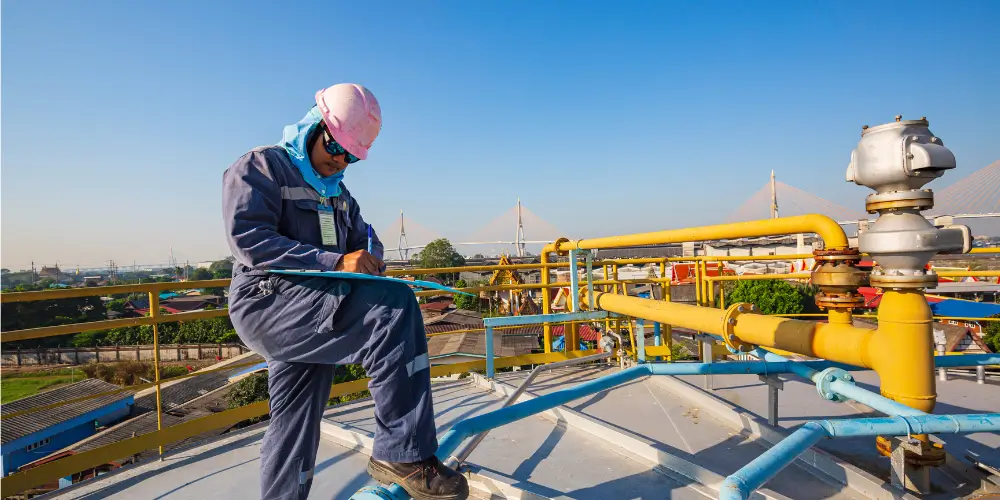
After defects have been identified and safety devices confirmed as functional, the findings must be recorded in a structured, compliant manner. UK landlords retain freedom of operation only when their records show clear evidence of control: accurate dates, locations, and outcomes for every appliance and flue. The Gas Safety (Installation and Use) Regulations 1998 require keeping a formal gas safety record, whether in digital or paper form, provided it is secure, legible, and retrievable.
A disciplined format helps avoid ambiguity:
| Element | Requirement |
| Property and appliance ID | Full address, flat number, and precise appliance description |
| Engineer details | Name, Gas Safe registration number, and signature or authenticated approval |
| Test results | Measured readings, pass/fail status, and identified defects |
| Remedial actions and dates | Work required, completion date, and confirmation of restored safety |
Consistent documentation protects both residents’ autonomy and the landlord’s legal position.
Providing the Gas Safety Record to Tenants
Although accurate records are essential, they only fulfil their purpose when shared correctly with occupants. UK landlords must provide tenants with a copy of the gas safety record within 28 days of the inspection, or before new tenants move in. This transparency allows people to choose how they live, fully informed about the safety of the space they occupy.
To keep the process simple and empowering, a landlord should:
- Provide a written or digital copy of the latest gas safety record to every tenant, including sharers.
- Guarantee digital copies are accessible without special software and are easy to store or forward.
- Retain proof of issue, email logs, signed acknowledgements, or dated letters, for legal defence and continuity.
- Reissue updated certificates promptly after each annual check, so tenants always hold current information.
Clear, timely sharing supports both legal compliance and tenants’ freedom to make confident decisions.
Frequently Asked Questions
Can I Install My Own Gas Hob in a Rented Flat?
They legally cannot install their own gas hob in a rented flat. UK rules demand a Gas Safe registered engineer. DIY gas work risks leaks, invalidated insurance, eviction, prosecution, and potential manslaughter charges if someone is harmed.
Who Pays for Remedial Gas Works After a Failed Safety Check?
The landlord normally pays for remedial gas works after a failed safety check, because they must provide safe appliances. Tenants usually only pay if damage is clearly their fault, proven beyond doubt, and stated in the tenancy agreement.
Are Smart Gas Meters and Monitors Covered by Landlord Gas Safety Regulations?
Smart meters and standalone monitors aren’t directly covered by landlord gas safety regulations; landlords must instead guarantee annual gas safety checks, safe appliances, and pipework. Any smart kit is optional, provided core legal safety duties remain fully met.
What Happens if My Tenant Refuses Access for the Annual Gas Inspection?
If a tenant refuses access, the landlord must keep proving “reasonable attempts” to arrange entry, document notices and appointments, avoid forcing entry, and may ultimately seek a court order, balancing legal safety duties with the tenant’s autonomy and privacy. Here is the detailed guide for Can a Tenant Refuse a Gas Safety Inspection? Legal Requirements Explained
Do Gas Safety Requirements Differ for Short‑Term Holiday Lets in Flats?
Yes, broadly similar rules apply, but short‑term holidays usually fall under “landlord” duties and sometimes extra health‑and‑safety expectations. Hosts must guarantee annual gas checks, records, and safe appliances, even for occasional Airbnb‑style use of a flat.
Conclusion
In conclusion, gas safety for flats relies on landlords understanding and meeting their legal duties. By arranging regular gas safety checks, preparing properties properly, and ensuring all appliances, pipework, and safety devices are thoroughly inspected, they help protect tenants and the building as a whole. Accurate records and prompt sharing of the Gas Safety Record with tenants further demonstrate compliance, promote trust, and reduce the risk of dangerous gas-related incidents.