
This guide covers “no valid EICR landlord checklist”. A landlord without a valid EICR must first check if the last report is in date, covers the whole installation, and that all C1, C2 and FI issues are fully fixed and evidenced. Letting this risks fines up to £30,000, enforcement notices, invalid insurance, mortgage breaches and liability for electrical accidents. If the last EICR was unsatisfactory, a new satisfactory report is essential before letting, and the next steps clarify how to get compliant.
Key Takeaways
- Confirm whether any existing EICR is still valid (within 5 years, covers the whole installation, issued by a registered contractor, no unresolved C1/C2/FI items).
- Do not let the property until an EICR is obtained and all urgent or further investigation codes are fully remedied and documented.
- Understand that letting without a valid EICR risks civil penalties up to £30,000, insurance refusal, lender breaches, and potential legal liability.
- Assume electrical remedial work is outstanding if you lack clear invoices, certificates, or written confirmation that all EICR defects are completed.
- After remedials, obtain and securely store the new satisfactory EICR, and provide a copy to new tenants before any tenancy begins.
Table of Contents
Check Whether Your EICR Is Still Valid
How can a landlord be certain an existing Electrical Installation Condition Report (EICR) is still valid? They start with the basics: confirm the inspection date is within five years, or a shorter interval if the report explicitly requires it. They then check that the report covers the whole installation for the specific property being let, not just a single circuit or past configuration.
Next, they verify the electrician’s details and that the contractor is registered with a recognised scheme and competent for periodic inspection work. Any listed C1, C2, or FI items must have documented remedial work and written confirmation of satisfactory completion.
They also ascertain there have been no significant alterations since the report; such as new circuits, consumer unit changes, or major refurbishments that would invalidate earlier conclusions. Finally, they keep the EICR and all follow‑up certificates easily accessible, ready to demonstrate up‑to‑date electrical safety. Read our blog post Out of Date EICR Fine: Can I Be Fined if My EICR Is Out of Date? If you have an expired EICR certificate.
Risks of Letting Without a Valid EICR
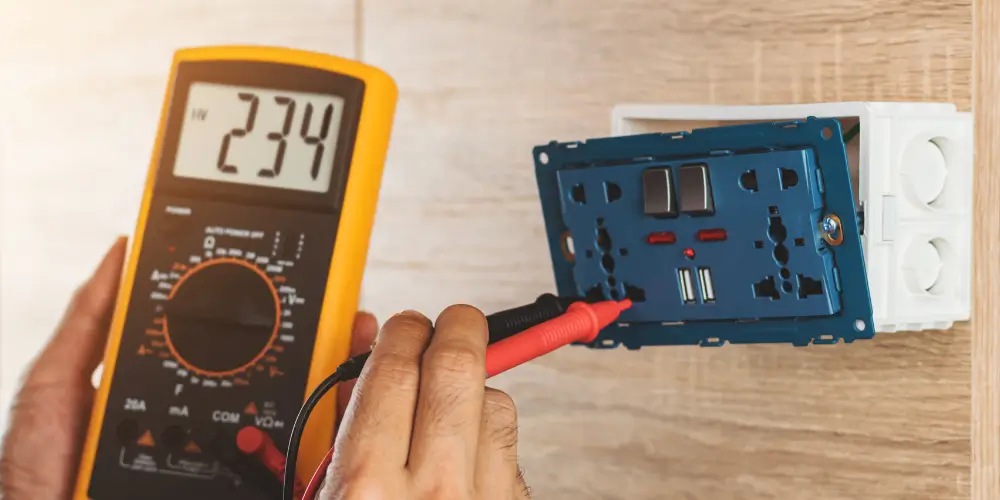
Although an Electrical Installation Condition Report might seem like paperwork, letting a property without a valid EICR exposes a landlord to serious legal, financial, and safety risks. In England, local authorities can impose civil penalties of up to £30,000 for non‑compliance with The Electrical Safety Standards in the Private Rented Sector (England) Regulations 2020. Councils may also serve enforcement notices, demand urgent testing, and, in persistent cases, pursue prosecution.
Insurers can refuse claims where no valid EICR exists, leaving the landlord personally liable for fire, electric shock, or property damage costs. Mortgage conditions may be breached, risking repossession. If a tenant is injured or killed due to electrical faults, the landlord may face criminal charges under housing and health and safety law, plus substantial civil claims.
Reputational harm, loss of reliable tenants, and increased scrutiny from regulators further restrict a landlord’s freedom to operate.
Check for Outstanding Electrical Remedial Work
Before listing a property, a landlord should confirm whether any remedial work flagged on the latest EICR remains outstanding. The report will identify specific circuits, accessories, or consumer unit issues that require correction, improvement, or further investigation. Ignoring these items restricts a landlord’s freedom to let on their own terms, because unresolved defects can later trigger enforcement, disputes, or urgent emergency works.
A disciplined approach is simple: obtain the latest EICR, list every coded observation (C1, C2, C3, FI), and cross-check against invoices, certificates, or email confirmations from electricians. Where evidence is missing, the landlord should assume the work has not been done. If remedial tasks span multiple trades (for example, joinery after rewiring), a clear sequence and completion dates should be agreed.
What If the Previous EICR Was Unsatisfactory?
An unsatisfactory EICR immediately narrows a landlord’s options, because it confirms that the installation does not currently meet the required safety standard. At this point, the report is a constraint on their ability to let, but also a roadmap to restoring freedom to rent without anxiety or legal exposure. The landlord must treat every C1, C2, and FI code as non‑negotiable evidence that the system is unsafe or uncertain.
They should step back and ask what the report really signals:
- The property cannot lawfully or safely be treated as “ready to let” until defects are addressed.
- Any attempt to ignore the findings risks enforcement action, civil claims, and serious moral responsibility.
- Insurance protection, lender conditions, and local authority expectations may all depend on taking the report seriously.
In short, an unsatisfactory EICR is not the end of letting plans, but it is a firm pause button.
Arrange a New EICR Before Letting
Once remedial work from an unsatisfactory EICR is completed, the next step is to obtain a fresh report that confirms the installation is now safe. Before advertising or signing any tenancy, a landlord should actively book a new EICR with a qualified, competent electrician who is approved to carry out periodic inspection and testing.
They should make it clear that the previous report was unsatisfactory, provide evidence of completed remedial work, and request a full re-inspection rather than a quick visual check. Agreeing the scope, price, and likely timescale upfront helps avoid delays that could restrict the landlord’s ability to let freely.
The new EICR should be scheduled early enough to allow any further issues to be resolved without pressure from incoming tenants’ move‑in dates. By securing a compliant report in advance, a landlord protects their right to let without last‑minute legal, financial, or practical obstacles. Here is the guidance for Pre-Tenancy Electrical Safety Checks Every Landlord Should Do.
Check the EICR Report Before the Tenancy
Every landlord should carefully review the new EICR before a tenant moves in, rather than simply filing it away. Checking the report protects their freedom to let the property without hidden electrical risks or surprise enforcement action. They should confirm the report is recent, clearly legible, and issued by a qualified and registered electrician.
Key points to verify include:
- The overall assessment states the installation is “satisfactory,” with no unresolved C1 or C2 observations and no FI codes left open.
- Any remedial works listed have been completed, with evidence such as invoices or a follow‑up report noting corrected defects.
- The inspection date, next inspection due date, and property address are correct, matching the tenancy start and the actual premises.

Provide the EICR to the New Tenant
Providing the EICR to the new tenant is both a legal obligation and a practical step in demonstrating that the property’s electrics are safe. In England, landlords must supply a copy of a satisfactory, in‑date EICR to new tenants before the tenancy begins. This allows tenants to see exactly what has been inspected, what was found, and when the next inspection is due.
The document should be given in a clear, accessible format, usually as a PDF by email or through a secure online portal, so tenants can keep it and refer to it whenever they choose. Landlords should highlight the inspection date, outcome, and any noted remedial work, so tenants know the true condition of the installation. Providing the report openly helps avoid disputes, supports informed consent to the tenancy, and respects the tenant’s right to understand the safety of the home they are choosing to live in. Explore the EICR Report Checklist: What Should Be Included in an EICR Report?
Keep Evidence of Electrical Compliance
After supplying the EICR to the tenant, a landlord must also keep clear, traceable evidence that the property’s electrics comply with legal requirements. This record‑keeping protects their ability to rent without interruption, challenge unfair claims, and show regulators that they take safety and autonomy seriously.
Key documents should be stored securely, ideally in both digital and physical form:
- Latest valid EICR, previous EICRs, and any Electrical Installation Certificates for new circuits or consumer unit changes
- Invoices, photos, and completion notes for remedial works or upgrades confirming that “unsatisfactory” items were put right
- Correspondence with electricians, tenants, and agents showing when reports were shared and issues addressed
Accurate evidence lets a landlord move quickly switching agents, refinancing, or regaining possession, without being blocked by missing paperwork. It also proves that, when challenged, they acted responsibly and gave tenants a safe environment with minimal restrictions on everyday living.
Frequently Asked Questions
Do I Need an EICR for Company Lets or Rent-To-Rent Arrangements?
Yes, an EICR is still generally required for company lets and rent-to-rent in England. Law focuses on tenancy use, not contract labels, so safety duties usually apply. Insurers and lenders also expect up‑to‑date electrical certification.
Are Serviced or Holiday Lets Legally Required to Have an EICR?
Serviced or holiday lets usually require an EICR if classed as rented residential or house in multiple occupation; even when not strictly mandated, safety law and insurance conditions effectively make a current, satisfactory EICR essential.
Does Building Control Sign-Off Remove the Need for an EICR?
No. Building control signs‑off never removes the need for an EICR. It confirms compliance at construction, not ongoing safety. Landlords still need periodic inspection reports to prove continued electrical safety and protect their freedom from enforcement risks.
How Do EICR Rules Apply to HMOS With Live-In Landlords?
EICR duties for HMOs hinge on whether an AST exists. For live‑in landlords with true lodgers, mandatory five‑year EICRs typically don’t apply, though safety law still bites; once separate tenancies arise, full regulations usually engage.
Can I Require Tenants to Contribute to EICR or Remedial Costs?
They usually cannot lawfully require tenants to pay for EICR or remedial works; safety compliance rests on the landlord. Any cost‑sharing clause risks being unfair, unenforceable, and could invite regulatory scrutiny or tenant challenge.
Conclusion
By following no valid EICR landlord checklist, a landlord can confidently let a property knowing electrical safety duties are met. Ensuring a valid EICR, completing any remedial work, and understanding the implications of an unsatisfactory report all reduce legal and financial risk. Verifying the report before the tenancy, providing it to new tenants, and keeping thorough compliance records together form a clear, defensible approach to meeting UK electrical safety regulations in rental properties.