
A pre-tenancy electrical safety check helps landlords prove compliance and protect tenants. It starts with a valid EICR, review of previous records, and visual inspection of sockets, switches and visible wiring. The consumer unit, circuit protection and RCDs are tested, while appliances are checked for damage, correct fuses and safe casings. Smoke and carbon monoxide alarms are tested and positioned correctly. Any urgent defects are fixed before move-in, and the following sections explain each step in more detail.
Key Takeaways
- Ensure you have a valid, in-date EICR, with all C1, C2 and FI issues identified, remedied, and documented by a qualified electrician.
- Carry out a room-by-room visual check of sockets, switches, wiring, and supplied appliances for damage, overheating, DIY alterations, or signs of overloading.
- Test RCDs and other circuit protection devices, and confirm the consumer unit is clearly labelled, undamaged, and free from signs of overheating.
- Install, correctly position, and test smoke and carbon monoxide alarms, checking batteries and expiry dates before the tenant moves in.
- Record and safely store all inspection reports, certificates, and evidence of remedial work to demonstrate legal compliance and support future inspections.
Table of Contents
How Landlord Safety Check Can Help
Landlord Safety Check streamlines pre-tenancy electrical safety compliance by providing thorough, documented inspections carried out by qualified electricians. The service is structured to help landlords understand exactly what has been tested, why it matters, and what actions may be required. Each inspection follows current regulations and recognised industry standards, giving landlords a clear framework rather than vague reassurance.
The process typically begins with an assessment of the existing electrical installation to identify visible defects, damage, or signs of wear. Fixed accessories such as sockets, switches, and light fittings are checked for condition and correct operation. Protective devices and basic earthing arrangements are also verified where appropriate, helping to confirm that the installation is functioning as intended.
Afterward, landlords receive clear written findings. Issues are described in straightforward language, with practical recommendations. This allows landlords to make informed decisions, plan remedial work, and demonstrate a responsible approach to electrical safety.

Check the Latest EICR Before Tenants Move In
Before new tenants take possession of a property, the most recent Electrical Installation Condition Report (EICR) should be checked to confirm it is still valid, compliant, and accurately reflects the current state of the installation. Landlords need to verify the inspection date and ascertain the report is within its recommended review period, usually five years for rented homes, or sooner if the electrician has specified a shorter interval.
Attention should be given to the EICR coding of any defects. Codes C1 and C2 indicate immediate or potentially dangerous issues that must be rectified before occupation. FI (Further Investigation) items also require resolution, as they signal uncertainty about safety.
A landlord should retain written evidence of completed remedial work, ideally in the form of installation or minor works certificates linked to the EICR. This documentation demonstrates that risks have been addressed and helps prove compliance if questioned by local authorities or insurers.
Inspect Sockets, Switches and Visible Wiring
A visual check of sockets, switches and exposed wiring provides an immediate indication of whether an installation is safe for occupation. Landlords are not expected to perform technical testing, but they should notice obvious defects before tenants move in. Damaged accessories can suggest deeper issues that require a qualified electrician.
Landlords can walk through the property and methodically review:
- Sockets – Look for cracks, scorch marks, loose fronts, missing screws and signs of overheating. Test that plugs fit firmly and that no socket is wobbling or pulling away from the wall.
- Switches – Check for smooth operation, secure fixing and no buzzing or crackling sounds when operated. Discolouration may indicate heat damage.
- Visible wiring – Inspect flexes to appliances and any exposed cable for cuts, fraying, taped joints or compression under furniture or carpets.
- Environment – Note sockets or switches in damp areas, overloaded adaptors or extensions, and any DIY alterations that look inconsistent or untidy.
Test the Consumer Unit and Circuit Protection
Turning attention to the consumer unit and circuit protection helps confirm whether the property’s electrical system can safely handle faults. Before a tenancy begins, a qualified electrician should open the consumer unit (fuse box) and visually check for signs of overheating, damage, loose connections, or outdated rewirable fuses. They verify that circuits are clearly labelled, enabling quick identification of supplies to key areas such as kitchens, bathrooms, and outdoor equipment.
They then test each protective device—typically circuit breakers and, where present, combined devices that provide overcurrent protection. Using calibrated test equipment, they measure whether breakers trip within the required time when subjected to simulated fault conditions. Results are compared with current wiring regulations and recorded on an Electrical Installation Condition Report (EICR). Any inadequate breaking capacity, incorrect ratings, or missing protection on particular circuits should be rectified before tenants move in, ensuring a robust first line of defence.
Confirm RCD Protection Is Working Properly
Confirming that Residual Current Devices (RCDs) operate correctly is essential to reducing the risk of electric shock and fire before a tenancy starts. RCDs constantly monitor the flow of electricity and disconnect the circuit quickly if they detect a fault, such as current leaking to earth through a person or damaged wiring.
To guarantee RCD protection is working properly, a landlord should:
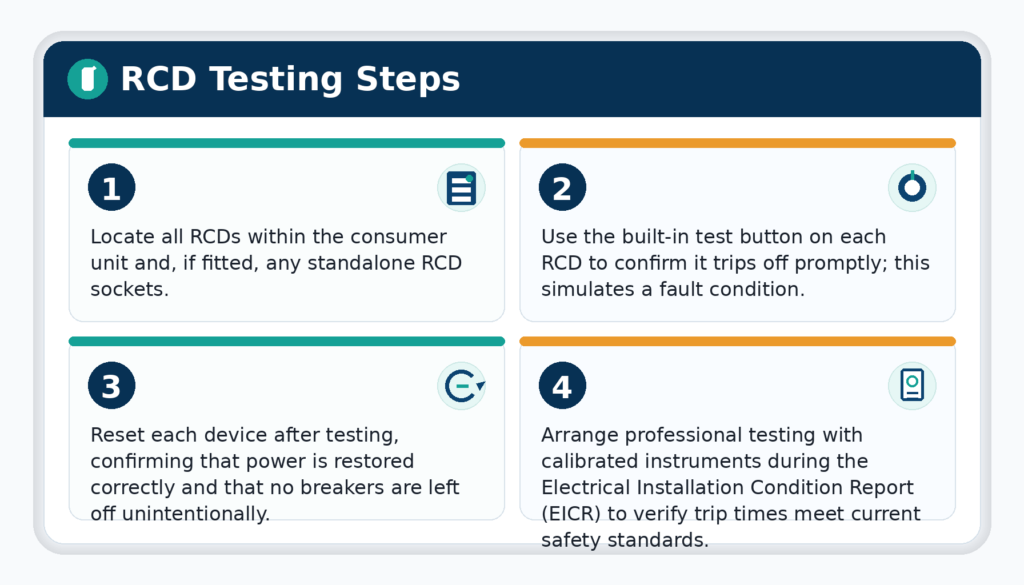
Thorough RCD checks demonstrate proactive electrical risk management.
Check Lights, Fittings and Fixed Electrical Points
Several straightforward checks of lights, fittings and fixed electrical points help verify the installation is safe and functional before tenants move in. A landlord should first operate every light switch to confirm that each fitting responds reliably, without flickering or delay. Bulbs or lamps that fail to illuminate may indicate a simple replacement is needed, but persistent non‑operation suggests further investigation by a qualified electrician.
Ceiling roses, pendant fittings and downlights should be confirmed as firmly secured, without visible gaps around their mounting points. Where shades or diffusers are fitted, they should be intact and positioned correctly so they do not interfere with ventilation or access.
All fixed electrical points, such as sockets, fused spurs, cooker outlets and connection plates, should be checked to verify they are securely fixed to the wall, level, and undisturbed by previous decoration or furniture movement, helping maintain reliable everyday use.
Look for Signs of Overheating or Electrical Damage
While only a qualified electrician can diagnose faults, a landlord can still watch for clear visual and tactile signs of overheating or damage on accessible electrical equipment. This does not replace professional inspection, but it helps identify obvious risks before tenants move in.
Key checks include:
- Discolouration or scorch marks Brown, yellow, or black marks on sockets, switches, or surrounding walls may indicate excessive heat or arcing.
- Heat or unusual warmth Plates, switches, or extension blocks that feel hot, rather than just mildly warm, may signal overloading or poor connections.
- Cracks, melting, or brittleness Cracked faceplates, melted plastic, or brittle cable sheathing show physical or heat-related damage that should be investigated.
- Smell of burning or buzzing sounds A persistent burning smell, or buzzing and sizzling from outlets or consumer units, suggests urgent attention is needed.
Any of these observations should prompt isolation of the circuit where possible and immediate contact with a competent electrician.
Make Sure Appliances Are Safe to Use
After checking fixed wiring and outlets for obvious signs of damage, attention should turn to the appliances that will actually be plugged into those circuits. Any item supplied with the property—such as kettles, toasters, fridges, washing machines, or heaters—should be visually inspected before a new tenancy begins.
A landlord should check that plugs are undamaged, pins are straight, and fuses are correctly rated as stated on the appliance label. Power leads should be flexible, without cuts, fraying, or joints wrapped in tape. The casing must be secure, with no exposed internal parts, scorch marks, or loose controls.
Where an appliance has a metal case, it should have a three‑pin plug with an earth connection unless it is clearly marked as double‑insulated. Portable Appliance Testing (PAT) by a competent person is strongly recommended for older, repaired, or high‑load appliances, with clear labelling and a record kept for future reference.
Check Smoke Alarms and Carbon Monoxide Alarms
A critical part of pre‑tenancy electrical safety is confirming that smoke alarms and carbon monoxide (CO) alarms are correctly installed, positioned, and functioning. These devices provide the earliest possible warning of fire or dangerous gas build‑up, giving occupants crucial time to escape. Landlords should verify that all alarms comply with current legal standards and manufacturer guidance.
To carry out effective checks, a landlord should:
- Test each alarm using the built‑in test button and replace batteries where required.
- Confirm the correct number and placement of alarms, including on each storey and near sleeping areas.
- Check expiry dates printed on the units; replace any alarm that is past, or close to, its end‑of‑life date.
- Verify CO alarms are fitted in every room containing a fuel‑burning appliance, positioned as instructed.
These steps reduce risk, demonstrate due care, and help guarantee incoming tenants move into a safer home.
Review Electrical Safety Records and Certificates
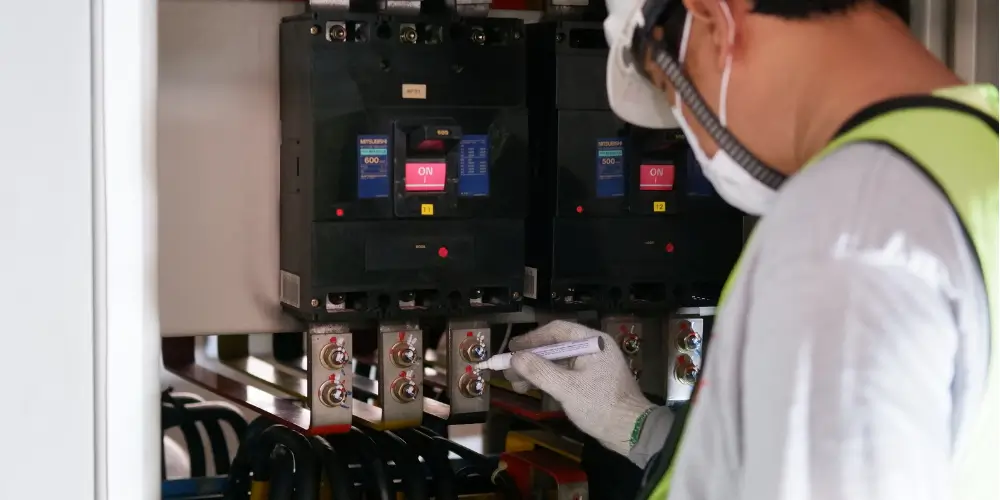
Why is a meticulous review of electrical safety records and certificates so important before a new tenancy begins? It confirms that inspections and tests have been carried out correctly and recently enough to remain valid. A landlord who examines these documents can see when the last Electrical Installation Condition Report (EICR) was completed, what its outcome was, and when the next inspection is due.
They should look for clear dates, the electrician’s details, and evidence of proper qualifications. Any noted “observations” or “departures” help them understand the condition of the installation and any recommended actions. Records for alterations or new circuits, such as Electrical Installation Certificates or Minor Works Certificates, demonstrate that changes were installed to an appropriate standard. Check: How Long Does an Electrical Certificate Last?
Keeping these documents organised, accessible, and up to date supports compliance with legal duties, simplifies communication with tenants, and provides a useful reference point for future inspections and maintenance planning.
Fix Urgent Electrical Issues Before the Tenancy Starts
Once the paperwork highlights problems or recommended actions, attention must turn to actually remedying any urgent electrical issues before a tenant moves in. At this stage, safety and legal compliance outweigh convenience or cost. Any defect classed as “unsatisfactory” or “danger present” on an Electrical Installation Condition Report (EICR) must be addressed before the tenancy starts, not after.
Landlords should prioritise:
- Immediately dangerous faults – exposed live parts, burning smells, scorched sockets, or frequent tripping indicating serious underlying defects.
- Damaged or outdated equipment – cracked sockets, loose switches, broken light fittings, or obsolete fuse boxes that no longer meet current standards.
- Inadequate earthing and bonding – missing or faulty protective conductors that could allow metal parts to become live.
- Unsafe temporary or DIY wiring – makeshift extensions, incorrectly joined cables, or visible signs of amateur work.
Using a qualified electrician and retaining updated certificates demonstrates responsible management and protects future occupants.
Frequently Asked Questions
How Often Should I Repeat Pre-Tenancy Electrical Safety Checks for Existing Tenants?
They should normally repeat full electrical safety checks at least every five years, or at change of tenancy. However, if issues arise, significant alterations occur, or local regulations demand, more frequent inspections and documentation become necessary.
Can Tenants Legally Refuse Access for Scheduled Electrical Safety Inspections?
Tenants can refuse access initially, but most jurisdictions allow landlords reasonable entry for safety inspections with proper notice. Persistent refusal may breach tenancy terms, risking legal action or eviction, though landlords must avoid harassment and usually seek court orders if disputed.
What Insurance Implications Arise From Skipping Pre-Tenancy Electrical Checks?
Skipping pre-tenancy electrical checks can invalidate landlord insurance, reduce liability coverage, and jeopardise claims for fire or injury. Insurers may argue negligence or policy breach, leading to refused payouts, higher future premiums, and potential personal exposure to legal costs.
Who Pays for Remedial Electrical Work Discovered During Pre-Tenancy Checks?
Typically, the landlord pays for remedial electrical work, since they must provide a safe, compliant property. Tenants rarely contribute unless damage was clearly their fault, and costs cannot usually be passed on through rent without proper legal justification.
How Do Pre-Tenancy Electrical Checks Differ Between HMOS and Single-Let Properties?
Pre-tenancy electrical checks differ mainly in scope: HMOs usually face stricter standards, more frequent inspections, enhanced emergency lighting requirements, and closer scrutiny of communal areas, whereas single-let properties typically follow baseline regulations focused on individual dwelling safety.
Conclusion
By carrying out these key pre-tenancy electrical safety checks, a landlord can greatly reduce risks and demonstrate clear commitment to tenant welfare. Confirming a valid EICR, inspecting visible wiring and equipment, and ensuring RCDs, smoke alarms and CO alarms function correctly all help prevent dangerous faults. Documented records and prompt repairs before move-in not only protect occupants and property, but also support legal compliance and smoother, more professional tenancies.