
This guide helps you to explore care home gas safety requirements. In UK care homes, owners and managers must guarantee all gas appliances and pipework are safely installed, maintained and annually checked by Gas Safe registered engineers, with clear records kept. Common appliances include boilers, water heaters, catering and laundry equipment, and sometimes generators. Regular inspections, safe ventilation, secure controls and clear responsibilities are essential, especially for vulnerable residents. Robust documentation, risk assessments and informed engineer selection underpin compliance and stronger protection for residents and staff, as outlined further below.
Key Takeaways
- Care home owners must ensure all gas installations and appliances comply with the Health and Safety at Work Act 1974 and Gas Safety Regulations 1998.
- Only Gas Safe registered engineers may install, service or repair gas appliances, and their qualifications must match the specific type of gas work required.
- Annual gas safety checks on all appliances, pipework and flues are mandatory, with written records kept for at least two years.
- Regular risk assessments, clear emergency procedures, and documented roles for owners, managers and agents are essential for safe gas management.
- Gas safety controls must consider vulnerable residents, limiting their access to appliances and integrating specific precautions into individual care plans.
Table of Contents
Gas Safety Duties for Care Home Owners
Although gas safety in care homes is supported by external engineers and regulators, the legal duty to secure a safe gas installation ultimately rests with the care home owner. That duty arises under the Health and Safety at Work etc. Act 1974 and the Gas Safety (Installation and Use) Regulations 1998, which expect owners to act as informed controllers of risk rather than passive clients of contractors.
Owners must guarantee that all gas work is carried out by Gas Safe registered engineers, that written records of installation, maintenance, and fault‑finding are kept, and that clear lines of responsibility exist between owners, managers, and any managing agents. Regular risk assessments must be documented, updated, and used to shape working practices and emergency procedures. Owners also need written policies that show staff how to report concerns quickly, so hazards are dealt with before they restrict residents’ safety, dignity, or independence.
Gas Appliances Used in Care Homes
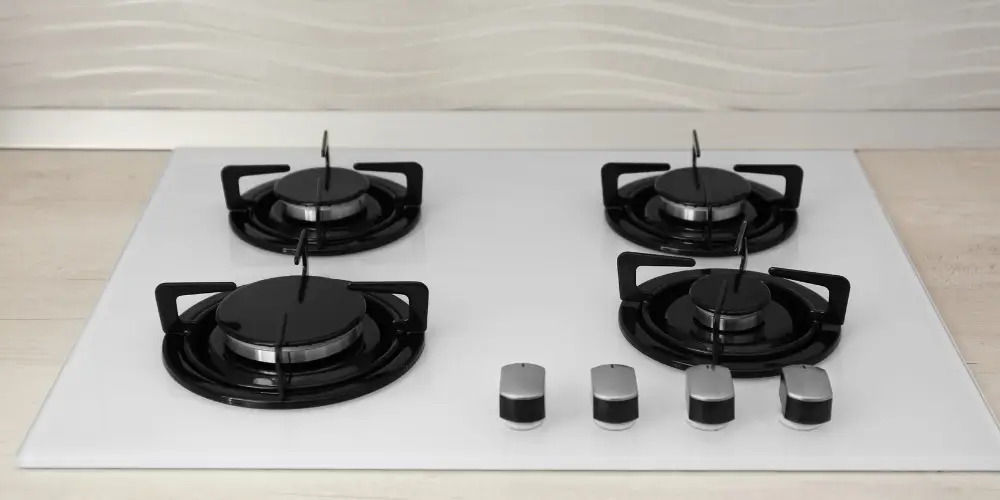
Gas appliances in care homes typically include boilers for space heating and hot water, gas‑fired water heaters, laundry equipment, catering ranges and ovens, and, in some cases, gas‑powered standby generators. Each type brings specific risks and operating constraints that owners and managers must understand to preserve both safety and residents’ autonomy.
Boilers and water heaters must deliver reliable comfort without exposing residents to combustion products or scalding; this requires correctly sized appliances, effective ventilation, and appropriately designed flue routes. Gas tumble dryers and irons in on‑site laundries introduce ignition risks where lint and cleaning chemicals are present, so well‑planned layout and robust housekeeping become essential safeguards.
In catering areas, gas hobs, ovens, and grills support flexible meal choices but also create open flames, hot surfaces, and elevated CO levels if poorly managed. Gas‑powered generators, where installed, secure continuity of care during power cuts while adding fuel‑storage and exhaust‑management considerations.
Annual Gas Safety Checks
While safe installation and day‑to‑day operation are essential, formal annual gas safety checks provide the structured assurance regulators expect in care settings. For UK care homes, these checks are a legal requirement under the Gas Safety (Installation and Use) Regulations 1998, not an optional extra. Management retains responsibility, even when maintenance is outsourced.
An annual check confirms that boilers, fires, cookers, pipework, and flues are operating safely and efficiently, with combustion tested, ventilation confirmed, and visible defects identified. This disciplined rhythm of review supports the freedom to run a flexible, person‑centred service without fearing hidden gas risks.
Records of each check must be kept for at least two years and made available to regulators, insurers, and, where appropriate, residents or their advocates. Clear documentation typically includes the inspection date, appliances checked, test results, and any remedial actions required, allowing managers to plan remedial work on their own terms. Read our blog post Why Annual Gas Safety Checks Are Essential for Landlords and Homeowners? To explore the benefits of annual gas safety checks.
Choosing a Gas Safe Registered Engineer
Annual checks only carry weight in a care home if they are carried out by a competent, legally recognised professional, which in the UK means an engineer listed on the Gas Safe Register. Owners and managers who value autonomy over their estate start by verifying an engineer’s registration online, confirming both identity and licence number. They then check which categories of work the engineer is qualified for, ensuring these match every type of gas appliance on site.
A freedom‑minded provider does not rely on logos alone. They request evidence of public liability insurance, recent training, and experience in multi‑occupancy or vulnerable‑resident settings. Written quotes and clear terms prevent disputes that could restrict day‑to‑day operations. Finally, they look for an engineer who explains findings plainly and respects staff routines. This partnership allows management to make informed decisions quickly, maintaining safety without unnecessary disruption or outside interference.
Checking Gas Appliances and Pipework
Systematic checks of gas appliances and pipework form the backbone of reliable safety in a care home. Regular inspection allows owners and managers to protect residents’ autonomy by preventing failures before they escalate into crises. Every gas appliance, boilers, cookers, laundry equipment, heaters, must be examined to confirm it operates within manufacturer and regulatory limits, with clear records kept for accountability and future planning.
Routine checking typically focuses on:
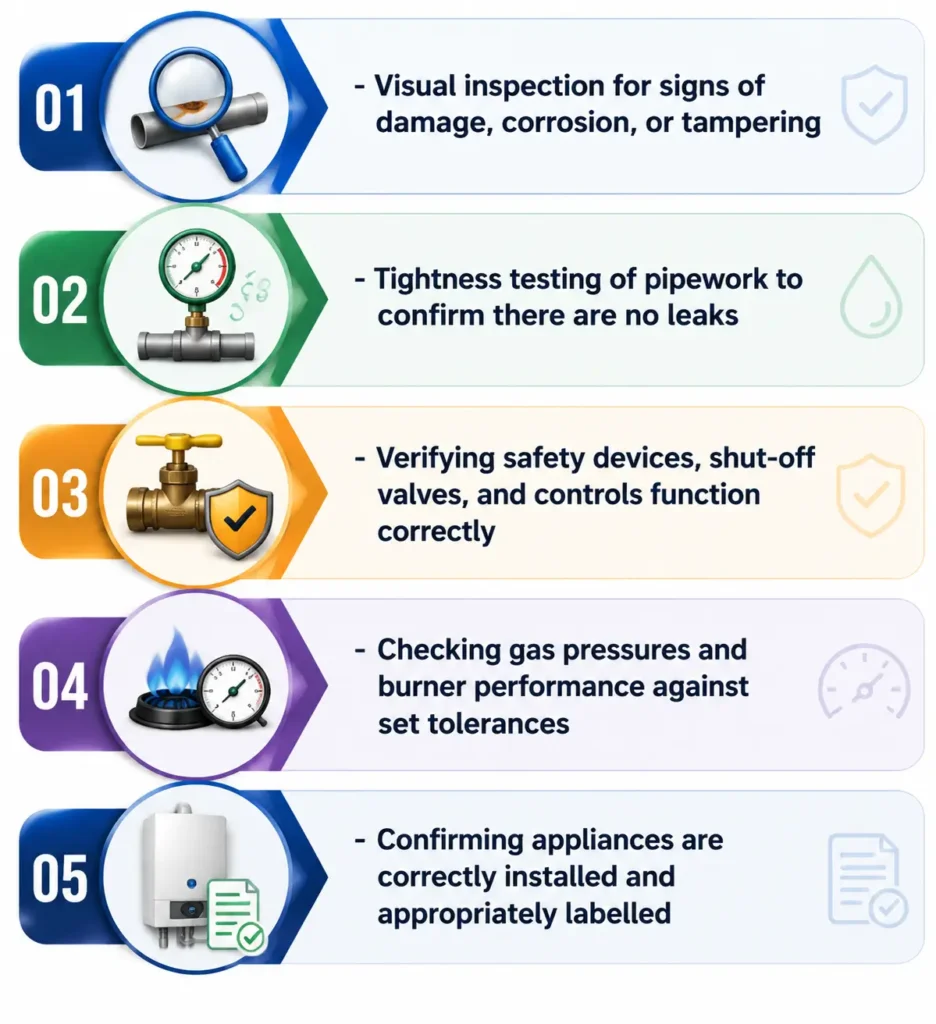
These checks should align with a planned maintenance schedule, not informal, ad‑hoc visits. A disciplined approach gives care homes greater operational freedom, reduces downtime, and demonstrates that risk is being actively managed, not left to chance.
Flues, Ventilation and Combustion Safety
Even when appliances and pipework are in good condition, combustion remains unsafe if flues and ventilation are inadequate. In a care home, these systems protect residents’ freedom to move, sleep and socialise without hidden threats from carbon monoxide or depleted oxygen.
Owners and managers must guarantee every gas appliance has a correctly sized, unobstructed flue that discharges safely outdoors and is accessible for inspection. Terminal positions must comply with UK standards, keeping products of combustion away from windows, walkways and outdoor seating areas.
Ventilation must be permanent, tamper‑resistant and matched to the appliance’s input rating. Blocking vents to “keep warm” or “reduce draughts” must be actively discouraged through clear policies and staff training. Any signs of spillage, staining around appliances, condensation or persistent stuffiness should trigger immediate investigation by a Gas Safe registered engineer, who will verify flue integrity, combustion performance and air supply before appliances are returned to service.
Gas Safety in Resident Accommodation
Resident accommodation presents distinct gas safety challenges because residents may be frail, confused, or unable to recognise danger. Owners and managers must balance safety with residents’ right to independence, ensuring systems are robust without feeling oppressive or institutional.
Gas appliances in bedrooms, bedsits, and lounges must be appropriately sited, regularly serviced, and easy to isolate in an emergency. Clear, accessible escape routes are essential, particularly where mobility is limited. Where possible, controls and safety features should be unobtrusive, allowing residents to move freely and use their rooms as private living spaces.
Key considerations include:
- Locating gas heaters and fires away from beds, furniture, and oxygen equipment
- Installing CO alarms that are interlinked and tested routinely
- Using tamper‑resistant controls where confusion or interference is likely
- Providing simple, visible instructions for staff and residents who wish to self-manage
- Ensuring room layouts support quick evacuation without restricting day‑to‑day freedom
Gas Safety in Kitchens and Utility Areas
Although kitchens and utility areas are controlled environments, gas use in these spaces presents some of the highest risks in a care setting due to open flames, high heat output, and frequent staff activity. Managers are expected to guarantee all gas cooking appliances, dryers, and boilers are installed, commissioned, and serviced by Gas Safe registered engineers at intervals that meet manufacturer instructions and UK legislation.
Clear, unobstructed ventilation is essential. Extraction systems, interlocks, and automatic gas shut-off valves should function reliably, with documented testing and prompt repair of faults. Staff must be free to work efficiently, but within a disciplined framework: pre-use checks, immediate reporting of defects, and strict adherence to ignition and shutdown procedures.
Portable gas equipment is generally discouraged; if used, it requires robust controls and secure storage. Written procedures for out-of-hours use, cleaning, and emergency shutdown help maintain safety without imposing unnecessary constraints on day‑to‑day operations.
Protecting Vulnerable Residents From Gas Risks
Protecting vulnerable residents from gas risks requires controls that go beyond standard technical compliance, focusing on supervision, environment design, and individual risk assessment. Owners and managers must balance safety with residents’ freedom of movement, choice, and privacy, particularly where cognitive impairment, mobility issues, or mental health needs increase exposure to harm.
A person-centred approach considers who can safely use gas appliances, under what conditions, and with what adaptations. Practical measures may include:
- Limiting access to gas appliances for residents with confusion or unsafe behaviours, while offering safe alternatives.
- Installing secure controls, such as lockable valves or key-operated isolation, without making spaces feel institutional.
- Using clear visual cues, simple instructions, and intuitive layouts to reduce misuse of gas equipment.
- Increasing staff presence and observation at peak times, especially around shared kitchens or activity spaces.
- Integrating gas safety into individual care plans, ensuring residents understand rules and choices wherever capacity allows.
Keeping Gas Safety Records Up to Date
In addition to person-centred controls around gas use, care homes must maintain accurate, current records to demonstrate that equipment is safe and that responsibilities are being met. Up‑to‑date documentation allows owners and managers to run services confidently, without the drag of uncertainty or last‑minute compliance panic.
They should keep a clear schedule of all gas safety checks, service dates, and renewal deadlines, supported by certificates from Gas Safe registered engineers. Records need to show what was inspected, any defects found, and how and when those defects were remedied. Storing documents digitally, with automatic reminders, helps avoid missed inspections and frees managers from relying on memory or paper files.
Inspection reports, risk assessments, staff training logs, and incident records should be retained for regulatory and insurance purposes. When records are organised and current, managers gain more space to focus on residents’ independence, choice, and daily quality of life.
Frequently Asked Questions
How Do Gas Safety Requirements Differ Between New-Build and Converted Care Homes?
They differ mainly in legacy constraints. New-build homes follow current gas standards from inception, with modern ventilation and plant rooms. Converted homes must retrofit compliant systems, manage older pipework, flues and access, while proving risk assessments and remedial upgrades.
Are Temporary Gas Heaters Allowed During Boiler Breakdowns in Care Homes?
Yes, but only under strict limits: care homes may use hired, professionally installed, room‑sealed gas heaters, risk‑assessed, ventilated and CO‑monitored, with vulnerable residents supervised, clear escape routes, and usage kept temporary until the main boiler is safely restored.
What Gas Safety Training Should Non-Maintenance Care Staff Receive?
Non-maintenance care staff should receive basic gas awareness training: identifying gas appliances, recognising leaks or carbon monoxide symptoms, operating emergency shut‑off valves, evacuation and reporting procedures, safe ventilation practices, and understanding boundaries never adjusting appliances or performing repairs themselves.
How Should We Manage Gas Safety During Major Refurbishment Works?
They should isolate gas supplies, use Gas Safe–registered contractors, and agree on a written safety plan. Clear zoning, ventilation checks, temporary shut‑offs, hot‑work permits, and daily inspections protect residents’ freedom of movement while keeping risks tightly controlled.
What Are the Gas Safety Considerations for Emergency Generators Using Gas Fuel?
Gas-fuelled emergency generators demand certified installation, robust ventilation, explosion-rated pipework, automatic gas shut-off, leak detection, backflow protection, and disciplined maintenance, alongside documented risk assessments, staff training, emergency isolation procedures, and periodic independent inspections to keep residents safe while preserving operational autonomy.
Conclusion
To sum up the care home gas safety requirements, effective gas safety management in UK care homes depends on clear duties, competent Gas Safe registered engineers and consistent maintenance. Owners and managers must guarantee annual checks, safe use of all appliances and robust procedures in both resident areas and kitchens. By prioritising the residents, monitoring pipework and emergency controls, and keeping accurate, up-to-date records, care homes can meet legal duties, reduce risks and provide a safe, compliant environment for everyone on the premises.