
How much does a gas safety check cost? A gas safety check in the UK typically costs £60–£100 for one appliance, with extra appliances adding about £10–£30 each. This usually covers inspecting appliances, pipework, flues, and issuing a Gas Safety Record (CP12). Prices vary by location, engineer, urgency, and whether it’s a landlord or homeowner check. Landlord certificates often fall between £60 and £120. Understanding how appliance number, timing, and provider affect cost helps people know what to expect next.
Key Takeaways
- A standard annual gas safety check in the UK typically costs £60–£100 for one appliance, with CP12 certificates usually £60–£120 total.
- Each additional gas appliance generally adds £10–£30 to the base price of the safety check.
- Location, timing (emergency or out-of-hours), and engineer type (sole trader vs large firm) can significantly influence the overall cost.
- The fee usually covers appliance inspection, flue and pipework checks, leak tests, pressure and combustion checks, and issuing a Gas Safety Record (CP12).
- Landlords are legally required to obtain annual checks and provide tenants with a valid certificate, so comparing fixed, itemised quotes helps secure a fair price.
Table of Contents
Average Gas Safety Check Cost
While prices vary by region and provider, the average cost of a standard gas safety check in the UK typically falls between £60 and £100 for a single appliance, with additional appliances often adding £10–£30 each. This range reflects what most homeowners and landlords pay when they are free to choose among independent engineers and larger firms.
In major cities, especially London and the South East, prices often sit at the upper end of the scale, while smaller towns and rural areas may see lower fees. Landlords arranging checks for multiple properties or appliances sometimes negotiate reduced per‑appliance rates, gaining more control over ongoing costs.
Those who plan ahead, compare quotes, and avoid last‑minute emergency bookings usually secure the best value, keeping compliance affordable without feeling locked into a single provider or pressured into unnecessary extras.
What Is Included in the Cost?
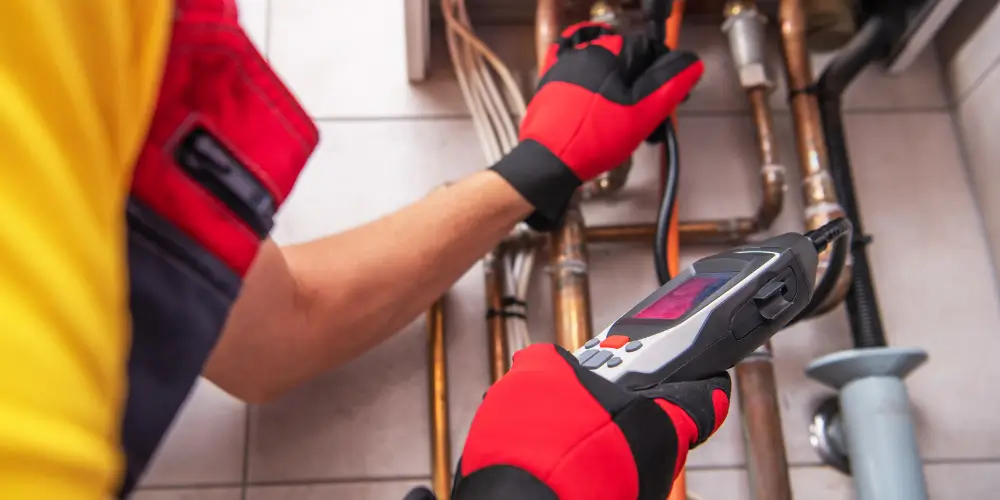
The core of the cost is the engineer’s time to inspect all gas appliances listed in the booking, such as boilers, fires, and hobs, confirming they operate safely and efficiently. A standard fee normally includes visual checks of pipework and flues, tests for gas leaks, and verification of ventilation and flame quality. The engineer will usually check gas pressure and combustion performance with calibrated equipment, then confirm that emergency shut-off valves are accessible and functional.
The price also typically covers the issue of a Gas Safety Record (CP12) for landlords or an equivalent certificate for homeowners, summarising findings and any urgent hazards. This document provides proof of compliance and outlines recommended remedial work, allowing occupants to act quickly and keep full control over future decisions.
Factors That Affect Gas Check Prices
Several key variables influence how much a gas safety check costs in the UK, and they can cause prices to vary more than many expect. The type and number of gas appliances is usually the starting point: a single combi boiler in a flat will cost less to inspect than multiple boilers, gas fires and hobs spread across a large property.
Location matters too. Urban areas with high demand and higher operating costs often see steeper prices, while some rural engineers may charge extra for travel time.
The timing of the visit can also shift the fee. Evening, weekend, or urgent appointments typically command a premium, whereas flexible daytime slots may be cheaper.
Finally, the engineer’s qualifications, experience, and business model influence price. Sole traders might charge differently to larger firms, and some providers bundle checks with servicing or maintenance plans, altering the apparent standalone cost.
Landlord vs Homeowner Gas Safety Check Costs
The cost of a gas safety check depends on whether the property is rented or owner occupied, as landlords have legal duties while homeowners arrange checks voluntarily. For landlords, a Gas Safety (CP12) check typically costs around £60–£120 for a standard boiler and hob in one property, with prices increasing for additional appliances, multiple meters, or larger HMOs. Portable gas appliances supplied with the tenancy, such as gas fires or space heaters, may add around £10–£30 per appliance. Missed appointments, emergency visits, and out of hours callouts can also increase the final cost.
Homeowners usually pay around £60–£100 for a routine gas safety check on a standard boiler, although prices vary depending on location, engineer experience, and the type of property. Unlike landlords, homeowners are not legally required to obtain an annual Gas Safety Certificate, but many choose regular checks to maintain safety, identify issues early, and reduce the risk of unexpected repair costs.
Landlords often look for fixed price plans or maintenance packages to manage annual compliance costs and benefit from priority appointments. Homeowners may prefer flexible pay as you go checks, comparing local Gas Safe registered engineers and booking during quieter periods to secure better value.
The main cost differences include:
- Legal requirement: Landlords must arrange annual gas safety checks for rental properties, while homeowners arrange checks by choice.
- Property size and appliances: Larger properties, HMOs, and additional gas appliances increase inspection costs.
- Booking options: Landlords may benefit from planned maintenance packages, while homeowners often prefer flexible one off checks.
- Engineer selection: Local independent engineers may offer competitive prices compared with larger national providers.
Explore Why Annual Gas Safety Checks Are Essential for Landlords and Homeowners?
Does Appliance Number Change the Cost?
A property with only a boiler may pay a lower overall fee, but the effective cost per appliance is usually higher. In contrast, homes with a boiler, gas fire, hob, and additional heaters often benefit from bundled pricing, even though the total bill rises.
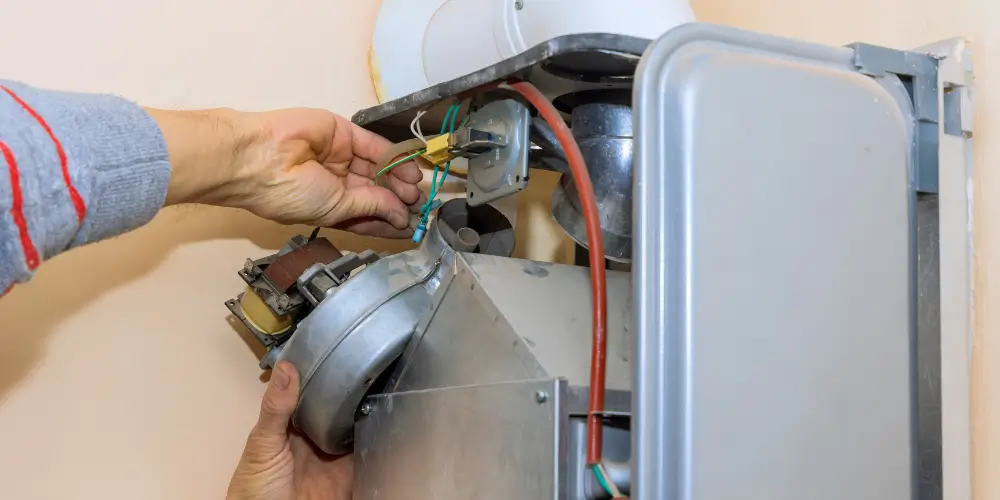
More appliances mean more time on-site: extra testing, visual inspections, flue checks, and paperwork. This extended labour, rather than parts or materials, usually drives the price difference. For people who value flexibility and cost control, understanding how many appliances are included in a quote helps them decide which systems to keep, upgrade, or decommission.
How to Find a Fair Price
A fair price for a gas safety check is best identified by comparing clear, itemised quotes from multiple Gas Safe registered engineers. By requesting written breakdowns, a homeowner can see how much is charged for labour, call-out, certificates and any extra appliances. This transparency helps them reject vague “from” prices that often rise on the day.
They remain in control by confirming what is included: the number of appliances, flue checks and whether a Landlord Gas Safety Record is provided. Checking reviews and Gas Safe registration numbers then protects them from cut‑price but unsafe operators.
To secure both value and independence, a person might:
- Compare at least three like‑for‑like quotes taken within the same week.
- Ask each engineer to explain any price difference in plain terms.
- Prefer fixed‑fee quotes over open‑ended hourly rates that can quietly escalate.
Frequently Asked Questions
Can I Fail a Gas Safety Check and What Happens if I Do?
Yes, a person can fail a gas safety check. The engineer records defects, may label appliances “unsafe,” can cap gas supplies, and issues a report. Legal duties then require timely repairs before continued use or renting.
How Long Does a Gas Safety Inspection Usually Take to Complete?
A typical gas safety inspection usually takes 30–60 minutes. Duration depends on property size, number of gas appliances, and access. Larger homes or complex systems can extend the visit, briefly limiting freedom to use gas during checks.
How Often Should Gas Safety Checks Be Carried Out in Rented and Owned Homes?
Gas safety checks in rented homes must be carried out at least every 12 months; in owner-occupied homes, there’s no legal frequency, but annual checks are strongly advised for anyone valuing independence, security, and control over their environment.
Do I Need a Gas Safety Check if I’M Selling or Buying a Property?
Yes, a check isn’t strictly required by law, but buyers and lenders often expect a recent gas safety record. It protects both sides’ freedom to walk away, renegotiate, or proceed confidently with clear evidence of safety.
What Should I Do to Prepare My Home Before the Engineer Arrives?
They should have clear access to all gas appliances, meters and vents, open cupboards, secure pets, gather manuals or previous certificates, guarantee someone adult is present, and avoid using gas appliances shortly before arrival to keep everything cool and accessible.
Conclusion
A gas safety check in the UK is a worthwhile investment in both safety and legal compliance. While prices vary by location, property size and number of appliances, understanding average costs and typical inclusions helps households and landlords budget realistically. Comparing quotes, checking engineer credentials and clarifying what’s covered guarantees fair pricing. Ultimately, regular checks and valid gas safety certificates provide peace of mind, protecting occupants, property and finances from potentially serious gas-related risks.